 May 13, 2025
Disclosure: This post may contain affiliate links which provide us a small commission when used for purchase. Please read my disclosure policy for more information. I am grateful for your support!
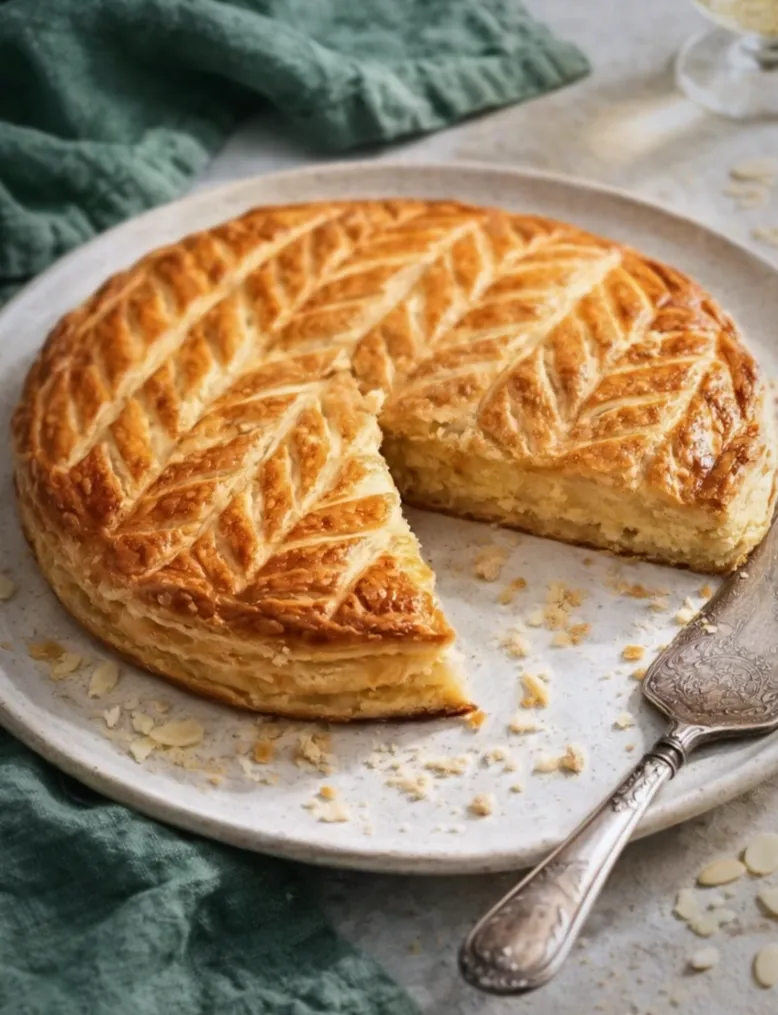
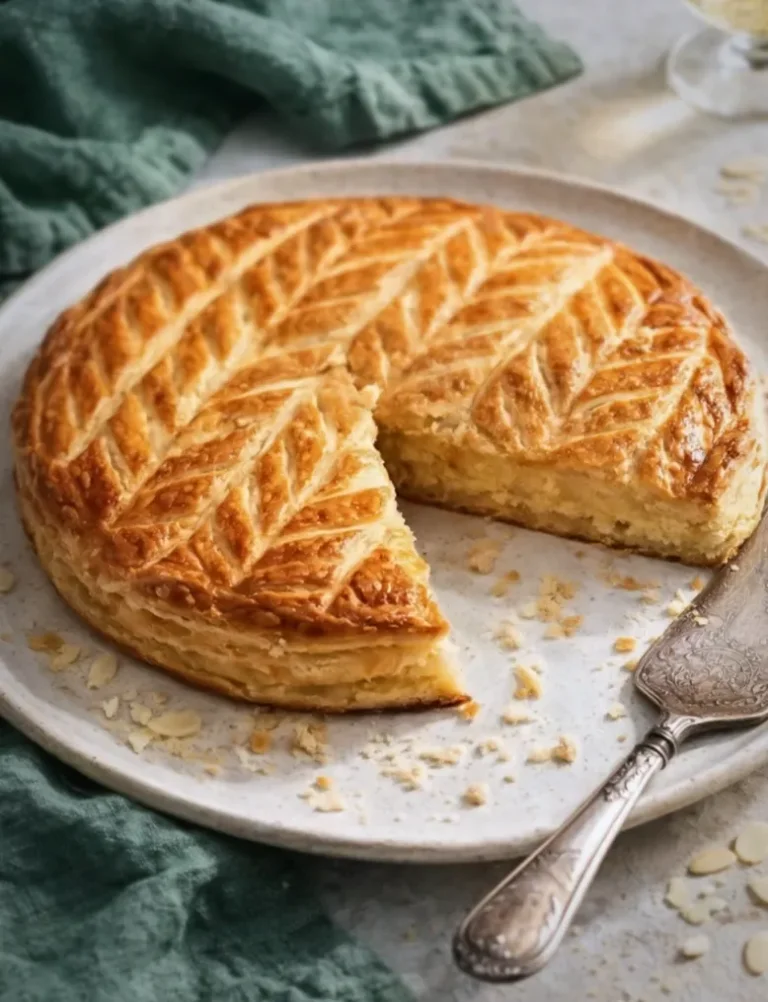
Who in France doesn’t look forward to the galette des rois? Everyone goes galette-mad in January, me included! Every bakery, from the smallest village to the grandest Parisian pâtisserie, has stacks of them. Supermarkets join in too, with everything from mass-produced versions to decent own-brand ones. Although nothing tastes as good as one coming out of your own oven. I can’t think of a single January from my childhood where this didn’t appear on the table.
Table of Contents
Where galette des rois comes from
In France we celebrate Epiphany on 6 January with this galette des rois filled with delicious frangipane and a so called fève. To find the fève is to be king or queen and have a lucky year. Children and grown adults get equally excited about finding that tiny ceramic figurine. That’s the beauty of it: simple, playful, and it brings people together in a way that feels very French to me.
The tradition itself goes back a very long way, well before Christianity, and there’s more to it than fits here. I’ve written the whole story in Epiphany and the galette des rois if you’d like to explore the origins and learn about the fève collectors in France. Yup, you’ve read that right.
Ingredients
- All-butter puff pastry — All-butter gives both the flavour and the shatter.
- Ground almonds — the body of the frangipane. Fine grinding gives a smoother, less grainy filling.
- Butter — Quality French butter softened and creamed with the sugar.
- Caster sugar — creamed with the butter to build air, which keeps the filling light rather than dense.
- Eggs — the binder. Enough to hold the frangipane together without making it heavy.
- Plain flour — a small amount, which stops the filling splitting as it bakes.
- Rum or almond extract (optional) — both traditional in frangipane, and either deepens the almond flavour.
- Fève — a dried bean traditionally, a ceramic figurine now. And a paper crown, which you should make yourself!
How to make galette des rois
1. Make the frangipane
Cream the softened butter and sugar until pale and fluffy, then beat in the eggs one at a time. Stir in the ground almonds, flour, and the rum or almond extract if using, and mix until smooth. Don’t overwhip it. Too much air and it puffs up dramatically in the oven and then sinks, leaving a gap under the pastry.
2. Roll the pastry and keep it cold
Roll the two sheets into circles about 24–26cm and lay one on your lined tray. Everything from here needs to stay cold. Warm pastry loses its layers and bakes dense and heavy instead of shattering, so work quickly and don’t leave it sitting out on a warm worktop.
3. Fill, and put the fève near the edge
Spread the frangipane over the base, leaving a 2cm border clear all round. Press the fève gently into the filling, and put it near the edge rather than the middle, or it ends up in the very first slice cut and rather spoils the game.
4. Seal and scallop the edge
Brush the border with a little water, lay the second circle over the top, and press the edges firmly to seal. Then scallop the edge with the back of a knife, pressing inwards at intervals all the way round. This isn’t only decorative, it locks the layers together so the filling doesn’t escape.
5. Glaze the top only, then score the rosace
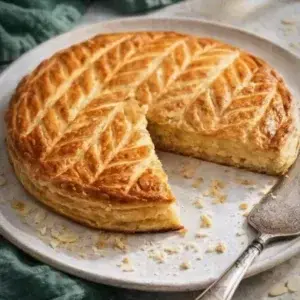
Brush the top with beaten egg yolk, keeping it off the sides, because glaze running down the cut edge glues the layers shut and stops them rising. Then score the classic rosace: knife tip at the centre, draw a gentle curving arc out to the edge, and repeat evenly around, eight to twelve petals. Score the surface only, never through.
6. Chill it properly, then bake
Thirty to sixty minutes in the fridge, which sets the butter back into the layers and is what gives you the rise. Then 175°C for 40–45 minutes, until deeply golden and well puffed. A brush of sugar syrup the moment it comes out gives it that pâtisserie shine.
Tools for this recipe
Check out my favorite kitchen essentials and cookware!
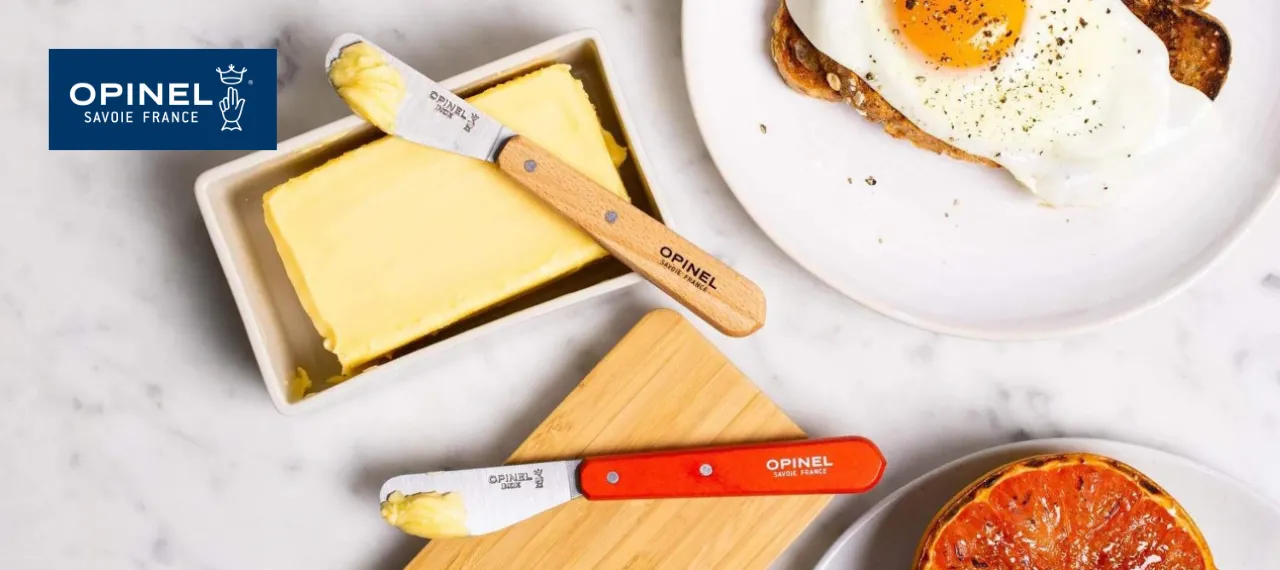
- Use a perforated baking mat which stops sticking without extra fat and lets the base cook evenly and with a perfect release.
- Use a pastry brush to glaze the top cleanly without letting egg run down the sides.
- Use a sharp knife with a fine point to score the rosace, since a blunt blade drags and tears the surface instead of cutting cleanly.
Tips for success
- Chill the assembled galette: thirty minutes makes the difference between a galette that rises tall and one that sits flat and greasy.
- Keep the egg glaze off the edges: the most common reason a homemade galette doesn’t rise properly. Egg on the cut edge seals the layers together like glue.
- Score the surface only, about a millimetre deep: cut through and the frangipane bubbles out and burns on top. If in doubt, go shallower.
- Prick one or two small holes in the top before baking: it lets steam escape so the galette rises evenly rather than ballooning in one spot.
- Put the fève near the edge, and remember roughly where: not so you can cheat, but so nobody bites down on ceramic unexpectedly and warn your guests there’s a fève in the first place.
How to store it
- At room temperature: Best on the day it’s baked, when the pastry is at its crispiest. It’ll keep a day under a cloth, though it softens.
- In the fridge: Keeps 2 days covered. The pastry loses its shatter, but ten minutes in a moderate oven brings back a good deal of it. Don’t microwave it, which turns puff pastry to leather.
- In the freezer: Freeze it assembled and unbaked, which works very well. Wrap it well, freeze flat, and bake straight from frozen with about ten extra minutes. Baked galette freezes less happily, since the frangipane weeps slightly on thawing.
More dessert recipes to try
Variations
- Chocolate frangipane: fold 50g of melted dark chocolate into the almond cream, or replace a spoonful of the ground almonds with cocoa powder.
- Pear or apple: thin slices of poached pear or lightly cooked apple laid over the frangipane before sealing. The fruit cuts the richness and it’s a bakery variation.
- With crème pâtissière: mixing frangipane with a little pastry cream gives you a frangipane à la parisienne, softer and less dense than pure almond cream.
- Less sugar: the sugar creams with the butter to build the frangipane’s texture, so it’s doing structural work, but there’s room. Drop from 120g to around 90g and you’ll still get a good filling, slightly denser and more almondy. Below that it turns pasty, so if you want it less sweet, skip the sugar syrup finish instead.
FAQ
Why is there a bean in the galette des rois?
It goes back to the Roman Saturnalia, where a bean was hidden in a round cake and whoever found it was crowned king for a day. The Church kept the custom and attached it to Epiphany.
What’s the difference between the northern and southern king cake?
Northern France eats this galette, puff pastry filled with frangipane. Provence and Languedoc eat a brioche crown studded with candied fruit and scented with orange flower water.
Why didn’t my galette rise?
Usually egg glaze ran down the cut edges and sealed them, or the pastry was too warm going into the oven. Glaze the top only, and chill the assembled galette for at least 30 minutes first.
Why is my frangipane dry or grainy?
Either the butter ratio was off or it overbaked. It should be rich and moist inside, so check at 40 minutes and don’t be tempted to leave it longer for extra colour.


 Prep Time 30 minutes
  Cook Time 40 minutes
  Total Time 1 hour 40 minutes
  Servings 8
Description
Ingredients
For the frangipane (almond cream)
- 120 gr unsalted butter softened
- 120 gr caster sugar
- 2 egg
- 120 gr ground almonds
- 15 gr plain flour
- 2 drops almond extract optional
For the pastry
- 2 sheets all-butter puff pastry round, about 250g each
- 1 whole dry bean or a porcelain “fève”
For the glaze
- 1 egg yolk beaten with a splash of water
- 1 tbsp sugar syrup optional, for shine
Equipment



Instructions
1. Make the frangipane
- Cream the softened butter and sugar until pale and fluffy. Beat in the eggs one at a time. Stir in the ground almonds, flour, and the rum and almond extract if using. Mix until smooth, without overwhipping.
2. Prepare the pastry
- Roll out the puff pastry into two circles, about 24–26cm in diameter. Place one on a baking tray lined with a baking mat or paper.
3. Assemble
- Spread the frangipane evenly over the pastry, leaving a 2cm border all round. Press the fève into the filling near the edge, so it doesn't end up in the first slice. Brush the border with a little water. Lay the second circle on top, press the edges to seal, then scallop the edge with the back of a knife.
4. Decorate and chill
- Brush the top with beaten egg yolk, keeping it off the sides or the pastry won't rise properly. Score the classic rosace: place the knife tip at the centre and draw a gentle curving arc out to the edge, repeating evenly all round for 8 to 12 petals. Score the surface only, don't cut through. Prick one or two small holes for steam. Chill for 30–60 minutes.
5. Bake
- Preheat the oven to 175°C (160°C fan). Bake for 40–45 minutes, until puffed and deeply golden.
6. Finish and serve
- For a pâtisserie shine, brush the hot galette with a little sugar syrup as it comes out of the oven. Cool slightly and serve just warm or at room temperature. Don't forget the crown.
Notes
- Use all-butter puff pastry for the best flavour and rise. Avoid anything labelled vegetable fat or margarine, that is not the French way.
- Chilling the assembled galette before baking helps the pastry puff and hold its shape.
- Leftovers keep a day or two, but the pastry is at its crispiest on the day.
Share your feedback and spread the love!
If you try this recipe, I’d love to hear how it turns out! Leave a ★★★★★ rating and your thoughts in the comments, it helps fellow French foodies discover this recipe too. Snap a photo and tag @obviously.french on Instagram. Come talk about it in our Facebook group. And don’t forget to save this recipe to Pinterest so you’ll always have it handy for your next French-inspired meal!