 February 24, 2026
Disclosure: This post may contain affiliate links which provide us a small commission when used for purchase. Please read my disclosure policy for more information. I am grateful for your support!

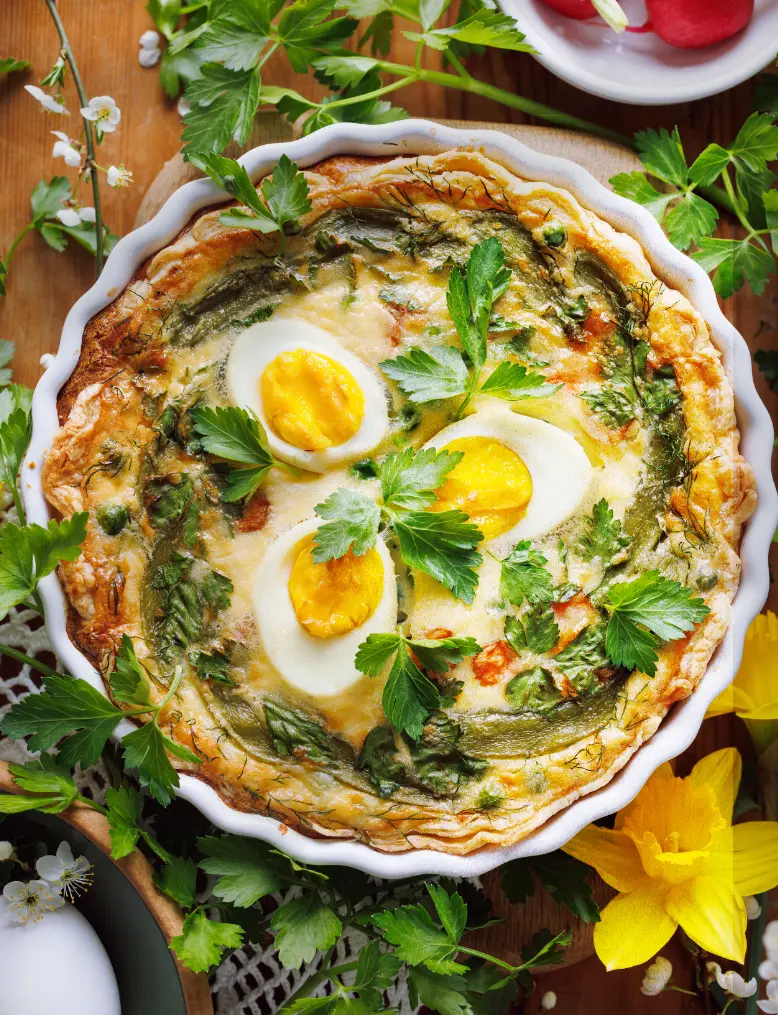
Sometimes you just fancy a good omelette for brunch or lunch, and this asparagus one is my favourite way to welcome in spring. I know plenty of people like their omelette fully fried and crisp, but I like it the Escoffier French way, pale, fluffy and soft, which goes perfectly with the fresh goat’s cheese and earthy asparagus. It makes sense, given I like my boiled eggs medium and jammy too.
If you’ve never had it this way, do try it at least once, just to feel the difference in texture. I think it’ll win you over?
Table of Contents
Where asparagus omelette comes from
Asparagus and eggs have a long history together in French cooking. The asparagus omelette turns up in French recipe collections from the 18th century onwards, and it’s an obvious match. The soft goat’s cheese is a more modern touch, but a very French one, its tangy creaminess softens into the warm eggs and gives the omelette a richness a harder cheese just wouldn’t achieve.
The omelette itself is a genuine test of a cook. Escoffier considered it one of the truest measures of skill, and the logic is simple: no sauce nor garnish to hide behind, just eggs, butter and heat. A proper French omelette is beaten well but not to a froth, cooked in under two minutes, and comes out pale, soft, barely set in the middle, and folded, with no colour at all. In France, a browned omelette is an overcooked one!
Ingredients
- Eggs – Fresh and good, since they’re the whole dish. Room temperature beat and cook best. Three eggs per omelette.
- Green asparagus – In season in spring, grassy and with a bit of bite. Snap off the woody ends and cook it just until tender, so it keeps its character in the soft eggs.
- Soft goat’s cheese (chèvre frais) – The soft, fresh, crumbly kind, not aged rind-on chèvre, which behaves completely differently. It softens into the eggs and turns creamy and tangy.
- Butter – For cooking both the asparagus and the omelette. It’s what gives that classic French flavour and helps the eggs not colour.
- Rocket – Dressed simply, on the side, its pepperiness a fresh contrast to the rich eggs.
- Lemon and olive oil – To dress the rocket, and to keep everything bright.
How to make asparagus omelette
1. Sauté the asparagus
Cut the asparagus into short lengths and sauté in a little butter until just tender with a bit of bite, then season and set aside. You want it cooked but still lively, since it’ll warm through again in the omelette. Don’t cook it to mush, or it disappears into the eggs.
2. Cook the omelette
Beat three eggs with a little salt (a splash of cold water or crème fraîche makes them lighter). Get your pan properly hot, add the butter, and the moment it stops foaming, pour in the eggs. Now work quickly: stir with a spatula while shaking the pan, pulling the setting egg from the edges to the middle, for 30 to 40 seconds, until it’s mostly set but still glossy and a touch wet on top.
Scatter over half the asparagus and half the goat’s cheese, let it sit for a few seconds to set the base (without colouring, if you’re being proper about it), then fold and slide onto a warm plate. Repeat for the second. Serve at once, with the dressed rocket alongside.

Tools for this recipe
Check out my favorite kitchen essentials and cookware!
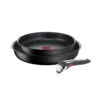
- Use a good 20 to 22cm non-stick pan or carbon steel pan so the eggs release cleanly and you can fold without a fight.
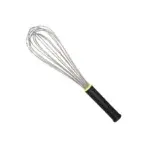
- Use a whisk or fork to beat the eggs well but not to a froth.
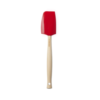
- Use a flexible spatula to stir, fold and slide the omelette out.
Tips for success
- Don’t brown the omelette (unless you want to obviously): by French rules, the moment you see colour it’s overcooked, so use high heat for speed, not for colour, and pull it while still glossy.
- Have everything ready first: the omelette cooks in under two minutes, so the asparagus, cheese, plate and spatula all need to be to hand before the eggs go in. There’s no pausing once you start.
- Get the pan properly hot, then add the butter: pour the eggs the instant the butter stops foaming, not before, not after. That timing is what gives you a tender, quick-set omelette rather than a rubbery one.
- Cook each omelette separately: beat and cook three eggs at a time rather than a big batch. One omelette per person cooks fast and evenly; a giant one sets unevenly and never folds well.
- Use soft, fresh goat’s cheese: the crumbly goat’s cheese kind melts into the warm eggs and turns creamy. Aged, firm, rind-on one won’t soften the same way.
- Warm your plates: a French omelette cools and firms fast, so serve it onto a warm plate to keep it soft and yielding.
How to store it
- An omelette is really a cook-and-eat-now dish, it’s at its best the moment it slides off the pan, soft and warm, and it doesn’t keep or reheat well (reheated egg goes rubbery). So this is one to make fresh and eat straight away, which happily takes under ten minutes.
- If you do have a cooked one left over, keep it covered in the fridge for a day and eat it cold, tucked into a sandwich or sliced into a salad, rather than trying to reheat it. Cold French omelette is very nice that way.
- The one thing you can prep ahead is the asparagus: sauté it earlier in the day and keep it in the fridge, then it’s just the two-minute omelette to do when you want to eat.
Variations
- Add fresh herbs: chives, tarragon, chervil or parsley beaten through the eggs makes an omelette aux fines herbes with asparagus. Very French.
- Add peas or spinach: a handful of peas or wilted spinach with the asparagus, for more spring green.
- Add smoked salmon or trout: a little flaked hot-smoked trout or smoked salmon with the asparagus, for a more substantial brunch.
FAQ
How do you make a French omelette soft, not browned?
Use high heat but work fast: get the pan hot, add butter, and pour the eggs the moment it stops foaming. Stir constantly for 30 to 40 seconds until mostly set but still glossy, then fold and slide out immediately. The speed sets the eggs before they colour. By French tradition, any browning means it’s overcooked.
When is asparagus in season?
Green asparagus is at its best in spring, roughly April to June in France. That’s when it’s sweetest and most tender. Out of season it’s still fine in this omelette, but in-season asparagus has far more flavour.
What kind of goat’s cheese should I use?
Soft, fresh goat’s cheese (chèvre frais), the crumbly kind that melts into the warm eggs and turns creamy and tangy. Avoid aged, firm, rind-on chèvre, which behaves completely differently and won’t soften the same way.
Why is my omelette rubbery?
Usually it was cooked too long or too hot for too long. A French omelette should cook in under two minutes and come off the heat while the middle is still soft and glossy. It keeps cooking a little from residual heat, so fold and serve it while it looks slightly underdone.



 Prep Time 10 minutes
  Cook Time 10 minutes
  Total Time 20 minutes
  Servings 2
Description
Ingredients
For the asparagus filling
- 200 gr green asparagus woody ends snapped off, cut into 3–4cm pieces
- 15 gr unsalted butter
- salt and black pepper
For each omelette (makes 2)
- 3 eggs
- 1 gr unsalted butter
- 1 tbsp cold water
- salt and black pepper
To finish
- 80 gr goat cheese
- 1 handful rocket
- 1 drizzle olive oil
- 1 squeeze lemon juice
Equipment
Instructions
1. Cook the asparagus
- Melt the butter in a small frying pan over medium-high heat. Add the asparagus and cook for 3 to 4 minutes, tossing, until just tender with a little colour. Season and set aside, keeping warm. This divides between two omelettes.
2. Beat the eggs
- Crack 3 eggs into a bowl. Add 1 tbsp cold water, salt and pepper. Beat well until combined and slightly frothy, but don't over-aerate. Do this fresh for each omelette, not all six eggs at once.
3. Cook the omelette
- Heat the pan over high heat until properly hot. Add the butter and let it foam. The moment the foam subsides, pour in the eggs. Stir immediately with a spatula in quick circles, pulling set egg from the edges to the centre while shaking the pan, for 30 to 40 seconds, until about 80% set but still glossy on top.
4. Fill and fold
- Scatter half the asparagus and half the crumbled goat's cheese over one half. Let it sit 10 seconds to set the base without colouring. Tilt the pan and fold the empty half over the filling. Slide onto a warm plate.
5. Repeat
- Wipe the pan, return to the heat, and repeat with the remaining eggs and filling.
6. Dress and serve
- Toss the rocket with olive oil, lemon and a pinch of salt. Serve alongside both omelettes, immediately.
Notes
- Pan size is not optional. A 20-22cm non-stick pan for a 3-egg omelette is the standard for a reason. Too big and the eggs spread too thin and set too quickly. Too small and you get a thick, under-set slab. If yours is bigger, use 4 eggs.
- Don’t brown the omelette. This is the most important rule in French omelette-making. The moment you see colour on the outside, it’s overcooked by French standards. High heat for speed, not for colour.
- The cold water trick is worth doing. A tablespoon of cold water beaten into the eggs creates a slightly lighter, more tender result. Some French cooks use a splash of crème fraîche instead. Both work.
- Goat cheese is what you want here, the soft, fresh kind that crumbles easily and melts into the eggs. Aged, rind-on chèvre is a different thing entirely and won’t work the same way.
- Asparagus season runs April to June in France. Outside those months, this recipe is still worth making, but it’s best when asparagus is actually in season and tastes like something.
- Serve on warm plates. A French omelette cools and firms up quickly. Cold plates are the enemy.
Share your feedback and spread the love!
If you try this recipe, I’d love to hear how it turns out! Leave a ★★★★★ rating and your thoughts in the comments, it helps fellow French foodies discover this recipe too. Snap a photo and tag @obviously.french on Instagram. Come talk about it in our Facebook group. And don’t forget to save this recipe to Pinterest so you’ll always have it handy for your next French-inspired meal!