 October 8, 2025
Disclosure: This post may contain affiliate links which provide us a small commission when used for purchase. Please read my disclosure policy for more information. I am grateful for your support!
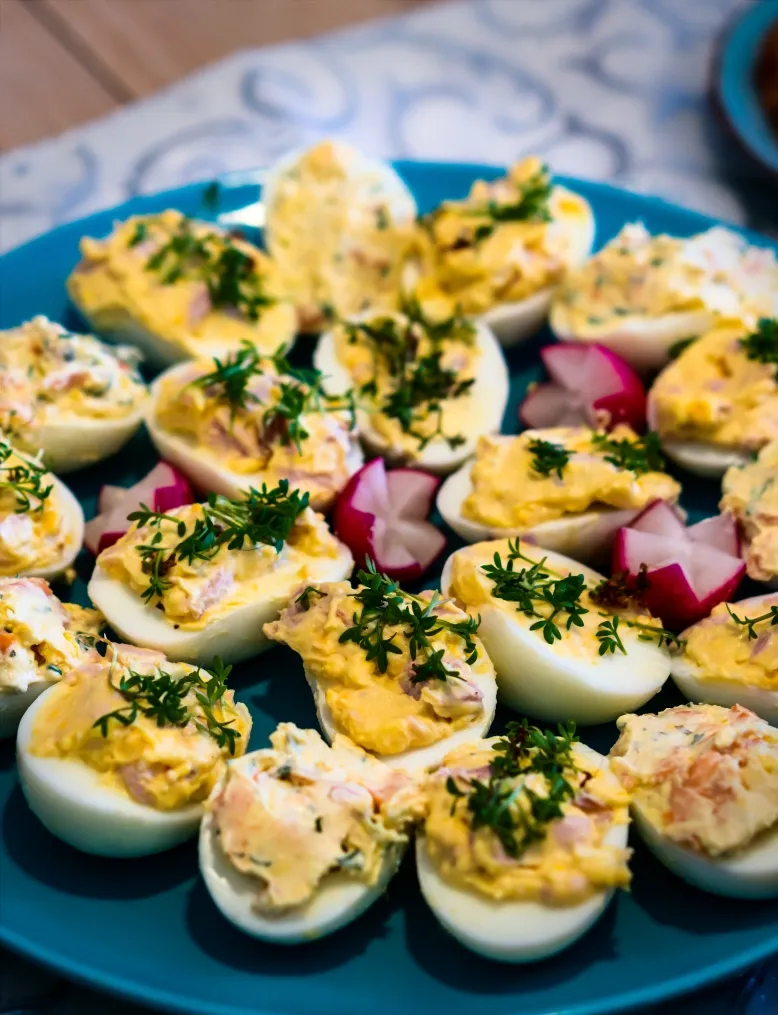
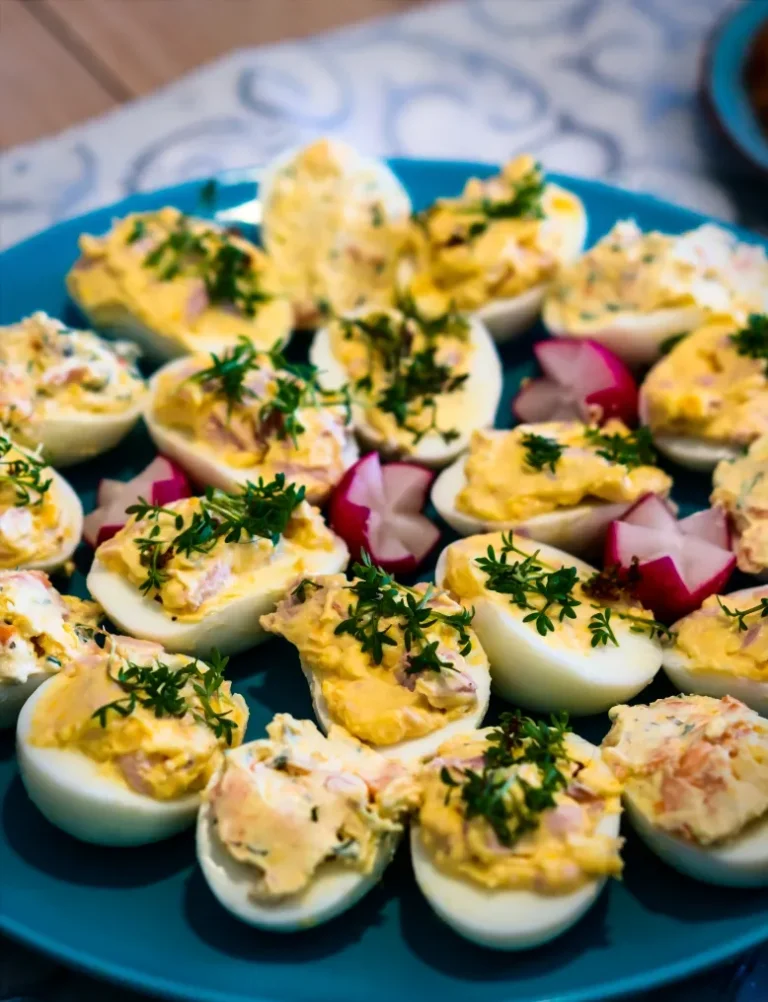
You can make regular deviled eggs, of course, but why would you when you can make a new elegant French version named after a flower? The mimosa eggs filling is a bit lighter, and I love the subtle taste of shallots running through it.
There’s a personal connection here too. Growing up in Nice, I used to eat candied mimosa flowers as a child, so the name has always meant something to me. Both regular deviled eggs and mimosa eggs are good, but this deviled eggs recipe gives you something new to do with something already familiar.
Table of Contents
Where mimosa eggs comes from
That name mimosa eggs first shows up in print on 9 July 1911, in L’Écho Nogentais, in a piece signed by a columnist calling herself Cousine Louise. It got reprinted across regional papers that August, so word travelled fast. Interestingly, that first version wasn’t quite what we make now. It had foie gras in the whites and a mayonnaise-béchamel sauce poured over the top. The cold, simple mayonnaise-and-yolk one we know today settled in around the 1920s.
The name difference is interesting. The English term “deviled eggs” comes from the paprika that was traditionally added, recalling the red colour associated with the devil. There is no paprika in the French version, no cayenne nor any other spicy seasoning. The French filling is smoother and more delicate, which suits the context of a spring apéritif table. It’s the same dish, but a completely different philosophy about what is important about it.
There is now even a World Mimosa Egg Championship, which takes place every year and rewards the best oeufs mimosa. Not many apéritif dishes can claim that!
Ingredients
- Eggs – Obviously. So buy good ones. You want yolks that go a proper bright yellow. Eight eggs gives you 16 halves, plenty for apéro.
- Mayonnaise – The base of the filling. Homemade gives an unbeatable richness, but a good shop-bought jar is perfectly fine. No shame in it.
- Dijon mustard – For a bit of sharpness and warmth under the cream. Proper Dijon, not the grainy stuff, for a smooth filling.
- White wine vinegar – A little acidity to stop the whole thing feeling heavy.
- Shallots – Very finely minced, for that gentle savoury hum. Mince them small, or they bully everything else.
- Parsley and chives – Fresh, finely chopped. Half goes in the filling, half on top. Fresh only, never dried, since the lift they give is half the point.
- Salt and black pepper – To season. Taste as you go.
How to make mimosa eggs
1. Boil the eggs properly
Put the eggs in a saucepan and cover with cold water. Bring to a rolling boil, then lower the heat and simmer for exactly 10 minutes. Transfer straight into cold water and cool completely before peeling. For the full method, see my guide on how long to boil eggs.
2. Halve and scoop
Cut each egg in half lengthways and pop the yolks into a bowl, setting the whites aside on your french deviled eggs platter. Set about a quarter of the yolks aside separately, because those are your mimosa “flowers” for the top. Don’t forget that bit, it’s easy to mash the lot on autopilot (I’ve done it once or twice!).
3. Make the filling
Mash the yolks well with a fork first, then work in the mayo, Dijon mustard, vinegar, shallots, most of the herbs, and salt and pepper. Work it until it’s properly smooth, with no lumps. Have a taste, it should be creamy and softly tangy, with the mustard there but not shouting. Adjust the seasoning now, while you still easily can.
4. Fill, dust and finish
Spoon or pipe the filling back into the whites, mounding it just above the rim. A piping bag makes this step a lot easier and neater. Then press your reserved yolks through a fine sieve over the top so they fall like fine yellow crumbs. This is the mimosa effect, and the sieve genuinely makes it feathery in a way crumbling with your fingers can’t match. Scatter the last of the herbs over, and you’re done.
Tools for this recipe
Check out my favorite kitchen essentials and cookware!
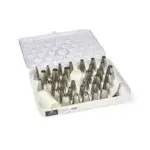
- Use a piping bag to effortlessly fill your mimosa eggs.
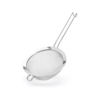
- I use my trusty, affordable fine sieve for this recipe.
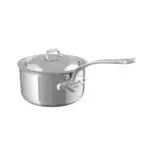
- I use my Tefal saucepans to boil the eggs perfectly.
Tips for success
- Don’t overcook the eggs: 9 min, then straight into cold water. The grey ring and that sulphur smell come from overcooking, and they’ll taint the filling. This is the single thing that separates good from grim.
- Peel them cold: fully cooled eggs peel far more cleanly than warm ones. Warm and impatient gives you pockmarked whites which don’t look great.
- Sieve the yolks, don’t crumble them: pressing the reserved yolks through a fine sieve gives a much finer, more feathery “mimosa” than crumbling with your fingers. Worth the extra minute.
- Mince the shallot very small: big shards of raw shallot overpower a delicate filling. Get it as fine as you can.
- Garnish at the last moment: the mimosa dusting loses its fluffy, feathery look as it sits. Fill and chill ahead if you like, but add the grated yolk and herbs just before serving.
How to store it
- These are best eaten cold, straight from the fridge, which is handy because they want a bit of chilling anyway. The filling tastes better properly cold than at room temperature.
- You can fill the whites and keep them covered in the fridge for up to a couple of hours ahead. Any longer and the whites start to weep a little and the filling firms up too much. So a couple of hours is the sweet spot.
- I wouldn’t keep them beyond a day, and I wouldn’t freeze them. Boiled egg white turns rubbery and weeping once frozen. This is a same-day sort of dish, which is no hardship, they never last long anyway!
What to serve with mimosa eggs
Cornichons on the side are a really good shout. That sharp little vinegar bite cuts through the richness of the mayo exactly right, and gives you something to alternate between mouthfuls. A few capers do the same job if you’d rather have those.
For wine, the Guide Hachette des vins points to young dry whites as the natural match, calling them a refreshing counterpoint to the richness of the mayonnaise. A Muscadet, a Sancerre, or a crisp Sauvignon Blanc all work brilliantly. A Crémant de Loire or Crémant d’Alsace is lovely too, since the bubbles and acidity lift that rich filling. If you fancy a rosé, keep it dry and pale. Nothing sweet or too fruity, or it’ll fight the mustard and herbs.
More egg recipes to try
Variations
- Add cornichon or capers: a little minced cornichon or a few chopped capers stirred through the filling gives it a sharper bite and it cuts the richness nicely.
- Swap in chervil or tarragon: chives and parsley are the usual herbs, but chervil gives a delicate aniseed note that’s very French, and a little tarragon does something similar.
- A touch of curry: some French cooks add the faintest pinch of curry powder to the yolk mix. It sounds odd, but it gives a gentle warmth without turning it into anything spicy. Go light.
- Anchovy or tinned tuna: for a more substantial, southern take, mash a little anchovy or some tinned tuna into the filling. This nudges it towards the kind of stuffed egg you’d get on an apéro table in the South of France.
- Crème fraîche instead of some mayo: Swap a spoonful of the mayonnaise for crème fraîche and the filling goes lighter and a bit tangier. Good if the full mayo version feels too rich for you.
FAQ
What’s the difference between mimosa eggs and deviled eggs?
Mostly the seasoning and the look. Deviled eggs get paprika or cayenne, whose red colour gives them their “deviled” name, and a punchier filling. Mimosa eggs skip the spice for a smoother, more delicate filling, and they’re finished with grated yolk on top to look like mimosa flowers. Same basic dish, different philosophy.
Why did my egg yolks go grey?
Overcooking. A grey-green ring around the yolk, and that faint sulphur smell, comes from boiling too long. Cook them for 9 minutes, no more, then plunge them straight into cold water to stop the cooking. You want the yolk fully set but still bright yellow.
Can I make mimosa eggs ahead of time?
You can partly. Fill the whites and keep them covered in the fridge for up to a couple of hours. But add the grated yolk garnish and herbs only just before serving, because the feathery mimosa dusting goes flat if it sits. And they’re best eaten the same day.
What’s the best way to get the mimosa effect?
Press the reserved cooked yolks through a fine sieve over the filled eggs. It gives a much finer, fluffier dusting than crumbling with your fingers, and it’s what makes them look like mimosa flowers. Takes an extra minute, I promise you it’s worth it.


 Prep Time 15 minutes
  Cook Time 10 minutes
  Total Time 25 minutes
  Servings 4
Description
Ingredients
- 8 eggs
- 6 tbsp mayonnaise homemade or good quality
- 4 tsp Dijon mustard Dijon
- 2 tsp white wine vinegar
- 2 shallot very finely minced
- 1 handful parsley finely chopped
- 1 handful chives finely chopped
- salt and black pepper
Equipment

Instructions
1. Cook the eggs
- Put the eggs in a saucepan and cover with cold water. Bring to a rolling boil, then lower the heat and simmer for exactly 9 minutes. Transfer straight into cold water and cool completely before peeling.
2. Prepare the eggs
- Peel the eggs gently. Cut each in half lengthways. Scoop the yolks into a mixing bowl and set the whites on your platter.
3. Make the filling
- Reserve about a quarter of the yolks for the garnish. Mash the rest well with a fork, then mix in the mayonnaise, Dijon, vinegar, shallots, most of the parsley and chives, and salt and pepper. Work until smooth, with no lumps.
4. Fill the whites
- Spoon or pipe the filling back into the white halves, mounding it slightly above the rim.
5. Mimosa finish
- Press the reserved yolks through a fine sieve over the filled eggs until they're dusted like mimosa flowers. Scatter over the remaining herbs.
6. Serve
- Chill for 30 minutes if you can. Serve cold, as a starter or for apéro.
Notes
- Sieve the reserved yolks for a finer, more feathery mimosa effect than crumbling. Worth the extra minute.
- Add a little minced cornichon or capers to the filling for a punchier, bistro-style result. Homemade mayonnaise gives unbeatable richness, but good shop-bought is perfectly fine.
- Make ahead: fill and refrigerate up to 2 hours in advance. Add the mimosa garnish just before serving so it stays fluffy.
Share your feedback and spread the love!
If you try this recipe, I’d love to hear how it turns out! Leave a ★★★★★ rating and your thoughts in the comments, it helps fellow French foodies discover this recipe too. Snap a photo and tag @obviously.french on Instagram. Come talk about it in our Facebook group. And don’t forget to save this recipe to Pinterest so you’ll always have it handy for your next French-inspired meal!