 December 4, 2025
Disclosure: This post may contain affiliate links which provide us a small commission when used for purchase. Please read my disclosure policy for more information. I am grateful for your support!
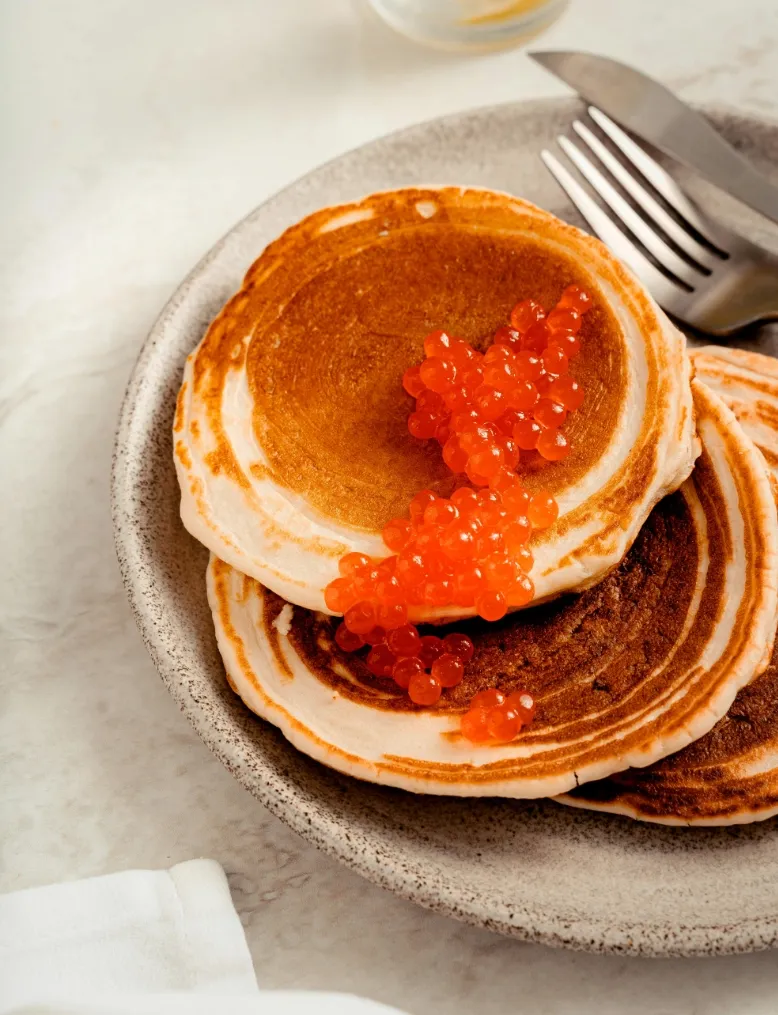
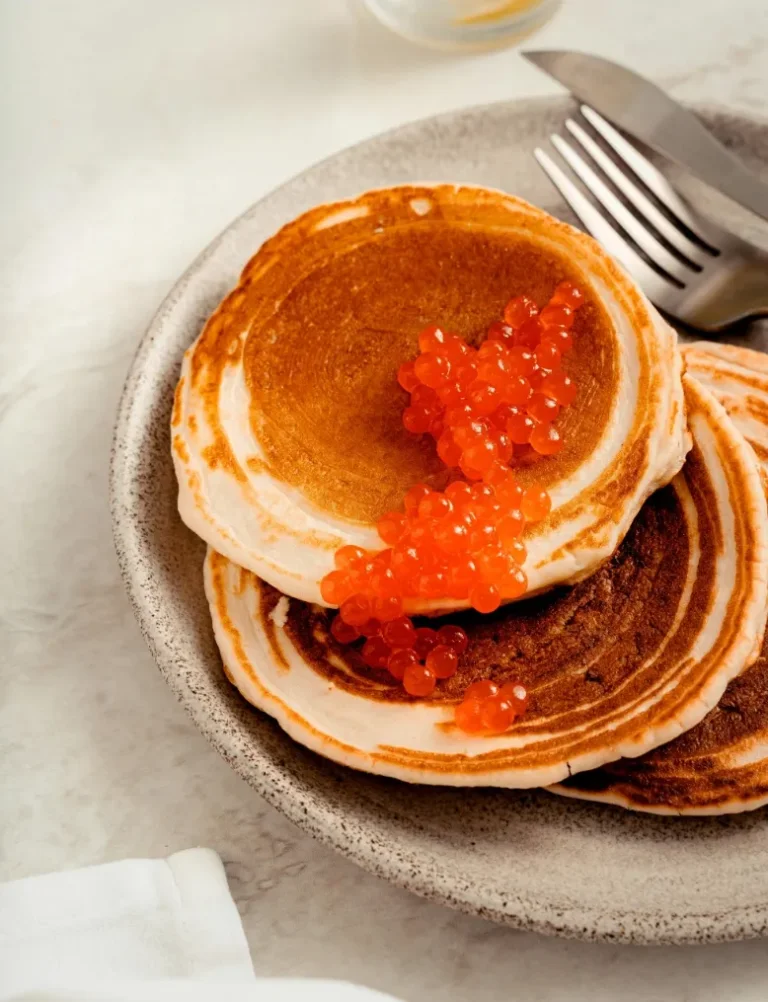
When Christmas came, my parents always had blinis on the table alongside all the festive toppings. The supermarkets are chock-full of them over the holidays, so I suppose it was just the habitual thing to do, and nobody really thought about it. I always assumed they were French, since I’ve eaten them since I was a kid, but they’re actually Russian!
They’ve been so thoroughly adopted here that I think this recipe belongs here. And now that I’m a grown-up who can cook, it means fresher, fluffier homemade blinis instead of the supermarket ones. I really recommend making this blinis recipe for the holidays!
Table of Contents
Where blinis comes from
Blinis have been part of Russian cooking for centuries. They go back at least to the 9th century, tied to Maslenitsa, Butter Week, the last big celebration before Lent. Their round shape stood in for the sun, and eating them was a way of welcoming back warmth and light after a long winter. They were made with buckwheat flour, the main grain in northern Russia, and people ate them in serious quantities over that week before the fast.
Originally a blini was very simple: buckwheat flour, water or milk, and a natural leaven from fermentation. Over time yeast replaced the old ferment, eggs were added for richness, and the recipe slowly shifted into something closer to what we recognise today.
How blinis arrived in French cooking
The French picked up blinis in the 19th century, through contact with Russia and the waves of Russian aristocrats and intellectuals who passed through Paris. French chefs started pairing these Russian pancakes with caviar and crème fraîche, turning a humble pre-Lent food into one of the most luxurious canapés on a French table. That pairing stuck, and blinis settled so firmly into French apéro and holiday culture that they now sit happily next to dishes that have been French for hundreds of years.
The tiny blinis you see at French parties, usually about 5cm across, are a French adaptation. Traditional Russian blinis are much larger, closer to a regular pancake. The miniature size is purely practical, for standing around with a glass in one hand and something you can eat in one or two bites in the other.
Ingredients
- Plain flour and buckwheat flour – Half and half. The buckwheat brings the earthy, nutty flavour; the plain flour keeps them soft and fluffy. Don’t go all buckwheat unless you love that intensity.
- Instant dry yeast – What gives blinis their slight tang and their rise. It’s what makes them blinis rather than little pancakes.
- Eggs – Separated. The yolks go into the batter for richness, the whites are whisked and folded in at the end for lightness.
- Whole milk – Warmed gently with the crème fraîche to activate the yeast. Warm, never hot.
- Crème fraîche – In the batter for a subtle richness and tang.
- Butter – For cooking, brushed on thinly before each blini.
- Salt – To season the batter.
How to make blinis
1. Make the batter
Sift both flours and the salt together, stir in the yeast, then whisk in the egg yolks and the gently warmed milk-and-crème-fraîche mixture until you have a thick, smooth batter. The one thing to watch is the temperature of the milk, warm to the touch, never hot, or you’ll kill the yeast before it’s started.
2. First rise
Cover the bowl and leave it somewhere warm for about an hour, until it’s spongy and bubbly. That’s the yeast doing its work, and it’s where the flavour comes from, so don’t rush it.
3. Fold in the egg whites
Whisk the egg whites to stiff peaks and fold them gently into the batter, keeping as much air in as you can. Cover and leave for another hour. More waiting, but it’s worth it.
4. Cook
Brush a thin layer of butter onto a medium-hot pan before each blini, and cook them in small spoonfuls, about 40 seconds on the first side, 30 on the second, until golden and puffed. Onto a wire rack, and repeat, buttering the pan each time.
Tools for this recipe
Check out my favorite kitchen essentials and cookware!
- Use a wide mixing bowl with a non-slip base and pour spout, so you can fold the egg whites gently without the bowl sliding or the batter sloshing.
- Use a whisk to bring the batter together smoothly and to whip the egg whites to stiff peaks.
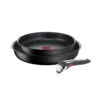
- Use a good frying pan that holds an even, steady heat for small, evenly-browned blinis.
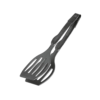
- Use a double spatula to flip the little blinis cleanly without tearing them.
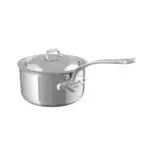
- Use a small saucepan to warm the milk and crème fraîche gently.
Tips for success
- Keep the milk warm, never hot: warm to the touch is what wakes the yeast up; too hot kills it, and then the batter won’t rise.
- Don’t skip the yeast: you could use baking powder, but you’ll lose the slightly tangy, fermented flavour that makes proper blinis special. The yeast is what sets them apart from a plain pancake.
- Fold the egg whites gently: whisk them to stiff peaks, then fold, don’t stir, keeping as much air in as possible. This is what makes them light and fluffy rather than dense.
- Use the buckwheat, but not all buckwheat: the half-and-half mix gives you the earthy, nutty flavour while staying soft. 100% buckwheat is intense and can turn out heavy unless you’re really after that.
- Butter the pan thinly, every time: a thin brush of butter before each blini gives an even golden colour without them frying greasy. Keep the melted butter in a cup and brush with a pastry brush.
How to store it
- Blinis are brilliant for making ahead, which is exactly why they’re such a good party food. You can cook them earlier in the day, then just warm them through before serving, no last-minute cooking while guests are arriving.
- Once cooked and cooled, wrap them in foil parcels (about 6 per parcel) and keep them at room temperature for the day, or in the fridge for 2 to 3 days. When you’re ready, warm them in a low oven (140°C) for about 10 minutes and they’re as good as fresh.
- They freeze well too, and a stash in the freezer makes it very easy to put something special together at short notice. Layer them with baking paper, freeze in a container, and reheat from frozen in a low oven. Make a double batch and freeze half, you’ll be glad you did!
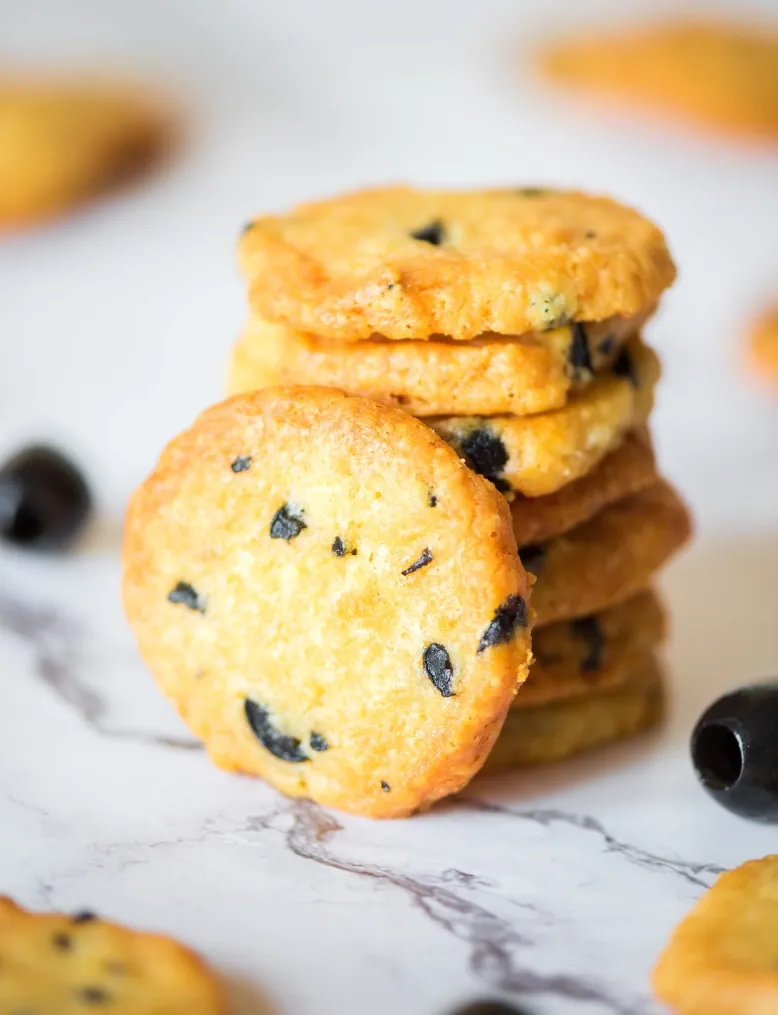
More appetizers recipes to try
→ Light-as-air Salmon appetizers
→ Rillettes de thon (Tuna Spread)
→ Savoury biscuits with black olives
Variations
- Add fresh herbs: a little chopped dill or chives folded into the batter, lovely with smoked salmon toppings.
- All-buckwheat (the traditional way: use 100% buckwheat flour for a more intense, earthy, properly Russian blini. Denser, but authentic.
- Make them bigger: cook them larger, closer to a full pancake, for the traditional Russian size, then top and fold or roll them.
- A sweet version: serve them the Maslenitsa way, with butter, honey or jam, for a sweet take rather than a savoury one.
- Sour cream instead of crème fraîche: in the batter and on top, for a slightly sharper, more traditionally Russian flavour.
FAQ
What is a blini?
A blini is a small, yeast-raised pancake originally from Russia, traditionally made with buckwheat flour. It’s soft and slightly tangy from the yeast, and in France it’s become a classic apéro base, topped with crème fraîche and smoked salmon or caviar. The tiny party-sized versions are a French adaptation.
Why are my blinis flat or dense?
Usually the yeast didn’t work (the milk was too hot and killed it, or the batter wasn’t left to rise long enough), or the egg whites were stirred in rather than folded, knocking the air out. Keep the milk just warm, give the batter its full rising time, and fold the whisked whites in gently.
Can I make blinis ahead of time?
Yes, they’re ideal for it. Cook them earlier in the day, wrap in foil parcels, and warm through in a low oven (140°C) for 10 minutes before serving. They also freeze well, layered with baking paper, and reheat from frozen in a low oven. Make a double batch and freeze half.
Do I have to use buckwheat flour?
It’s what gives blinis their traditional nutty, earthy flavour, so it’s worth using, and it’s in most supermarkets and health food shops. This recipe mixes it with plain flour to keep them soft. You can use all plain flour, but you’ll lose that characteristic taste.
Can I use baking powder instead of yeast?
You can, and it’s quicker, but you’ll lose the slightly tangy, fermented flavour that makes proper blinis special. The yeast (plus the folded egg whites) is what gives them their light, airy texture and distinctive taste, so I’d stick with it if you can.



 Prep Time 20 minutes
  Cook Time 10 minutes
  Total Time 20 minutes
  Servings 4
Description
Ingredients
- 50 gr plain flour
- 50 gr buckwheat flour
- 2 egg
- 150 ml whole milk
- ½ tsp salt
- 1 tsp instant dry yeast
- 2 tbsp crème fraîche
- 25 gr unsalted butter for cooking

Instructions
1. Make the batter
- Sift both flours and the salt into a large bowl. Sprinkle in the yeast and stir. In a small saucepan, gently warm the milk and crème fraîche together until just slightly warm to the touch, not hot (too hot kills the yeast). Whisk the egg yolks into the warm milk, then pour it all into the flour. Whisk to a thick, smooth batter.
2. First rise
- Cover the bowl with a clean tea towel and leave somewhere warmish for about an hour. If your kitchen's cold, sit the bowl inside a larger bowl of warm water. After an hour it should look spongy and bubbly.
3. Add the egg whites
- Whisk the egg whites in a separate bowl to stiff peaks. Gently fold them into the batter, keeping as much air in as possible. Cover again and leave for another hour.
4. Cook the blinis
- Melt the butter and tip it into a cup. Brush a thin layer onto the pan with scrunched kitchen paper before each blini. Over medium heat, add 1½ tbsp of batter per blini (one tablespoon, then another half on top). They won't spread much; you're aiming for about 10cm across. Cook 40 seconds, then flip and cook 30 seconds more. Transfer to a wire rack and repeat, buttering the pan each time.
5. Keep warm or make ahead
- Once cooked and cooled, wrap in foil parcels (about 6 per parcel). To serve, warm in a low oven (140°C) for 10 minutes.
Notes
- Don’t skip the yeast. You could use baking powder, but you’ll lose the tangy, fermented flavour that makes proper blinis special.
- Buckwheat flour gives the earthy, nutty taste. Don’t use 100% buckwheat unless you love it; the mix with plain flour keeps them soft.
- Fold in the whisked egg whites for light, fluffy blinis rather than dense ones. Don’t skip it.
- Great for parties: make them earlier in the day and warm through before serving.
- They freeze well: layer with baking paper, freeze in a container, and reheat from frozen in a low oven.
Share your feedback and spread the love!
If you try this recipe, I’d love to hear how it turns out! Leave a ★★★★★ rating and your thoughts in the comments, it helps fellow French foodies discover this recipe too. Snap a photo and tag @obviously.french on Instagram. Come talk about it in our Facebook group. And don’t forget to save this recipe to Pinterest so you’ll always have it handy for your next French-inspired meal!