Broyé de Poitou
 Prep Time 15 minutes
  Cook Time 30 minutes
  Total Time 45 minutes
  Servings 8
Ingredients
- 250 gr plain flour
- 125 gr caster sugar
- 125 gr unsalted butter softened and cubed
- 1 egg
- 1 pinch salt
- 8 gr vanilla sugar
- 1 tsp vanilla extract
- 1 egg yolk, for egg wash
Equipment
Instructions
1. Preheat the oven
- Preheat your oven to 180°C (fan 160°C).
2. Prepare the dough
- In a large mixing bowl, combine the flour, sugar, vanilla sugar, and salt. Add the softened butter, cut into small pieces, and the whole egg. Mix well with your hands until you have a firm, homogenous dough.
3. Shape the broyer
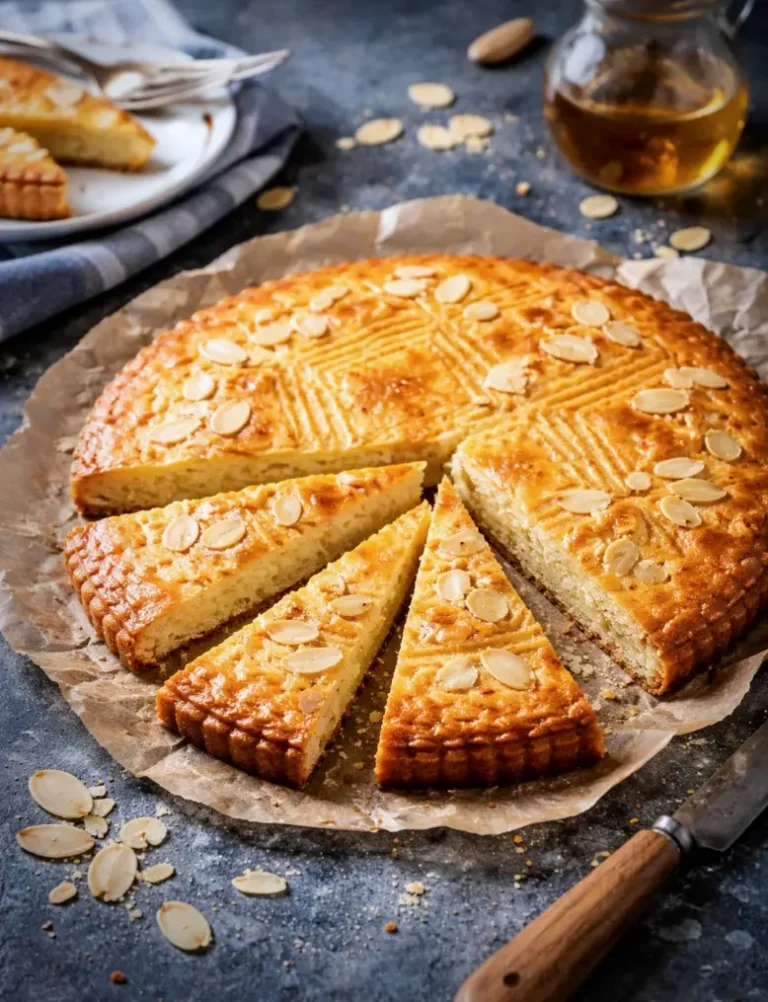
- Roll out the dough on a sheet of parchment paper to form a large, round galette, about 1.5–2 cm thick. Use your fingers to pinch the edges all around, creating a decorative border. Use a knife to make shallow decorative lines or a simple pattern on the surface (this is called scoring!).
4. Add the egg wash
- Lightly beat the egg yolk with a splash of water and brush it over the top of the galette for a golden finish.
5. Bake
- Slide the parchment paper with the galette onto a baking tray. Bake for about 30 minutes, or until the broyé is golden and crisp around the edges.
6. Serve with tea or coffee
- Let the Broyé de Poitou cool for a few minutes, brew yourself a cup of tea or coffee and enjoy the true taste of French country life!
Notes
- Storage: Broyé du Poitou keeps well in an airtight container for several days.
- Texture: The broyé should be crumbly, buttery, and slightly crisp at the edges.
About this recipe
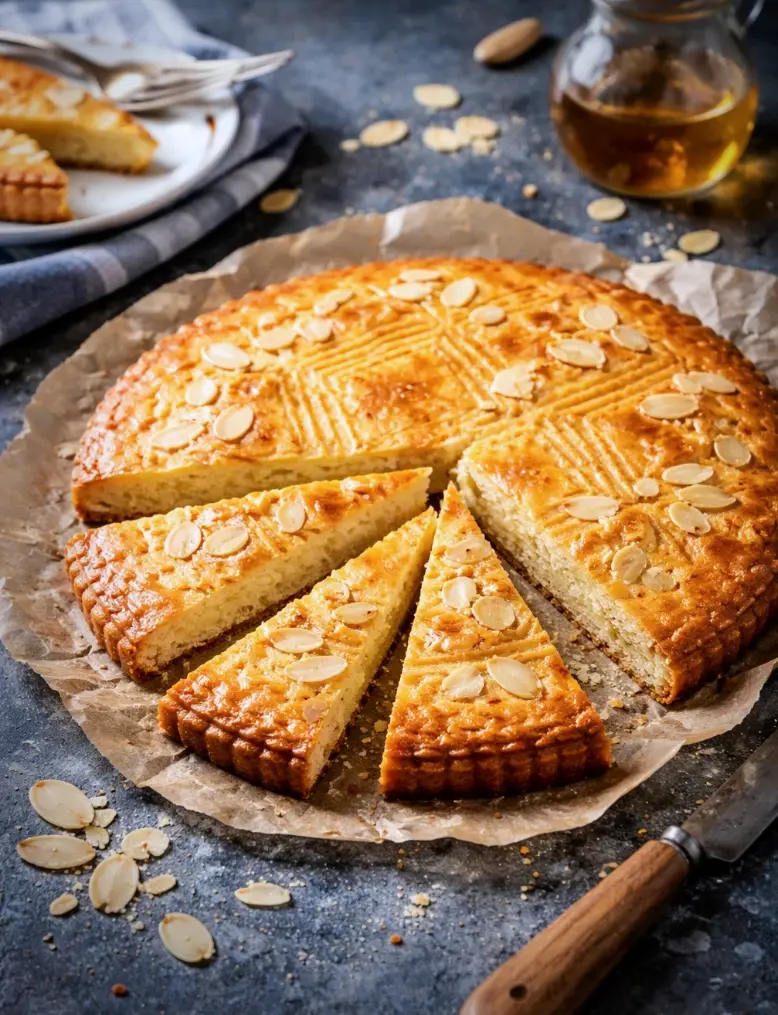
At the heart of Poitevin country life, the Broyé de Poitou is a symbol of conviviality, simplicity, and family tradition. This large, round, golden butter biscuit, whose recipe hasn’t changed in a hundred years, is a gesture of sharing as much as it is a thing to eat. Crumbly and sandy, it melts on your tongue with that pure butter-and-flour taste that makes simple biscuits so completely addictive.
The origins go back to the rural farms of Poitou, where it was baked in communal ovens and brought out for special occasions. Weddings, baptisms, harvest festivals, communions. The recipe passed down through generations with very little fuss because very little fuss is needed. Flour, sugar, butter, eggs. That’s it. The resourcefulness of Poitevin families was not in the ingredients but in what they did with them, and what they did was make something that has outlasted every culinary trend for a century.
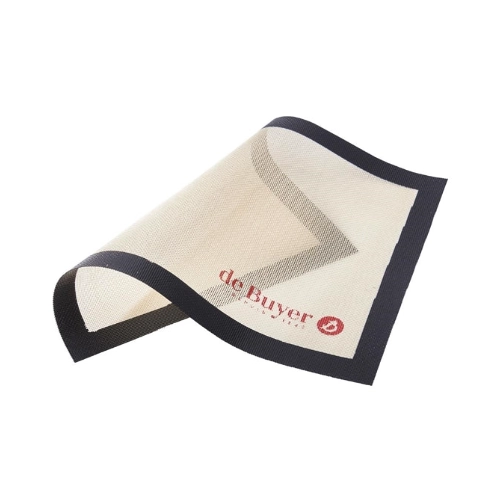
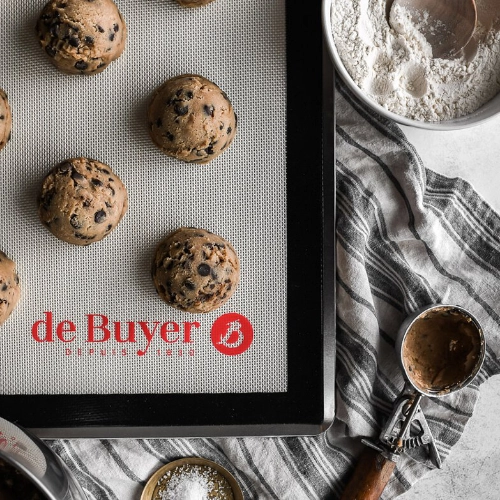
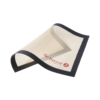
DeBuyer Baking Mat
Find it on Amazon >
The punch
The act of breaking the Broyé de Poitou is central to its identity, and it’s the thing that makes people stop and stare the first time they see it. The name comes from the French verb broyer, meaning to crush. Traditionally the biscuit is placed on the table and broken with a single, decisive punch to the centre. Everyone reaches in and takes a piece. No plates, no slicing, no ceremony beyond the thump itself.
This is often described as barbaric in a playful, affectionate way, and honestly that’s fair. It is a bit barbaric. It’s also completely brilliant and the reason this French butter cookie has stayed exactly as it is for generations. The punch is democratic. Everyone gets a share, nobody gets a neat slice, and the whole thing becomes a moment rather than just a biscuit.
If you make this for guests who haven’t seen it before, do not warn them. Just put it on the table and handle it yourself. The reaction is worth it every time.
What makes a good broyé
The texture is everything here. A proper broyé de Poitou is crumbly and sandy, with crisp caramelised edges and a centre that stays just slightly tender. It should melt as soon as it hits your tongue rather than requiring any real chewing. This comes from working the butter in properly and not overworking the dough once it comes together. Mix until it’s homogenous, then stop.
The scoring on top is traditional and worth doing properly. Use a knife to make a simple crosshatch or geometric pattern before the egg wash goes on. It crisps up beautifully in the oven and gives you that golden, almost glazed surface that makes the broyé look as good as it tastes.
As a French shortbread biscuit recipe, this is about as straightforward as baking gets. Fifteen minutes to make the dough, thirty minutes in the oven, and you have something that tastes like it came from an artisan boulangerie in Poitiers.
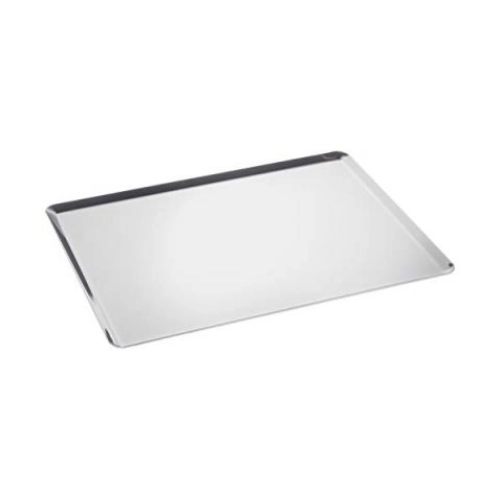
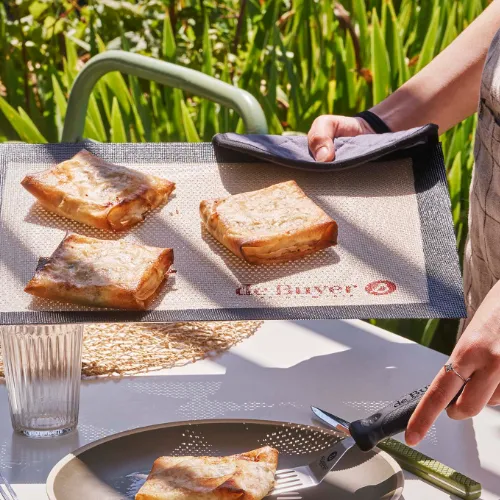
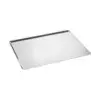
DeBuyer Stainless Steel Baking Tray
Find it on Amazon >
Getting the bake right
The broyé needs even heat from underneath to get that crisp base and caramelised edge without burning the top. A good baking tray makes a real difference. The De Buyer stainless steel baking tray is what I use for this. It’s sturdy, heats evenly, and holds its shape at temperature, which thinner trays often don’t. Pair it with the De Buyer baking mat underneath the biscuit and you get perfectly even heat distribution from below, a non-stick surface so the broyé lifts cleanly, and no parchment paper waste. It’s the combination I use for most of my baking and it’s particularly good for something like this where the base texture matters.
The tradition today
The Broyé de Poitou is still a staple at Poitevin tables and still made by artisan producers in the region. Goulibeur in Poitiers is the most well-known, using local butter and the same recipe that local families have been making at home for generations. You can find it in local markets and biscuit shops across Poitou, usually wrapped simply and stacked in piles.
Making it at home is both easy and deeply satisfying. It keeps well in an airtight container for several days, which means it’s a brilliant make-ahead for gatherings. Brew a coffee, put it on the table, and let someone else do the punching.
Share your feedback and spread the love!
If you try this recipe, I’d love to hear how it turns out! Leave a ★★★★★ rating and your thoughts in the comments, it helps fellow French foodies discover this recipe too. Snap a photo and tag me @obviously.french on Instagram if you’re sharing your bake or cooking online. Don’t forget to save this recipe to Pinterest so you’ll always have it handy for your next French-inspired meal!
Disclosure: Just so you know, this post contains sponsored content and/or affiliate links, If you make a purchase through these links, I may receive a small commission. Doesn’t cost you anything extra. I only link to things that are actually worth your time. All opinions are my own!