 March 25, 2025
Disclosure: This post may contain affiliate links which provide us a small commission when used for purchase. Please read my disclosure policy for more information. I am grateful for your support!
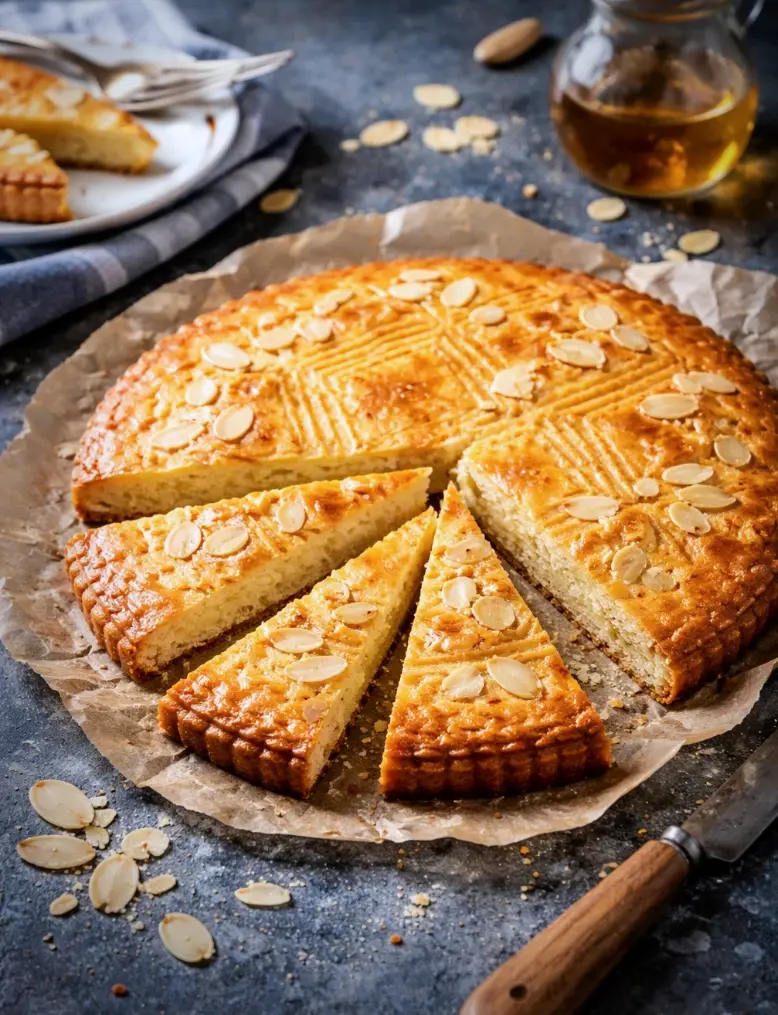
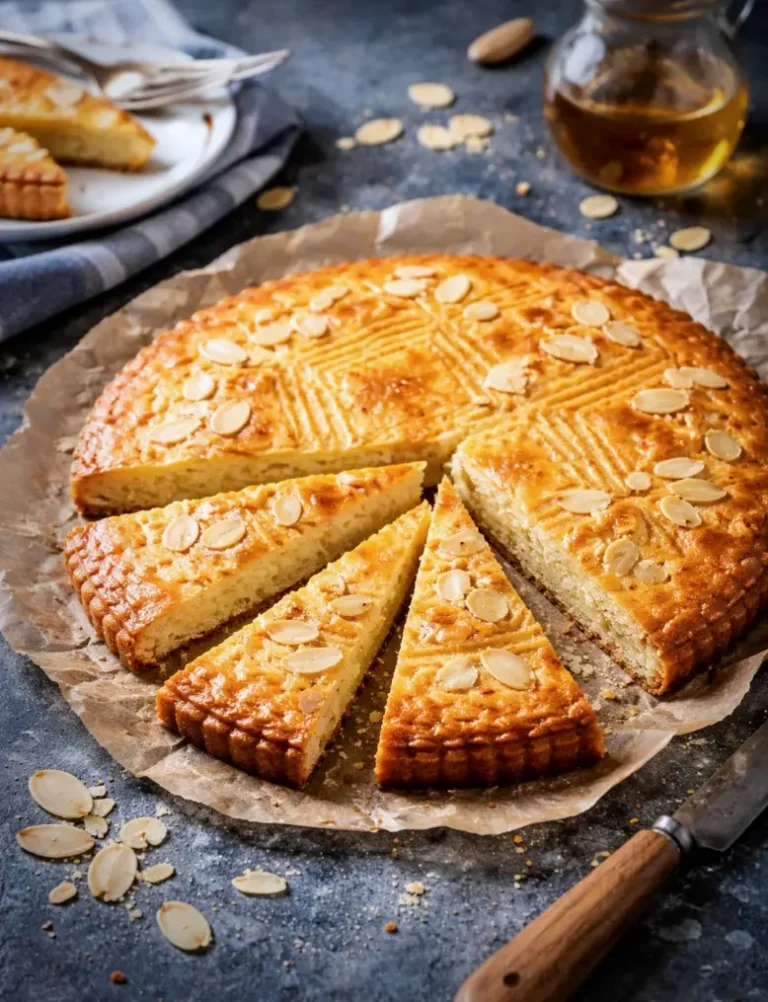
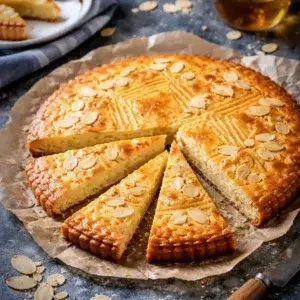
I first came across broyé de Poitou in a bakery in the central-west of France. I was going in to buy bread and noticed these big flat round biscuits stacked in the display. Obviously I had to ask. The baker told me it was the traditional butter biscuit of the region, and that you had to punch it rather than slice it! I bought one immediately.
At home I made an espresso, punched my biscuit into pieces and tried it. He was right. It was the perfect thing for an afternoon pick-me-up. And if you make this recipe for people who haven’t seen it before, don’t warn them. Put it on the table and ask someone to punch it. The reaction is worth it every time!
Table of Contents
Where broyé de Poitou comes from
The broyé comes from the old province of Poitou, and it’s been a symbol of conviviality there since at least the nineteenth century. It started on rural farms as the village galette, baked for whatever brought people together: weddings, baptisms, communions, threshing festivals, and handed out in pieces after mass. Some people even poured a splash of cognac or fruit eau-de-vie over their piece!
The name comes from broyer, to crush, and it describes exactly how you serve it. The biscuit goes in the middle of the table and the strongest person present brings a fist down hard in the centre. It shatters into irregular pieces and everyone takes one according to their appetite.
The Broyé de Poitou is still made across the region, by artisan biscuit-makers (Goulibeur being the most famous one) and by families, and since 2004 there’s even a confrérie in Poitiers dedicated to defending the authentic version.
Ingredients
- Butter — the entire point, so buy the best you can. The local butter is Charentes-Poitou AOP, and if you can find it, pick a good French butter.
- Plain flour — added last and worked as little as possible, which is what keeps the biscuit sandy rather than tough.
- Caster sugar — for sweetness and for the crisp caramelised edge.
- Egg — binds the dough. One whole egg for the mix, plus a yolk for the glaze.
- Vanilla — sugar or extract, a quiet background note behind all that butter.
- Salt — a pinch, which makes the butter taste more of itself.
How to make broyé de Poitou
1. Build the dough in the right order
Whisk the egg with the sugar, vanilla sugar and salt first, then work in the softened butter, and only then the flour. Adding the flour last and working it least is what gives the sandy, melting texture. Mix until it just comes together into a homogenous dough, and then stop.
2. Shape it thick and pinch the border
Roll or press the dough out on parchment into a round about 1.5 to 2cm thick. Thicker than you’d think for a biscuit, because you want crisp edges and a centre that stays slightly tender. Pinch all the way round with your fingers for the traditional decorative border.
3. Score it with a fork
Draw a fork across the surface in a crosshatch or a simple geometric pattern. Shallow lines only, just through the surface. This is the traditional finish and it crisps beautifully, giving that almost glazed golden top.
4. Glaze and bake until golden
Beat the egg yolk with a splash of water and brush it over the top. Bake at 180°C for about 30 minutes, until deep golden and crisp at the edges. Pale means underbaked, and an underbaked broyé is soft rather than sandy.
5. Cool before the punch
Let it cool for at least ten minutes on the tray before moving it, because warm broyé is fragile in the wrong way and will crumble as you lift it. Then onto the table, and let someone else do the honours.
Tools for this recipe
Check out my favorite kitchen essentials and cookware!
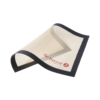
- Use a perforated baking mat with it, which lets the base crisp and means the biscuit lifts cleanly without sticking.
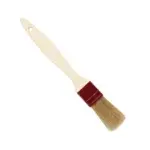
- Use a pastry brush to glaze the top evenly, since patchy egg wash bakes patchy.
- Use a rolling pin to get an even thickness, because thin patches burn while thick ones stay pale.
Tips for success
- Stop mixing the moment the dough comes together: overworked dough develops gluten and bakes tough and chewy instead of sandy. This is the only real way to get it wrong.
- Use properly softened butter, not melted: melted butter makes a greasy dough that spreads in the oven. It should give easily to a finger but still hold its shape.
- Keep it thick, 1.5 to 2cm: rolled thin it bakes into a plain hard biscuit and loses the contrast between crisp edge and tender middle that makes a broyé what it is.
- Bake it darker than feels right: deep golden, not pale. The colour is where the flavour is, and a pale broyé tastes flat and stays soft.
- Chill the shaped dough for 20 minutes if your kitchen is warm: it holds its pattern better and spreads less.
- Let it cool completely before storing: any residual warmth turns to condensation in the tin and softens the whole biscuit.
How to store it
- At room temperature: In an airtight tin for up to a week, and it stays good throughout, which makes it a genuinely useful make-ahead. Keep it whole and unpunched until you serve it.
- In the freezer: The baked biscuit freezes well for up to 3 months, wrapped tightly. Thaw at room temperature and refresh in a low oven for a few minutes. The raw dough also freezes, wrapped, and can be shaped from thawed.
- In the fridge: Only for the dough, which keeps 2 days wrapped and is actually easier to shape when cold. Don’t refrigerate the baked biscuit, it goes soft.
More dessert recipes to try
Variations
- With flaked almonds: scattered over the egg wash before baking, which is thoroughly traditional in the region and adds a toasted crunch.
- Small individual broyés: the same dough shaped into rounds of 8 or 9cm and baked for about 15 minutes. Perfect for a lunchbox.
- With cognac: a tablespoon in the dough, or served the old Poitevin way with a splash of cognac or fruit eau-de-vie poured over your piece.
- With lemon zest: not traditional, but the zest of a lemon in the dough cuts the richness and works well with the butter.
- With cream: some regional recipes include a little crème fraîche in the dough, which gives a slightly softer, more tender biscuit.
- Less sugar: the sugar caramelises the edges as well as sweetening, so it’s doing some structural work. You can drop 125g to about 100g and still get a good broyé, slightly less crisp at the rim. Below that it goes pale and cakey.
FAQ
Why do you punch a broyé de Poitou?
It’s the traditional way of serving it, and the name comes from broyer, to crush. The uneven pieces mean everyone takes a share according to their appetite, and the fragments travel well enough to carry home to whoever missed the gathering.
What’s the difference between broyé de Poitou and shortbread?
They’re close relatives. Broyé is made with whole egg, which Scottish shortbread isn’t, giving a slightly firmer, sandier biscuit, and it’s baked as one large round rather than fingers.
Why is my broyé tough instead of crumbly?
The dough was overworked. Add the flour last and mix only until it just comes together, then stop. Working it further develops gluten and makes it chewy.
How long does a broyé de Poitou keep?
Up to a week in an airtight tin, kept whole. It also freezes well for up to three months.
What butter should I use for this French butter cookie?
The best you can find, since it’s most of the flavour. In Poitou they use Charentes-Poitou AOP butter, and any good unsalted French butter will do the job.


 Prep Time 15 minutes
  Cook Time 30 minutes
  Total Time 45 minutes
  Servings 8
Description
Ingredients
- 250 gr plain flour
- 125 gr caster sugar
- 125 gr unsalted butter softened and cubed
- 1 egg
- 1 pinch salt
- 8 gr vanilla sugar
- 1 tsp vanilla extract
- 1 egg yolk, for egg wash
Equipment

Instructions
1. Preheat the oven
- Heat to 180°C (160°C fan).
2. Make the dough
- In a large bowl, whisk the egg with the sugar, vanilla sugar, vanilla extract and salt. Work in the softened butter, then add the flour last and mix with your hands only until you have a firm, homogenous dough. Don't overwork it.
3. Shape the broyer
- Roll or press the dough out on a sheet of parchment into a large round about 1.5–2cm thick. Pinch the edges all the way round with your fingers to make a decorative border. Score the surface with a fork in a crosshatch or simple pattern, shallow lines only.
4. Glaze
- Lightly beat the egg yolk with a splash of water and brush it over the top for a golden finish.
5. Bake
- Slide the parchment onto a baking tray and bake for about 30 minutes, until deep golden and crisp at the edges.
6. Cool and serve
- Let it cool at least 10 minutes before moving it. Serve with coffee or tea, and break it with a fist in the centre.
Notes
- Don’t overwork the dough. Add the flour last and stop as soon as it comes together.
- Keeps well in an airtight tin for up to a week, kept whole.
- Scatter flaked almonds over the egg wash before baking for the traditional regional finish.
Share your feedback and spread the love!
If you try this recipe, I’d love to hear how it turns out! Leave a ★★★★★ rating and your thoughts in the comments, it helps fellow French foodies discover this recipe too. Snap a photo and tag @obviously.french on Instagram. Come talk about it in our Facebook group. And don’t forget to save this recipe to Pinterest so you’ll always have it handy for your next French-inspired meal!