Cauliflower fritters

 Prep Time 20 minutes
  Cook Time 20 minutes
  Total Time 40 minutes
  Servings 4
Ingredients
- 1 cauliflower
- 3 egg
- 150 gr plain flour
- 100 ml whole milk
- 1 handful parsley fresh
- 1 tbsp curry powder optional, for a subtle warmth
- rapeseed oil for deep frying
- salt and black pepper
Equipment
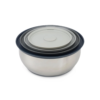
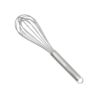
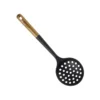

Instructions
1. Prepare the cauliflower
- Break the cauliflower into small florets, discarding the tough stem. Rinse them well. Bring a large saucepan of salted water to the boil, then add the florets. Cook for about 8 minutes, until just tender but not mushy. Drain thoroughly and set aside to cool.
2. Make the batter
- In a large bowl, whisk the eggs until frothy. Gradually add the flour, whisking constantly to avoid lumps. Pour in the milk little by little, whisking until you have a smooth, thick batter. Stir in the chopped parsley, curry powder (if using), salt, and pepper. The batter should coat the back of a spoon.
3. Coat the cauliflower
- Once the cauliflower is cool enough to handle, gently fold the florets into the batter, ensuring each piece is well coated. Don’t rush this bit, every floret deserves its golden jacket.
4. Fry the beignets
- Heat the oil in a deep frying pan or fryer to 180°C (or until a drop of batter sizzles and floats). Using a slotted spoon, carefully lower a few battered florets into the hot oil. Fry in batches for about 3–4 minutes, turning occasionally, until crisp and golden. Don’t overcrowd the pan, or you’ll end up with soggy fritters (and nobody wants that).
5. Drain and serve
- Lift the beignets out with a slotted spoon and drain on kitchen paper. Serve piping hot, with a squeeze of lemon or a tangy yoghurt dip if you fancy.
Notes
- For extra crunch, try adding a tablespoon of cornflour to the batter. If you’re feeling adventurous, a pinch of smoked paprika or cumin can add a lovely depth. These are best eaten fresh, but if you must reheat, pop them in a hot oven for a few minutes to revive their crispiness.
About this recipe
Cauliflower fritters are one of those dishes that French home cooks have been making for generations without ever writing the recipe down. Every family has a version, every cook has an opinion about the batter, and the result is always the same: golden, crispy on the outside, tender inside, and gone from the plate faster than anything else on the table.
Fritters in French cooking
The tradition of frying battered vegetables goes back centuries in France. Beignets, the broader category that includes all manner of fried and battered foods, have been part of French village cooking since the Middle Ages. They appeared at fêtes, at harvest celebrations, at family gatherings where the cooking needed to stretch far and feed many. Battered and fried vegetables were the clever cook’s answer to abundance: when the garden produces more cauliflower than a family can eat in a week, you make fritters.
In the south, where vegetables are grown with genuine pride and eaten with genuine enthusiasm, cauliflower fritters appear regularly as a starter or alongside a simple salad for lunch. They are not considered a special occasion dish. They are considered Tuesday.
The batter for cauliflower fritters
The batter for cauliflower fritters is where most recipes either succeed or fail. Too thick and the batter dominates the cauliflower, turning each fritter into something heavy and doughy. Too thin and it doesn’t adhere properly, slides off during cooking, and leaves you with bare cauliflower in a pan of oil. The right consistency coats the back of a spoon and clings to the florets without pooling.
A basic cauliflower fritters batter uses flour, egg, and a liquid, either water, milk, or beer. The egg provides structure and helps the batter set in the hot oil. The liquid determines the texture. Water gives you a lighter, crispier result. Milk gives you something richer and slightly softer. Beer adds a yeasty depth and produces the crispiest batter of the three. For a straightforward basic cauliflower fritters recipe, water or milk works perfectly and requires nothing you don’t already have.
Season the batter well. Salt, pepper, and whatever French herbs suit the meal. Parsley is the classic choice. Thyme works well. A pinch of smoked paprika adds warmth without taking over.
Blanching before battering
The step that most basic cauliflower fritter recipes skip is blanching the cauliflower before it goes into the batter. Raw cauliflower takes longer to cook through than the batter takes to crisp, which means you end up with perfectly golden battered cauliflower fritters that are still firm and slightly raw in the centre. Blanching first solves this completely.
Two to three minutes in well-salted boiling water, then immediately into cold water to stop the cooking and preserve the colour. The cauliflower finishes cooking in the hot oil, and by the time the batter is golden the inside is perfectly tender.
The right pan for blanching
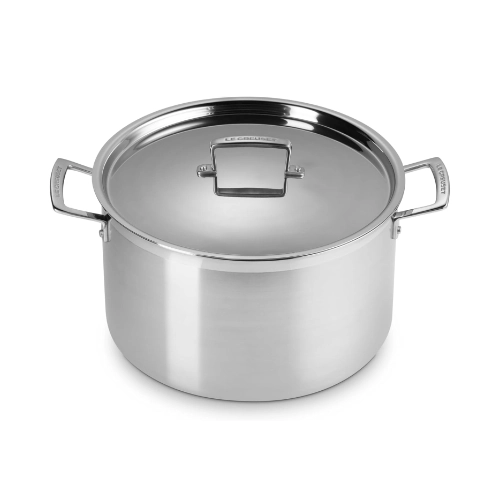
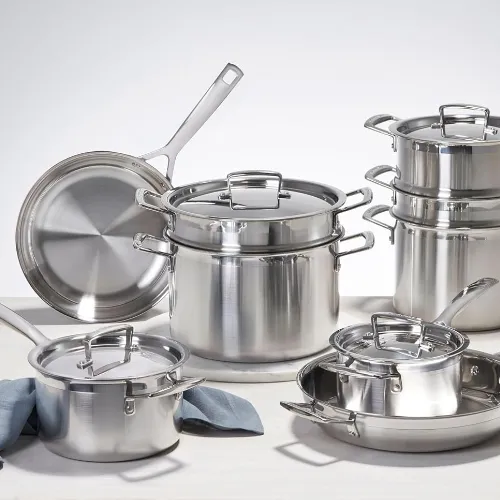
For blanching cauliflower florets properly, you need a saucepan wide enough to hold them without crowding and deep enough to keep them submerged. I use the Le Creuset 28cm saucepan for this. The wide base means the water returns to the boil quickly after the cauliflower goes in, which matters for keeping the blanching time consistent. The even heat distribution means every floret cooks at the same rate. And the size is right for a full batch of baked cauliflower fritters without having to work in multiple rounds.
Baked versus fried
This recipe gives you the option to bake rather than fry, which produces a lighter result with less oil but still with a proper crust if the oven is hot enough and the baking surface conducts heat well. Baked cauliflower fritters need a very hot oven, at least 200C, and a surface that gets properly hot before the fritters go on. Turn them once halfway through baking to ensure both sides colour evenly.
Fried fritters are crispier and more traditional. Baked fritters are lighter and more practical for a larger batch. Both versions use the same batter and the same preparation. The choice depends on the occasion and how much washing up you want to do afterwards.
Serving them
Serve hot, straight from the pan or the oven, when the batter is at its crispiest. A simple dipping sauce alongside, either a sharp mustard mayonnaise or a yogurt with lemon and herbs, gives you something to contrast with the richness of the batter. A green salad dressed with vinaigrette is all you need to turn this into a proper lunch.
In France, these would appear on the table without ceremony, passed around and eaten with hands rather than forks. That is the right way to eat them.
Share your feedback and spread the love!
If you try this recipe, I’d love to hear how it turns out! Leave a ★★★★★ rating and your thoughts in the comments, it helps fellow French foodies discover this recipe too. Snap a photo and tag me @obviously.french on Instagram if you’re sharing your bake or cooking online. Don’t forget to save this recipe to Pinterest so you’ll always have it handy for your next French-inspired meal!
Disclosure: Just so you know, this post contains sponsored content and/or affiliate links, If you make a purchase through these links, I may receive a small commission. Doesn’t cost you anything extra. I only link to things that are actually worth your time. All opinions are my own!