 July 8, 2025
Disclosure: This post may contain affiliate links which provide us a small commission when used for purchase. Please read my disclosure policy for more information. I am grateful for your support!

If you’ve visited the south of France, I expect you’ve tried cauliflower fritters at some point. I remember going to a corner restaurant in the old town of Nice with my parents, and they’d order apéro food like socca, battered courgette flowers, and these cauliflower fritters. I couldn’t have been happier as a kid! These days I make them as an adult, with a Monaco or a rosé in hand.
Table of Contents
Where cauliflower fritters come from
Beignets are a serious business in Nice. They were originally sold in the alleyways of the Vieux-Nice by women street vendors, a hot, cheap, filling snack for workers, and traditionally made in the weeks before Lent to use up reserves of fat before the fast. Courgette flowers, cauliflower, aubergine, artichokes, all fried in a light batter and eaten hot with your fingers. Unlike the sweet beignets of northern France, the Niçois version went savoury, and it’s the frying oil that lifts what comes out of the vegetable garden.
Beignets de fleurs de courgettes are a fixture of the Cuisine Nissarde tradition, the label the city uses to protect and promote authentic Niçois cooking in its restaurants. Cauliflower fritters come from the same tradition and the same spirit.
Ingredients
- Cauliflower — broken into small, even florets so they cook at the same rate.
- Plain flour — the body of the batter. Enough to coat the back of a spoon and cling to the florets without pooling.
- Eggs — bind the batter and help it set crisply around each floret rather than sliding off in the oil.
- Milk — gives a richer, slightly softer batter. Water makes it lighter and crisper; beer makes it crispiest of all and adds a little depth. Any of the three works.
- Parsley — chopped through the batter, which is the classic Niçois seasoning along with plenty of salt and pepper.
- Curry powder (optional) — a pinch adds a subtle warmth that suits cauliflower particularly well.
- Neutral oil — rapeseed or sunflower, enough for a proper deep fry and with no flavour of its own.
- Lemon — a squeeze at the end, which cuts the richness of the frying.
How to make cauliflower fritters
1. Blanch the cauliflower, briefly
Break the cauliflower into small even florets and drop them into well-salted boiling water for four to five minutes, until just tender. This is the step most recipes skip, and it’s why their fritters look perfect and stay firm in the middle: raw cauliflower takes longer to cook through than batter takes to turn golden.
2. Refresh in cold water and dry thoroughly
Straight from the pan into cold water, which stops the cooking and keeps the colour. Then dry them properly on a towel. Wet florets make the batter slide off, and any water going into hot oil will spit at you.
3. Make the batter and check its thickness
Whisk the eggs until frothy, add the flour gradually to avoid lumps, then the milk little by little. Season it well with salt, pepper, parsley and curry powder if using. It should coat the back of a spoon: too thick and it turns doughy and heavy, too thin and it slides off in the pan.
4. Coat every floret properly
Fold the cooled florets into the batter so each piece is covered. Take your time here, because bare patches fry naked and the fritter falls apart. Lift each one out letting the excess drip back into the bowl.
5. Fry hot, in small batches
Heat the oil to 180°C and lower in a few florets at a time. Overcrowd the pan and the temperature crashes, and you get soggy, greasy fritters instead of crisp ones. Three to four minutes, turning occasionally, until deep golden.
6. Drain, salt and serve immediately
Onto kitchen paper, salt them while the surface is still hot enough to take it, and get them to the table straight away with a squeeze of lemon. These are at their best in the first few minutes and there’s no getting that back.
Tools for this recipe
Check out my favorite kitchen essentials and cookware!
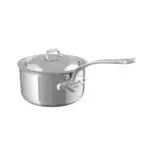
- Use a wide saucepan for blanching, so the florets sit without crowding and the water returns to the boil quickly, which keeps the timing consistent across the batch.
- Use a deep fryer or heavy pot with a thermometer, because holding 180°C is the difference between crisp and greasy.
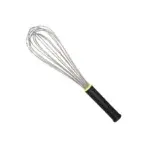
- Use a whisk to get the batter smooth, since lumps of flour don’t disappear in the fryer.
Tips for success
- Rest the batter for 30 minutes in the fridge: this is the Niçois trick. Cold batter hitting hot oil creates an instant thin crust that seals the vegetable and keeps the fritter from absorbing grease.
- Cut the florets small and even: big florets stay dense in the middle and the batter burns before they’re ready. Bite-sized is what you want.
- Dry the cauliflower: this is the single most common reason batter slides off. Pat them properly, and give them a few minutes on a towel.
- Let the oil recover between batches: watch it climb back to 180°C before the next handful. Batch three is always worse than batch one if you rush.
- Salt the moment they leave the oil: once the surface cools the salt won’t stick.
- Don’t cover them to keep warm: trapped steam softens the crust instantly. A rack in a low oven, uncovered keeps them warm and crispy.
How to store it
- Freshly fried: They don’t keep, and that’s the honest answer. Within fifteen minutes the crust softens. Fry what you’ll eat and serve straight from the pan.
- In the fridge: Leftovers keep a day in a container. Reheat in a hot oven for a few minutes to revive some of the crispness, never in the microwave, which turns them to sponge. The blanched cauliflower keeps 2 days, so you can prep ahead and fry to order.
- In the freezer: Not worth it for cooked fritters, which thaw soggy. Blanched florets freeze well though, so it’s worth doing a whole cauliflower and keeping some for later.
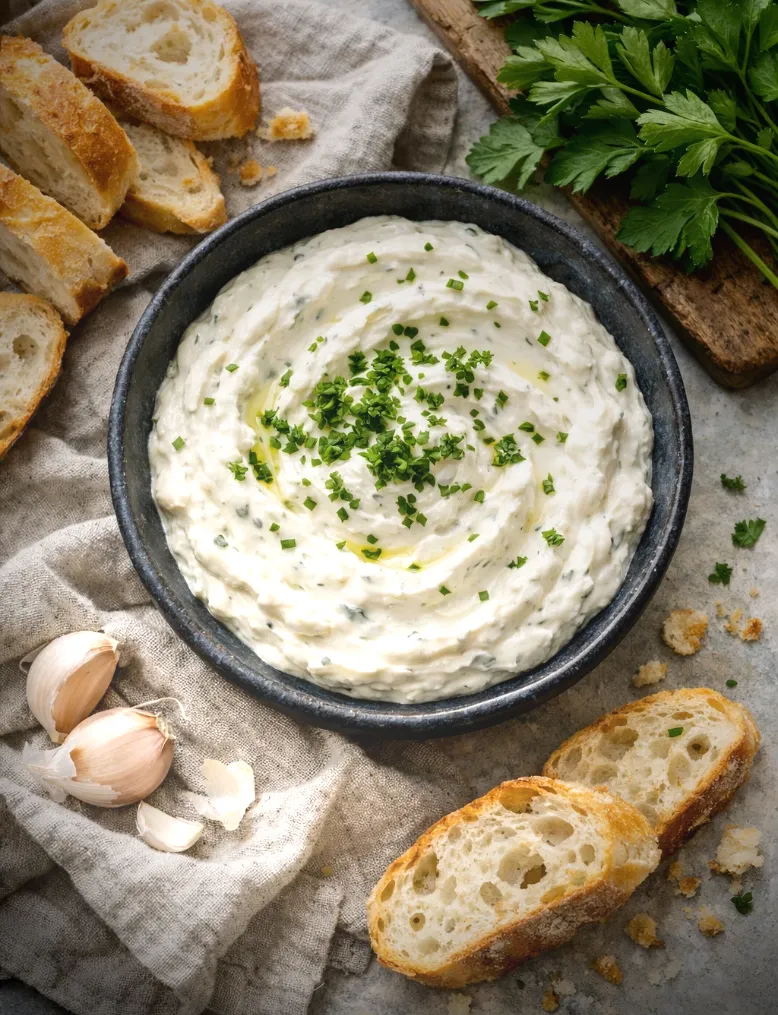
More apéro recipes to try
→ Mimosa Eggs (French Deviled Eggs)
→ Savoury biscuits with black olives
Variations
- Swap half the milk for cold beer: the crispiest batter of the lot, and a genuinely traditional Niçois variation. A pinch of bicarbonate of soda helps too.
- Baked instead of fried: lighter and more practical for a big batch. The oven needs to be really hot, at least 200°C, and turn them once halfway so both sides colour. Same batter, same preparation, less crisp but works if you don’t have a deep fryer.
- Other vegetables, same batter: courgette flowers are the classic, and courgette slices, salted-and-dried aubergine and small purple artichokes all work identically. This is exactly how it’s done in Nice.
- Spiced: a pinch of smoked paprika, cumin or piment d’Espelette in the batter. The Espelette version is the most French of the three.
- With cornflour: a tablespoon of cornflour in place of some of the flour gives a noticeably crunchier coating.
- Vegan: skip the eggs and make a batter of flour, cold sparkling water and a pinch of baking powder. It fries lighter than the egg version.
FAQ
Do you have to blanch cauliflower before making fritters?
It’s worth it. Raw cauliflower takes longer to cook through than the batter takes to brown, so without blanching you get golden fritters that are still firm inside. Four to five minutes in salted boiling water is enough.
What’s the best batter for cauliflower fritters?
Flour, egg and liquid, thick enough to coat the back of a spoon. Water gives the lightest result, milk a richer one, and beer the crispiest. Season it well, since the cauliflower itself is mild.
Can you make baked cauliflower fritters instead?
Yes. Use the same batter and preparation, bake at a minimum of 200°C, and turn them halfway so both sides colour. They’re lighter and less crisp than fried, but far easier for a crowd.
Why did my batter slide off?
The cauliflower was wet, or the batter was too thin. Dry the florets thoroughly after blanching, and make sure the batter coats a spoon rather than running off it.



 Prep Time 20 minutes
  Cook Time 20 minutes
  Total Time 40 minutes
  Servings 4
Description
Ingredients
- 1 cauliflower
- 3 egg
- 150 gr plain flour
- 100 ml whole milk
- 1 handful parsley fresh
- 1 tbsp curry powder optional, for a subtle warmth
- rapeseed oil for deep frying
- salt and black pepper
Equipment

Instructions
1. Prepare the cauliflower
- Break the cauliflower into small even florets, discarding the tough stem, and rinse well. Bring a large saucepan of salted water to the boil and add the florets. Cook for 4–5 minutes, until just tender but not soft. Drain, refresh in cold water to stop the cooking, then dry thoroughly on a clean towel.
2. Make the batter
- In a large bowl, whisk the eggs until frothy. Gradually add the flour, whisking constantly to avoid lumps. Pour in the milk little by little, whisking to a smooth, thick batter. Stir in the chopped parsley, curry powder if using, salt and pepper. The batter should coat the back of a spoon.
3. Coat the cauliflower
- Gently fold the dried florets into the batter, making sure each piece is well coated, letting the excess drip off as you lift them out.
4. Fry the beignets
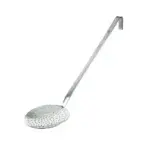
- Heat the oil to 180°C, or until a drop of batter sizzles and floats. Using a slotted spoon, lower a few florets into the hot oil. Fry in batches for 3–4 minutes, turning occasionally, until crisp and deep golden. Don't overcrowd the pan, and let the oil come back to temperature between batches.
5. Drain and serve
- Lift out with the slotted spoon and drain on kitchen paper. Salt while still hot and serve immediately, with a squeeze of lemon.
Notes
- For extra crunch, try adding a tablespoon of cornflour to the batter. If you’re feeling adventurous, a pinch of smoked paprika or cumin can add a lovely depth. These are best eaten fresh, but if you must reheat, pop them in a hot oven for a few minutes to revive their crispiness.
Share your feedback and spread the love!
If you try this recipe, I’d love to hear how it turns out! Leave a ★★★★★ rating and your thoughts in the comments, it helps fellow French foodies discover this recipe too. Snap a photo and tag @obviously.french on Instagram. Come talk about it in our Facebook group. And don’t forget to save this recipe to Pinterest so you’ll always have it handy for your next French-inspired meal!