Anchoïade
 July 24, 2026
Disclosure: This post may contain affiliate links which provide us a small commission when used for purchase. Please read my disclosure policy for more information. I am grateful for your support!
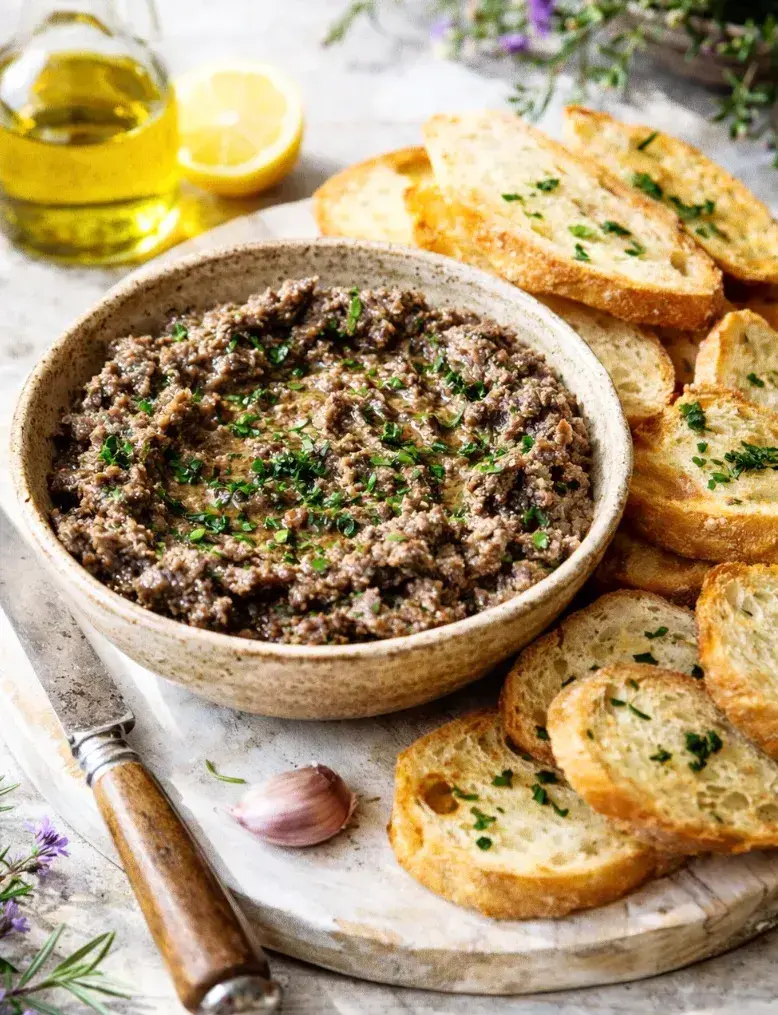
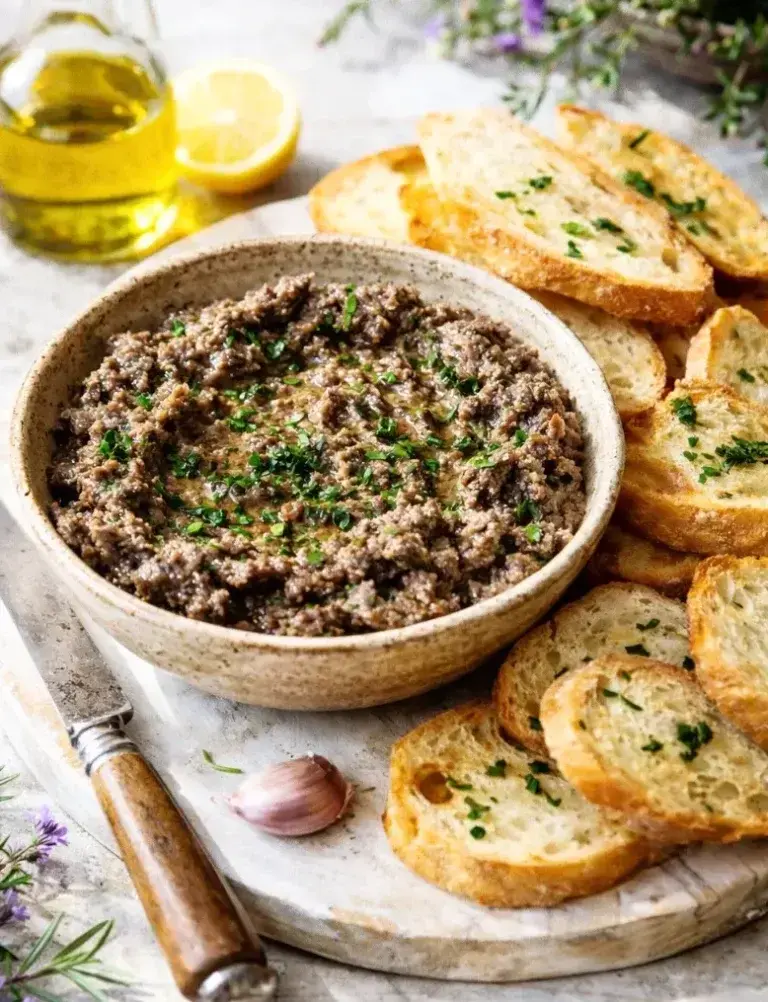
Anchovies are a fish you either love or hate. I grew up with them in Nice, so they’re a normal taste to me, though plenty of people find them too strong. If you know tapenade, think of this anchovy spread as its bolder, saltier cousin. I love it for apéro on a hot day with a glass of Pastis and lots of raw vegetables, or simply on a crusty baguette.
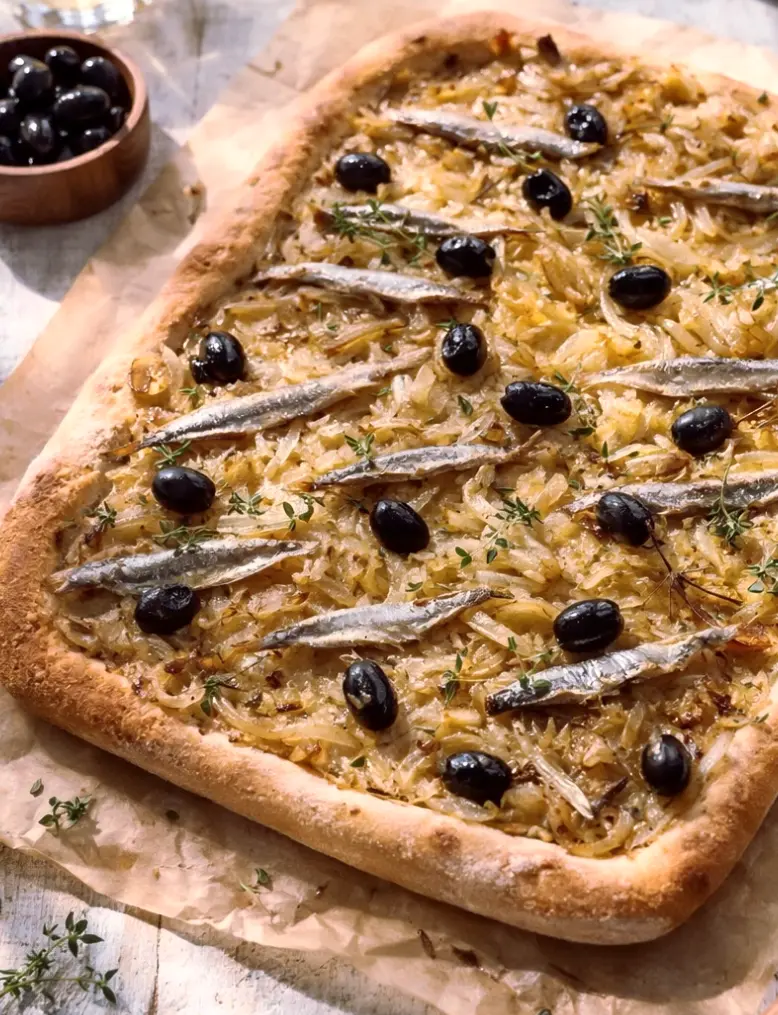
Don’t forget to try making a Pissaladière at the same time you get your anchovies, a must-try caramelised onion tart from Nice that uses the same fish!
Table of Contents
Where anchoïade comes from
The Provençal version was written down by the chef Jean-Baptiste Reboul in La Cuisinière Provençale, first published in 1897. But anchovy paste is far older than any cookbook. The Romans had garum, which came in two forms: hallex, the solid paste, and liquamen, the liquid. This recipe is closer to hallex, and there’s a direct line, because the hallex survived in Provence under its own name and was eventually renamed pissalat. If that looks familiar, it’s the same pissalat that gives pissaladière its name!
The idea spread all along the northern Mediterranean in local forms: this Niçois one, the Camargue version, Piedmontese bagna cauda served warm, Catalan anxovada. As for the name, anchois is French for anchovy and -ade is the suffix for something made from an ingredient, the same way orange becomes orangeade.
Ingredients
- Anchovies — this is mostly fish, so the quality decides everything. Oil-packed fillets rather than salt-packed, which can overwhelm the whole thing even after soaking. Rinse them lightly regardless.
- Garlic — pounded to a paste first so it disperses evenly. Take the green germ out of the centre of each clove, which is the bitter, aggressive part.
- Capers — for a sharp, briny lift against the fish. Rinse them well, or the vinegar takes over everything.
- Extra virgin olive oil — worked in gradually, and it’s most of the body of the paste. Use one you’d happily taste on bread.
- Lemon juice — not in Reboul’s original, but a squeeze cuts the salt and freshens the whole thing.
- Black pepper — generously. And taste before adding any salt, since the anchovies have almost certainly done that job.
On which anchovies to buy: in France I’d look for Anchois de Collioure, with their long artisanal salting tradition. Outside France, Spanish Cantabrian anchovies from the Bay of Biscay are excellent, where the fish are large, fatty and hand-processed, ideally matured in salt for eight to twelve months.
How to make anchoïade
1. Prepare the garlic and capers first
Degerm the garlic by splitting each clove and flicking out the green shoot, which takes thirty seconds and removes the harsh, bitter note. Rinse the capers thoroughly under cold water, because unrinsed they bring vinegar that flattens everything else.
2. Pound the garlic to a paste
Garlic and a pinch of salt in the mortar first, worked until smooth. The salt gives the pestle something to grind against, and starting with garlic alone means it disperses evenly rather than staying in lumps through the finished paste.
3. Work in the anchovies, then the capers
A few fillets at a time, pounding until you have a rough, textured paste, then the capers worked through. Adding them gradually gives you far better texture than tipping the tin in at once.
4. Add the oil slowly
Pour it in a thin stream, working it in with the pestle as you go, until you have a loose, slightly chunky sauce. Rushing the oil gives you a split, greasy mixture rather than something that holds together.
5. Finish, and taste before salting
A squeeze of lemon and plenty of black pepper. Then taste it, and almost certainly add no salt at all. If you’re using a food processor instead, pulse in short bursts and stop while there’s still texture, since anchoïade should have body rather than being a smooth mousse.
6. Grill the bread and rub it with garlic
Griddle pan very hot, baguette slices brushed with oil on both sides, one to two minutes a side until charred. Rub each hot slice with a cut garlic clove while it’s still warm. Ten seconds of work and it makes a noticeable difference.
Tools for this recipe
Check out my favorite kitchen essentials and cookware!
- Use a mortar and pestle for the texture, since pounding breaks the fish down while leaving it rough in a way a blade can’t replicate. If it’s new, season it first, both to avoid grit and to protect the flavour.
- Use a grill pan to get proper char marks on the bread, which a toaster won’t give you.
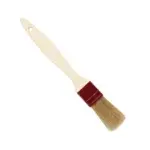
- Use a pastry brush to oil the bread evenly on both sides before it hits the hot pan.
Tips for success
- Rinse the capers: unrinsed capers bring their vinegar with them and it overwhelms the anchovy, the garlic and the oil all at once. Thirty seconds under the tap.
- Degerm the garlic: the green shoot in the centre is the bitter part, and raw garlic in a paste like this gives it nowhere to hide.
- Choose oil-packed over salt-packed anchovies: salt-packed are wonderful but need overnight soaking and can still carry too much salt into a dish this concentrated.
- Don’t over-process: whether mortar or machine, stop while you can still see fine flecks of fish. Smooth anchoïade tastes oddly flat and loses the rustic character.
- Make it an hour ahead: the garlic mellows and the flavours settle into each other. It’s noticeably better than freshly pounded.
- Serve it at room temperature: straight from the fridge, the oil is thick and the flavour muted. Twenty minutes out makes a real difference.
- Have something sweet and cold alongside: carrot sticks, cherry tomatoes, a cold drink. This is very salty food and it needs the contrast
How to store it
- In the fridge: Keeps 4 to 5 days in a sealed jar, covered with a thin layer of olive oil directly on the surface to stop it oxidising and darkening. Bring it back to room temperature before serving.
- The toasts: Don’t keep at all. Grill them fresh, since they go soft within the hour and there’s no reviving them.
- In the freezer: It freezes reasonably well for a couple of months, though the texture loosens slightly. Freeze it in an ice cube tray and you have single portions to stir into a dressing or a sauce whenever you want.
More Southern recipes to try
Variations
- Reboul’s original: just anchovies, garlic, capers and olive oil, with an optional splash of vinegar. No lemon, no parsley. Cleaner and more austere, and it’s the version from 1897.
- With parsley: chopped flat-leaf parsley through the paste or scattered over, which adds freshness. Not strictly traditional, but it works.
- Bagna cauda: the Piedmontese cousin, warmed gently with butter and served hot as a dip for vegetables. A different dish, same DNA.
- With figs: a little dried fig pounded in is a genuine old Provençal touch, and the sweetness against the salt is remarkable.
- With a soft-boiled egg: sliced over anchoïade on toast, which is how I ate it as a child and still one of the best thing in the world.
- As a dressing: loosened with more olive oil and a little vinegar, it makes a superb dressing for grilled vegetables or a salad of bitter leaves.
FAQ
What’s the difference between anchoïade and tapenade?
Tapenade is olive-based with anchovy in a supporting role. Anchoïade is anchovy-based, so it’s considerably saltier and more intensely savoury. Same region, same apéro table, different intensity.
What anchovies should I use for anchovy spread?
Good oil-packed fillets rather than the cheapest tinned variety, since the dish is mostly fish. Anchois de Collioure in France, or Spanish Cantabrian anchovies elsewhere.
Can you make anchoïade in a food processor?
Yes, but pulse in short bursts and stop while there’s still texture. Anchoïade should have body and fine flecks of fish, not be a smooth mousse.
Do you need to add salt to anchoïade?
No. Between the anchovies and the capers there’s plenty already, so taste before you even consider it.
How long does anchoïade keep?
Four to five days in the fridge in a sealed jar, with a thin layer of olive oil over the surface to stop it oxidising.



 Prep Time 10 minutes
  Cook Time 5 minutes
  Total Time 15 minutes
  Servings 4
Description
Ingredients
For the anchoïade
- 100 gr anchovy fillets
- 3 cloves garlic
- 2 tbsp capers
- 80 ml olive oil extra virgin
- 25 ml lemon juice
- black pepper
- raw vegetables carrots, celery, cucumber, radishes, fennel, cherry tomatoes
Equipment

Instructions
1. Prepare the garlic and capers
- Split each garlic clove and remove the green germ from the centre. Rinse the capers thoroughly under cold water and drain.
2. Pound the garlic
- In a mortar, pound the garlic to a smooth paste with a pinch of salt.
3. Add the anchovies and capers
- Add the anchovy fillets a few at a time, pounding until you have a rough, textured paste. Work in the capers.
4. Work in the oil
- Pour in the olive oil gradually, working it into the paste with the pestle until you have a loose, slightly chunky sauce.
5. Season and taste
- Add the lemon juice and plenty of black pepper. Taste before adding any salt, the anchovies will almost certainly have done that job already.
6. Toast the bread
- Heat a grill pan until very hot. Brush the baguette slices with olive oil on both sides and grill for 1 to 2 minutes per side, until golden with char marks. While still hot, rub each slice with the cut side of a garlic clove.
7. Serve
- Spoon the anchoïade into a small bowl and scatter over parsley if using. Arrange the toasts and raw vegetables around it. Serve immediately while the toasts are still warm.
Notes
- Using a food processor: Pulse the anchovies, garlic and capers in short bursts until broken down but still textured. Add the olive oil in a thin stream with the motor running, then the lemon juice and pepper. Don’t over-process, anchoïade should have body rather than being a smooth mousse.
- Rinse the capers well, or the vinegar overwhelms everything else.
- Degerming the garlic removes the bitter green shoot from the centre. Worth 30 seconds.
- Reboul’s original calls for only anchovy, garlic, capers and olive oil. The lemon and parsley here are additions.
- Don’t salt without tasting first. Almost every time, none is needed.
- Keeps several days in the fridge, covered with a thin layer of olive oil to stop it oxidising.
Share your feedback and spread the love!
If you try this recipe, I’d love to hear how it turns out! Leave a ★★★★★ rating and your thoughts in the comments, it helps fellow French foodies discover this recipe too. Snap a photo and tag @obviously.french on Instagram. Come talk about it in our Facebook group. And don’t forget to save this recipe to Pinterest so you’ll always have it handy for your next French-inspired meal!