 September 24, 2026
Disclosure: This post may contain affiliate links which provide us a small commission when used for purchase. Please read my disclosure policy for more information. I am grateful for your support!
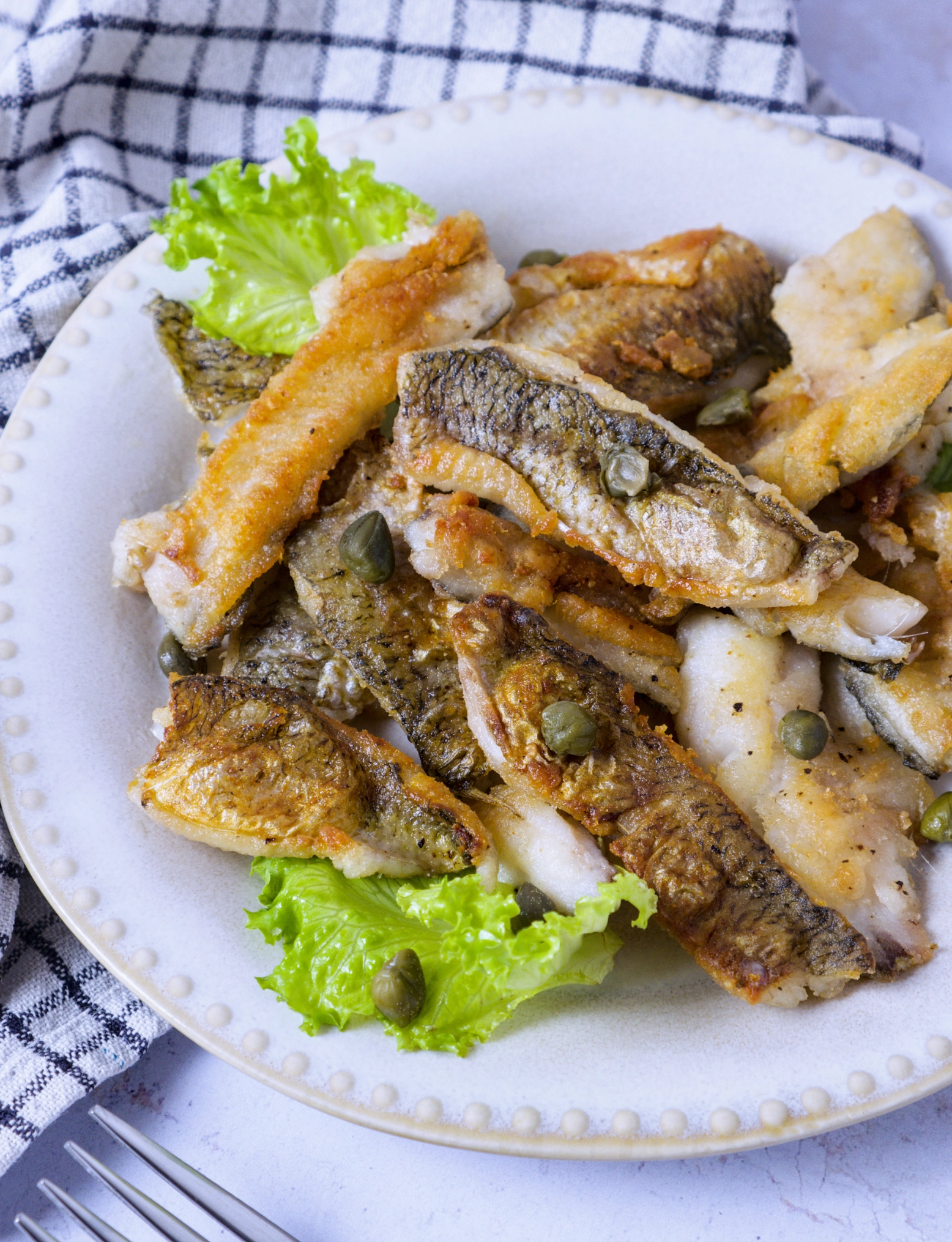
Fried roach turns out to be about as French countryside as food gets. This morning my neighbour Jacky told me he was going fishing and asked if I’d like some of the catch. Of course I would! Roach is typical of the rivers around here, yet I’d never cooked it, so I spent the whole day waiting for him to come back.
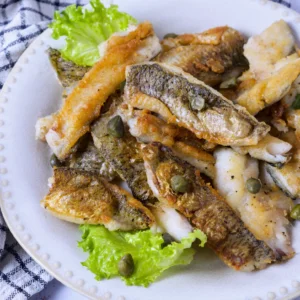
Jacky kindly gutted the fish for me, so all I had to do was fillet them and heat up a pan, and that was dinner. An absolutely lovely one that I will not forget and make again!
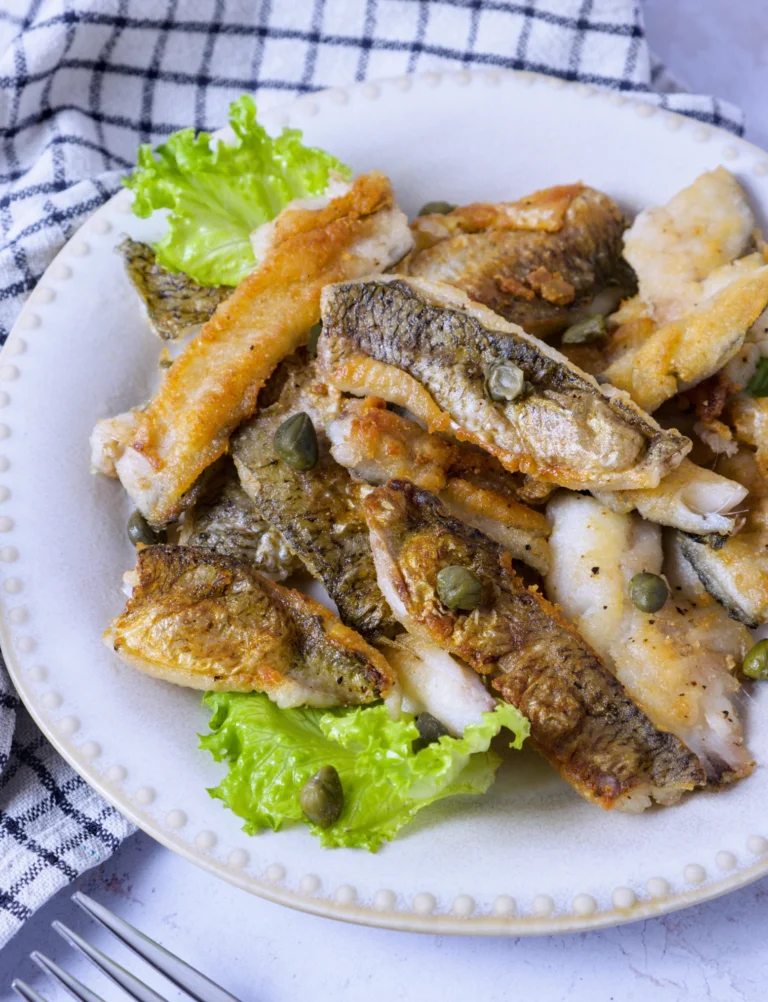
The flesh is white, soft and mild, with a faint sweetness that reminds me a little of sea bream. The capers bring a sharp, salty pop and the lemon keeps it all bright.
Table of Contents
Where fried roach comes from
The common roach or “gardon” lives in almost every river, canal and pond in France, so for generations it was the fish that ended up on the table after a Sunday on the riverbank. Nobody bought it. Somebody’s uncle, or in my case, my neighbour caught it.
From the Belle Époque right up to the 1960s, the riverside “guinguettes” of the Loire and the Loiret were where Parisians and locals went to dance, row and eat. The dish everyone ordered was the friture: a basket of small river fish, usually fried whitebait, gudgeon and bleak, floured and fried, eaten with slices of buttered brown bread and a glass of local white wine. Roach has always been part of that family of white river fish, and today a “friture de Loire” is often a mix of whatever the fishermen brought in.
The tiny ones are fried whole and eaten bones and all. Larger roach, like the ones in this recipe, are the ones I like to fillet as they have a lot of bones. And the lemon and caper finish is a nod to the classic French butter sauces for fish, just lighter and quicker.
Ingredients
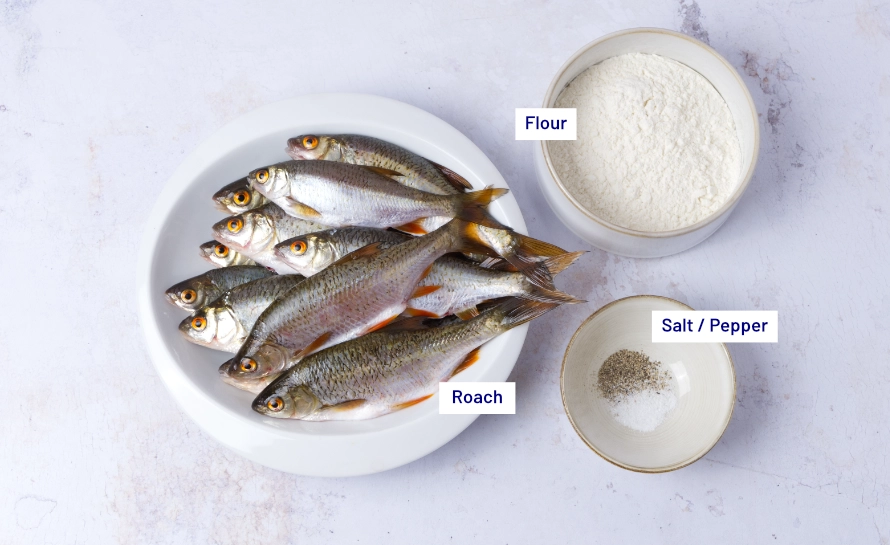
- Roach – Smaller fish, around 15 to 20cm, are the best to eat. Bigger roach that live on muddy pond bottoms can taste of silt. Scale and gut them, then take off the fillets but keep the skin on.
- Plain flour – A light dusting only, for a thin golden crust.
- Oil – A neutral oil with a high smoke point, like sunflower or rapeseed.
- Lemon – Fresh, squeezed in at the end. Bottled won’t do the same job.
- Capers – Small ones in brine, drained. The little nonpareilles are my favourite here.
- Salt and pepper – For seasoning the fillets.
How to make fried roach
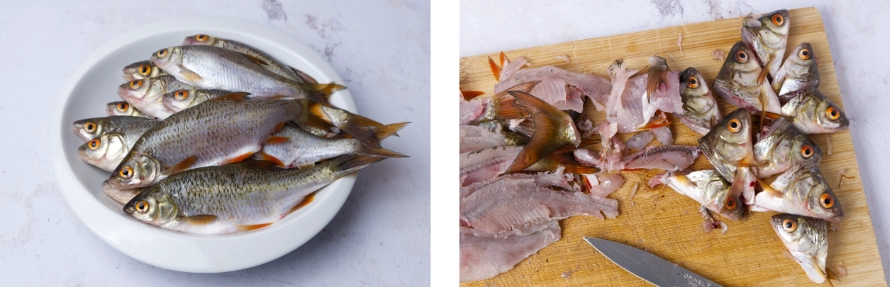
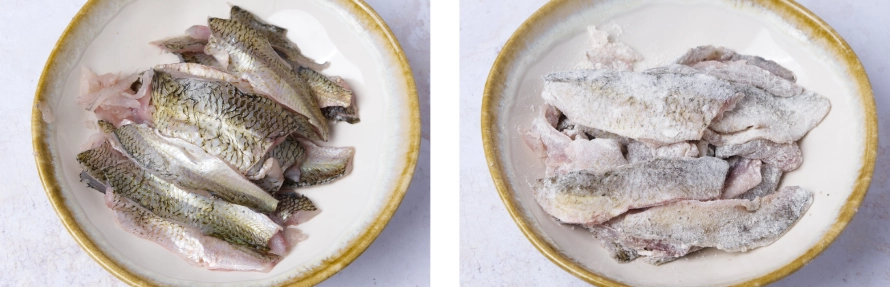
1. Fillet and flour
Take the fillets off each fish, keeping the skin on. Pat them dry with kitchen paper, season, and dust them lightly in flour, shaking off the excess. Dry fish means crisp skin, so don’t rush this bit.
2. Fry and finish
Heat the oil in a large frying pan until it’s properly hot, then lay the fillets in without crowding them. Fry until golden and crisp on both sides. They cook fast, so stay by the pan. At the end, add the capers and squeeze the lemon juice over, give everything a quick toss, and serve straight away.
Tools for this recipe
Check out my favorite kitchen essentials and cookware!
- Use a large frying pan so the fillets have room to fry rather than steam.
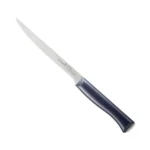
- Use a filleting knife with a thin, flexible blade to follow the backbone cleanly on such small fish.
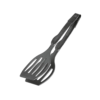
- Use a double spatula to turn the fillets without breaking them.
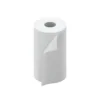
- Use kitchen paper to dry the fillets before flouring and to drain them after frying.
Tips for success
- Dry the fillets properly: any moisture turns the flour to paste and the skin stays soft. Kitchen paper, both sides.
- Get the oil hot before the fish goes in: a fillet dropped into lukewarm oil soaks it up and goes greasy. It should sizzle the moment it touches the pan.
- Fry in batches: too many fillets at once and the oil temperature drops. Keep the first batch warm in a low oven with the door slightly open.
- Don’t worry about the fine bones: roach is a bony fish and the fillets will have a few small ones left in. Fried crisp, most of them soften, and the rest are easy to lift out as you eat.
- Add the lemon and capers last: right at the end, so the capers stay plump and the lemon stays fresh.
How to store it
- Fried roach is best eaten within minutes of leaving the pan, while the skin still crackles. Raw, cook it the day it’s caught or bought.
- Leftovers keep covered in the fridge for a day. Reheat the fried river fish on a tray in a hot oven for a few minutes rather than in the microwave, which makes the coating soggy. I wouldn’t freeze it once cooked.
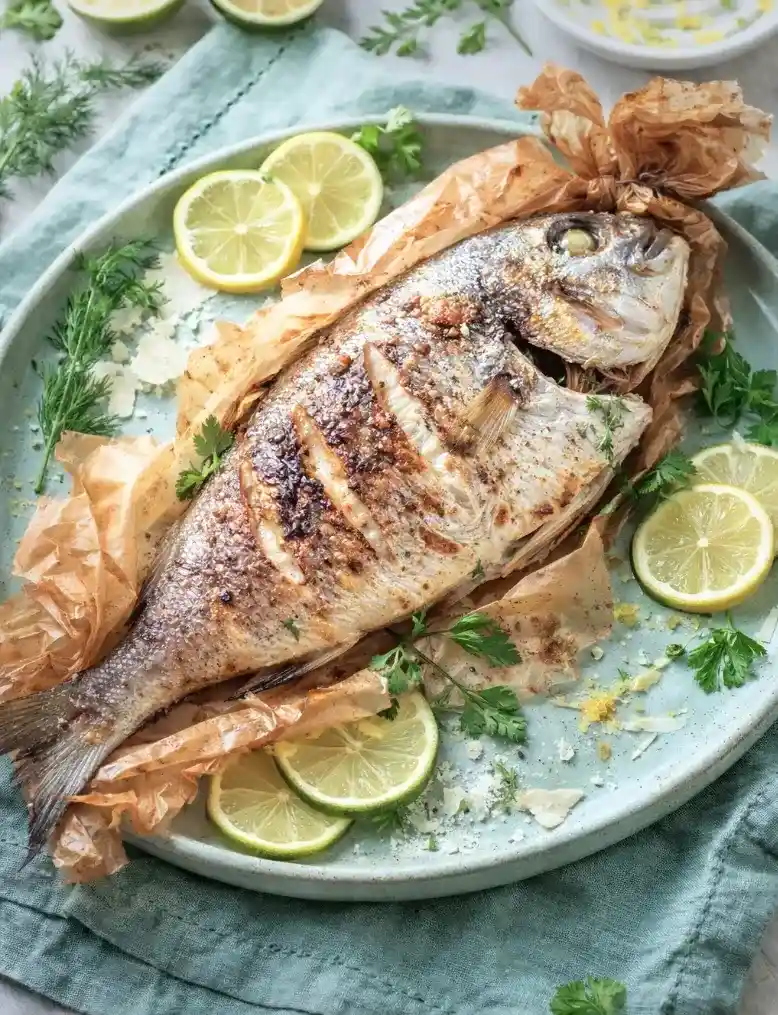
More fish recipes to try
Variations
- Friture whole: for very small roach, most people here skip the filleting. Gut them, flour them whole and fry until crisp, then eat them bones and all, the way the guinguettes do!
- Score them: for medium fish cooked whole, cut close shallow slashes along the back down to the backbone, so the heat gets in and softens the fine bones.
- Brown butter instead of oil: fry in butter and a splash of oil, then let the butter turn nutty before the capers go in, for a richer finish closer to a meunière.
- Parsley and garlic: a spoonful of persillade scattered over at the end.
- Serve it properly: with boiled new potatoes or my persillade potatoes, a green salad, and a glass of any crisp Loire white wine.
FAQ
Can you eat roach fish?
Yes. Roach is eaten all over France, where it’s called “gardon”, and it’s been a riverside favourite for generations. The flesh is white, soft and mild. Choose smaller fish, around 15 to 20cm, from clean rivers rather than muddy ponds, and cook them the same day they’re caught.
What does roach taste like?
Mild and slightly sweet, closer to bream than to anything strongly fishy. Fish from ponds with muddy bottoms can have an earthy taste, which is why smaller river roach are the ones to keep for the pan.
Is roach fish bony?
It is, which is the main reason people hesitate. Filleting removes the backbone, and frying the fillets crisp softens most of the fine bones that remain. Very small roach are fried whole and eaten bones and all.
How do you get rid of the muddy taste in roach?
Start with smaller fish from running water. Some French cooks also soak the cleaned fish in milk for about 15 minutes in the fridge before flouring, then drain and dry them well.
What is roach called in French?
“Gardon”. A plate of small fried river fish is called a friture, and on the Loire you’ll see it on menus as “friture” de Loire.
How to fry river fish?
Fillet the fish, dust the fillets lightly in flour and fry them in hot oil until golden, then finish with lemon juice and capers. It’s quick, and the crisp skin is the best part!


 Prep Time 15 minutes
  Cook Time 8 minutes
  Total Time 23 minutes
  Servings 2
Description
Ingredients
- 20 roach about 15–20cm each, scaled and gutted
- 4 tbsp plain flour
- 4 tbsp vegetable oil
- ½ lemon juiced
- 1 tbsp capers drained
- salt and black pepper
Instructions
1. Fillet the fish
- Take the fillets off each roach, keeping the skin on.
2. Flour
- Pat the fillets dry with kitchen paper. Season with salt and pepper, then dust lightly in flour and shake off the excess.
3. Fry
- Heat the oil in a large frying pan until hot. Lay the fillets in without crowding and fry until golden and crisp on both sides, a few minutes in total. Work in batches if needed.
4. Finish
- Add the capers to the pan and squeeze over the lemon juice. Toss briefly and serve straight away on a few lettuce leaves.
Notes
- Choose small roach, 15 to 20cm, from rivers rather than ponds.
- Dry the fillets well before flouring, or they won’t crisp.
- Don’t crowd the pan. Fry in batches and keep the first lot warm.
- Lemon and capers go in last, right at the end.
Share your feedback and spread the love!
If you try this recipe, I’d love to hear how it turns out! Leave a ★★★★★ rating and your thoughts in the comments, it helps fellow French foodies discover this recipe too. Snap a photo and tag @obviously.french on Instagram. Come talk about it in our Facebook group. And don’t forget to save this recipe to Pinterest so you’ll always have it handy for your next French-inspired meal!