 January 13, 2026
Disclosure: This post may contain affiliate links which provide us a small commission when used for purchase. Please read my disclosure policy for more information. I am grateful for your support!
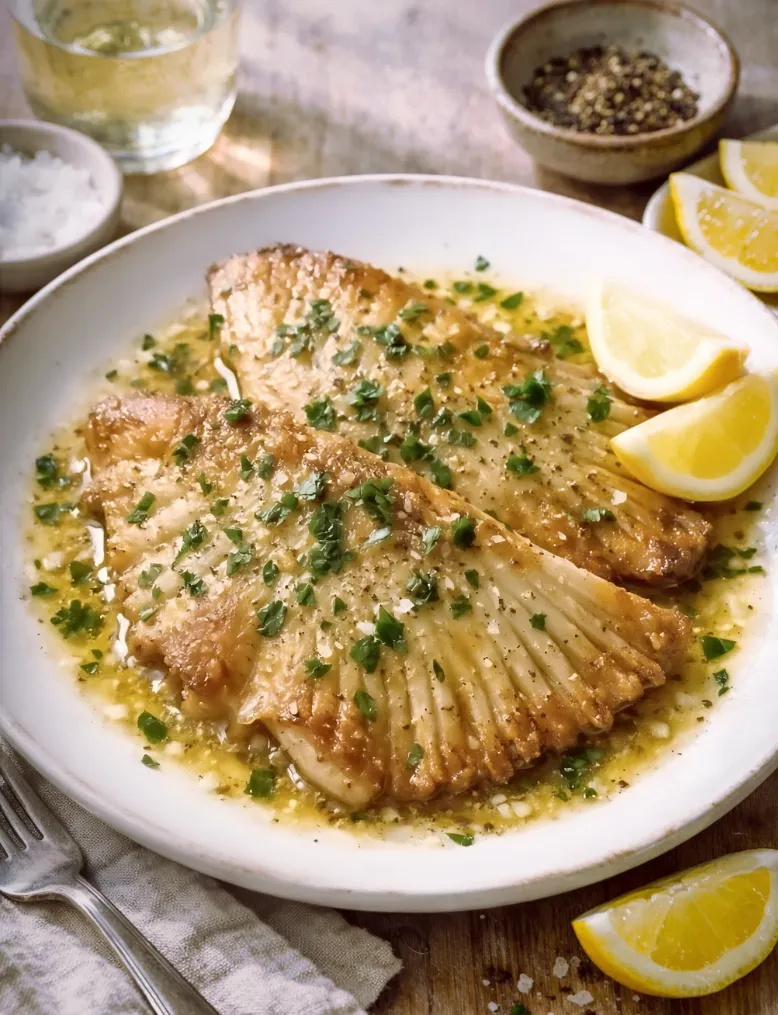
A chef friend gave me my first taste of skate wing. I’ll admit it felt a bit odd at first, since I’d never even heard of it. But the moment I tried it, I understood why people get excited about this fish.
The flavour is mild and slightly sweet, closer to scallops or crab than anything you’d call fishy. And the texture is unlike any other fish: it doesn’t flake, it pulls away from the cartilage in long, sweet strands. It soaks up butter as though it were designed for it!
Table of Contents
Where skate wings comes from
Skate has been part of French coastal cooking for centuries, especially in Brittany and Normandy, where it came off the boats daily. It was historically the cheap, overlooked fish next to more glamorous catches, but French cooks knew exactly what they had: a gentle sweetness and a knack for carrying butter sauces that made it a natural for classic technique.
The most famous version is raie au beurre noir, skate with black butter and capers. This simpler way, a dusting of flour, a hot pan, brown butter, parsley, lemon, follows the same logic as sole meunière. The difference is that skate is meatier, more forgiving in the pan, and to many people more satisfying to eat!
Buying skate: what to ask for
One thing worth knowing: “skate wing” is a catch-all name covering several different ray species, and a skinned wing looks much the same whichever it came from. Thornback ray is the one you want, and it’s what most skate wings are. So just ask your fishmonger which species it is, they’ll know, and a good one will be pleased you asked.
Ingredients
- Skate wings – Ask for thornback, sustainably sourced, and ask the fishmonger to skin them.
- Butter – It fries the fish and then becomes the sauce. Use a good French butter and plenty of it.
- Plain flour – A light dusting, for a thin golden crust and to help the butter cling rather than slide off.
- Parsley – Flat-leaf, chopped, scattered at the end. It cuts the richness.
- Lemon – Wedges to serve. Essential, since the acidity slices through all that butter.
- Salt and pepper – Seasoned before the flour goes on.
How to make skate wing in butter
1. Prep and fry
Pat the wings completely dry (this is the difference between golden and grey), season, and dust lightly with flour. Melt half the butter in a large pan over medium-high heat until it foams and smells nutty, then lay the wings in, prettiest side down. Leave them alone for five or six minutes to build a proper golden crust, then turn once with a wide spatula and give them another four or five. The flesh should pull easily from the cartilage.
2. Butter, parsley, lemon
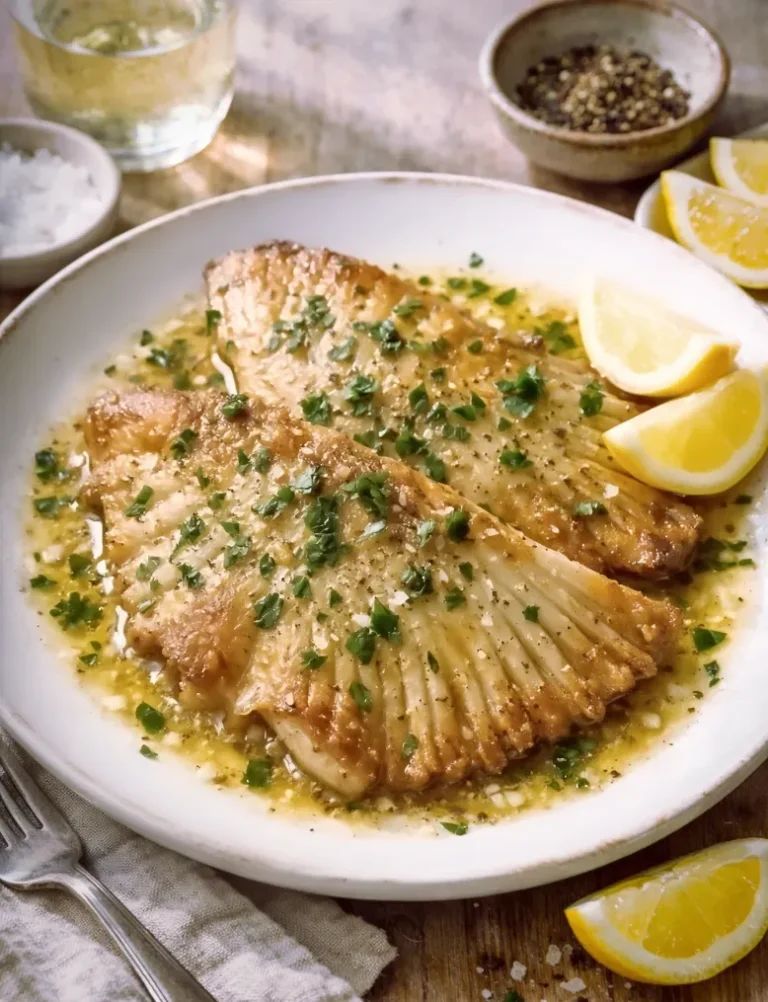
Add the rest of the butter and let it foam around the fish, spooning it over for a minute. This second hit of butter is what makes the dish, it soaks in and gives that glossy, bistro finish. Then onto warm plates, pour the pan butter over the top, scatter with parsley and flaky salt, and serve at once with lemon wedges.
Tools for this recipe
Check out my favorite kitchen essentials and cookware!
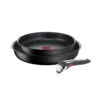
- Use a non-stick frying pan so you can lift the delicate wings without tearing them, or a carbon steel pan if you want better browning and are confident with butter.
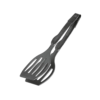
- Use a double spatula to turn the wings in one clean movement.
- Use bamboo kitchen paper to pat the fish bone-dry before flouring, the single biggest factor in getting it golden.
Tips for success
- Pat the fish completely dry: wet skate steams instead of crisping, and the flour goes claggy. Kitchen paper, both sides, properly.
- Get the pan hot first: the butter should foam and smell nutty before the fish goes in. A cool pan means a pale, soggy coating instead of a golden crust.
- Leave it alone: once the wing is in the pan, don’t fiddle. Five or six minutes undisturbed builds the crust. Turn it once and once only.
- Watch the butter: you want golden and nutty, not burnt. If it’s browning too fast, drop the heat a little. Burnt butter is bitter and there’s no rescuing it.
- Don’t crowd the pan: if the wings overlap they steam rather than fry. Use a big pan, or cook them one at a time and keep the first warm.
How to store it
- Skate is a cook-it-and-eat-it fish, and more so than most: it doesn’t keep well raw (it deteriorates fast, which is why you buy it and cook it the same day), and it’s at its best the moment it leaves the pan, hot and golden with the butter still foaming.
- If you do have leftovers, keep them covered in a glass container the fridge for a day at most. Warm them gently in a low oven rather than a hot pan or the microwave, which toughens the flesh. Honestly, though, cold flaked skate is rather lovely in a salad the next day, so I’d go that way instead.
- Don’t freeze it once cooked. And I wouldn’t buy frozen skate to begin with; freshness is the whole point with this fish.
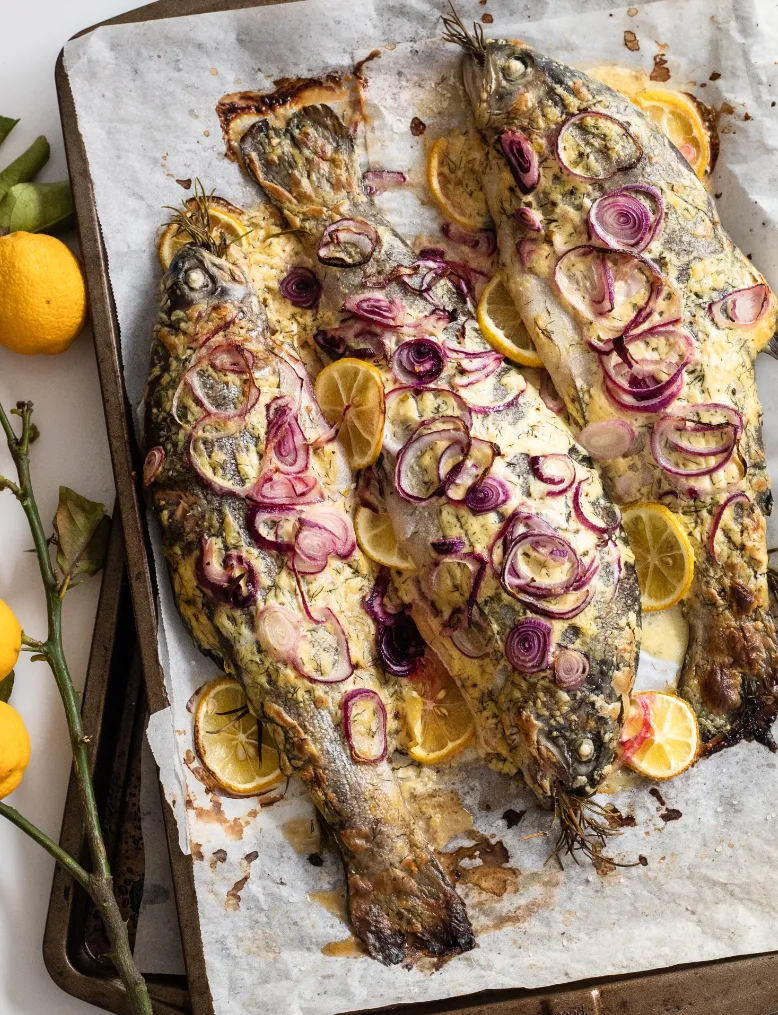
More fish recipes to try
Variations
- Raie au beurre noir: the classic: add capers and a splash of vinegar to the browned butter for the traditional black butter version.
- Add brown shrimps or cockles: scattered into the butter at the end, very Norman, and lovely with the sweet flesh.
- Add capers and lemon: a spoonful of capers in the butter with the parsley, for a sharper, more piquant finish.
- Beurre noisette with almonds: toasted flaked almonds in the brown butter, à la grenobloise in spirit.
- Serve it with potatoes: boiled new potatoes tossed in some of the pan butter, or my persillade potatoes, which are made for a dish like this.
FAQ
What is skate fish?
Skate is a flat, diamond-shaped ray caught in the Atlantic and the Channel. What you eat are the wings, the large pectoral fins. The flesh is unusual: instead of flaking, it pulls away from the cartilage in long, sweet strands. The flavour is mild and slightly sweet, closer to scallops or crab than to most fish.
How do I know if skate is fresh?
Fresh skate barely smells of fish at all, just a clean, faint scent of the sea. Any strong fishy smell, and especially any hint of ammonia, means it isn’t fresh. Skate deteriorates faster than most fish after being caught, so buy it from a good fishmonger, ask when it came in, and cook it that day.
What’s the best way to cook skate wings?
Pan-fried in butter. Pat the wings dry, season, dust lightly with flour, and fry in foaming butter in a hot pan for about 5 minutes a side, until golden and the flesh pulls from the cartilage. Then add more butter, let it brown, and pour it over with parsley and lemon.
Do I need to skin skate wings?
Yes, but ask your fishmonger to do it. Skate skin is tough and often covered in thorns, so it’s a difficult and genuinely painful job at home. Most fishmongers will do it in seconds. Skinned wings should look clean and white.


 Prep Time 10 minutes
  Cook Time 12 minutes
  Total Time 22 minutes
  Servings 2
Description
Ingredients
- 2 skate wings about 200-250g each, skinned
- 3 tbsp plain flour
- 80 gr unsalted butter
- 1 handful flat-leaf parsley
- salt and black pepper
- 1 lemon cut into wedges
Equipment

Instructions
1. Prep the skate
- Pat the wings completely dry with kitchen paper. Season both sides generously with salt and pepper. Put the flour on a plate and dust each wing lightly on both sides, shaking off the excess.
2. Heat the pan
- Melt 40g of the butter in a large frying pan over medium-high heat. When it foams and smells nutty, you're ready.
3. Fry
- Lay the wings in prettiest side down. Cook for 5 to 6 minutes without moving them, until golden. Turn once with a wide spatula and cook another 4 to 5 minutes, until the flesh pulls easily from the cartilage.
4. Add more butter
- Add the remaining 40g butter. Let it melt and foam around the fish, basting with a spoon for a minute or so.
5. Finish and serve
- Transfer to warm plates. Pour the buttery pan juices over, scatter with parsley and a pinch of flaky salt, and serve immediately with lemon wedges.
Notes
- Ask your fishmonger to skin it for you. Skinned skate wings should look clean and white.
- Some recipes use cornflour for an even crispier crust, but plain flour is traditional and works brilliantly.
- Use a pan big enough to fit both wings without crowding. If they overlap, they’ll steam rather than fry. Cook in batches if needed.
- Watch the butter carefully. If it starts to go brown too quickly, lower the heat slightly. You want golden and nutty, not burnt.
Share your feedback and spread the love!
If you try this recipe, I’d love to hear how it turns out! Leave a ★★★★★ rating and your thoughts in the comments, it helps fellow French foodies discover this recipe too. Snap a photo and tag @obviously.french on Instagram. Come talk about it in our Facebook group. And don’t forget to save this recipe to Pinterest so you’ll always have it handy for your next French-inspired meal!