 October 8, 2025
Disclosure: This post may contain affiliate links which provide us a small commission when used for purchase. Please read my disclosure policy for more information. I am grateful for your support!
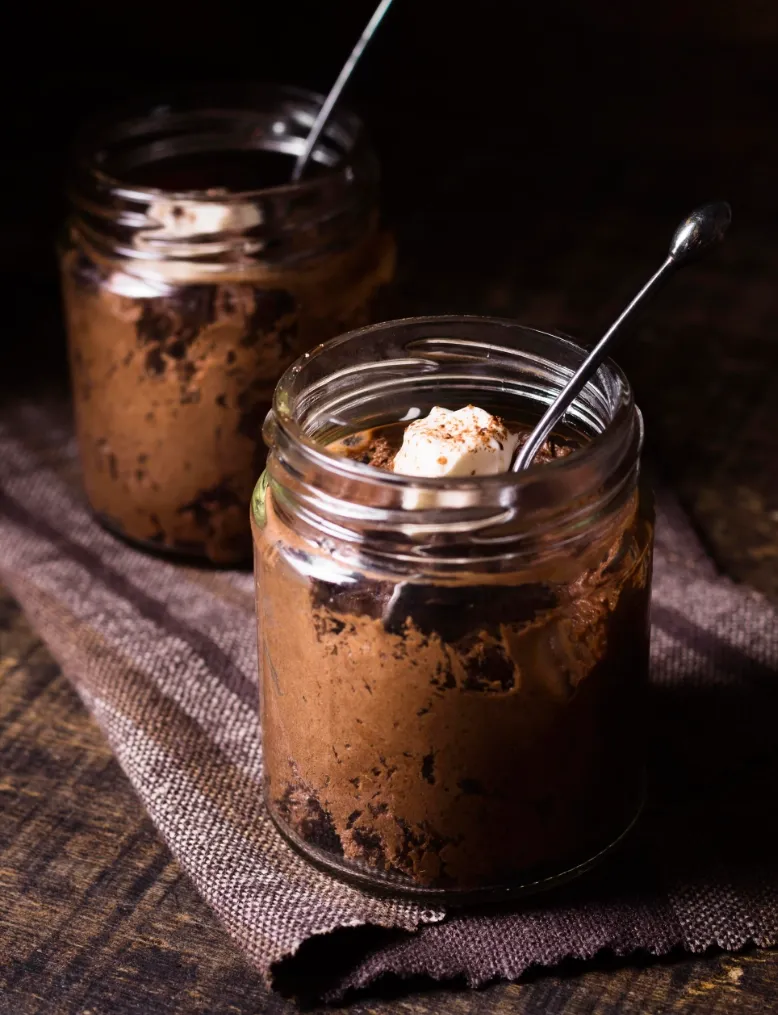
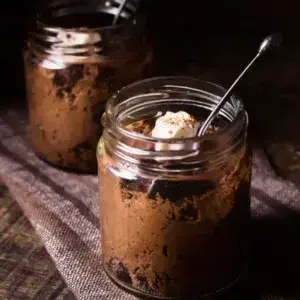
Sometimes you just crave intense chocolate, don’t you? When I get that urge, often out of the blue in the middle of a film, I ask my husband if he minds waiting 25 minutes. He never does, because he knows there’s always a reward at the end, in this case, chocolate mousse. I always add homemade whipped cream on top. I know, double the calories, but so delicious and worth every spoon.
It’s a classic French dessert that everyone knows, but have you ever made one from scratch? Your only real rule is to pick a good chocolate, and you’re away.
Table of Contents
Where chocolate mousse comes from
The dessert’s early history is well documented, if a little tangled. The chef Menon described a mousse de chocolat in 1755, though at the time the term also meant the froth on a cup of hot chocolate. Around the same era, Charles Fazi, a Swiss cook to Louis XVI, is credited with an early chocolate mousse, and in 1820 the cook Viard published a full recipe in his Cuisinier Royal, which is really what brought it into home kitchens.
Then there’s the good story. The most persistent legend gives the modern mousse to the painter Henri de Toulouse-Lautrec, who was a serious cook as well as an artist. He supposedly called his version mayonnaise au chocolat, which makes more sense than it sounds: both mousse and mayonnaise are egg-based emulsions, rich and creamy. Whether he invented it or just made it famous is impossible to say, and printed mousse recipes exist from well before his time, but he’s a more entertaining origin than a Swiss court cook, which is probably why the story stuck. The dessert reached America at a New York food exposition in 1892, and its mid-20th-century fame owes a lot to Julia Child’s Mastering the Art of French Cooking.
Ingredients
- Dark chocolate (70%) — the whole foundation, so buy good stuff. It needs to be at least 70% cocoa: milk chocolate is too sweet and doesn’t have the structure to set the mousse, while dark gives depth, a little bitterness, and a mousse that holds its shape and tastes of something.
- Eggs — separated. The whipped whites are what make it a mousse (the air), and the yolks enrich the chocolate base. Use the freshest you can, since they stay raw.
- Caster sugar — whisked with the yolks for sweetness and a smooth, creamy base. Fine caster sugar dissolves cleanly.
- Butter — unsalted, for richness and a glossy, melting texture. It’s part of what gives the set its silkiness.
- Vanilla (optional) — a quiet backnote that rounds out the chocolate. Leave it out if you want the cocoa unadorned.
- Salt — a pinch in the whites helps them whip, and a little lifts the chocolate flavour.
How to make chocolate mousse
1. Melt the chocolate and butter
Chocolate and butter together in a bowl over barely simmering water, stirred until smooth, then off the heat to cool a little. Rush this over direct heat and you’ll catch the chocolate, there’s no coming back from that.
2. Make the yolk base
Whisk the yolks with the sugar until pale and creamy, add the vanilla if using, then fold into the slightly-cooled chocolate. If the chocolate’s too hot here, it’ll scramble the yolks, so let it cool first.
3. Whip the whites to stiff peaks
Clean bowl, pinch of salt, and whip until they hold firm, glossy peaks. Any grease or yolk in the bowl and they won’t whip, so this is the one place to be fussy.
4. Fold, don’t stir
Stir in the first third of the whites to loosen the mix, then fold the rest in gently in two goes. This is the whole game of a mousse, deflate it now and it sets heavy. Stop the moment it’s combined.
4. Chill properly
Into glasses or bowls, cover, and refrigerate at least 3–4 hours, ideally overnight. The foam needs time to stabilise, and it genuinely tastes better the next day.
Tools for this recipe
Check out my favorite kitchen essentials and cookware!
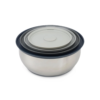
- Use a double boiler set over a pan of simmering water as your bain-marie, so the chocolate melts gently from steam rather than catching on direct heat.
- Use a heat-resistant spatula to stir the chocolate.
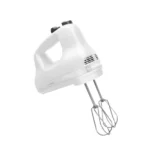
- Use an electric mixer to get the egg whites to stiff, glossy peaks, which is what gives the mousse its air.
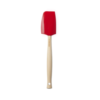
- Use a flexible spatula to fold the whites in gently and scrape the bowl clean without knocking out the air.
Tips for success
- Use good 70% dark chocolate, it’s most of the flavour, so it’s worth spending on.
- Make sure the bowl for the whites is spotlessly clean and grease-free, or they won’t whip up.
- Let the melted chocolate cool slightly before adding the yolks, so they don’t scramble.
- Fold gently and stop as soon as it’s combined, overworking is what makes a heavy mousse.
- Make it the day before. It sets better and tastes better after a night in the fridge.
How to store it
- In the fridge: Keep covered for up to 3 days. It’s at its best from the second day, once the foam has stabilised. Cover well, as chocolate readily picks up other fridge smells.
- Serving ahead: This is a dessert that wants to be made ahead, portion it into glasses, cover, and chill overnight so it’s ready to bring straight to the table.
- In the freezer: You can freeze it for a frozen-mousse texture (rather like a semifreddo), which is nice in its own right, but it won’t return to the same airy set once thawed. If you go this route, serve it still part-frozen.
More dessert recipes to try
Variations
- Orange or coffee: a little orange zest or a shot of strong espresso in the chocolate plays beautifully against the dark cocoa.
- A splash of spirit: a spoon of brandy, rum or Grand Marnier stirred into the base is a classic French touch.
- Less sugar: the sugar here is seasoning, not structure (the whipped whites and chocolate do the setting), so it cuts easily. Take it down to 30g, or leave it out and lean on a higher-percentage chocolate, the mousse will be more bittersweet and grown-up. If anything, a flaky pinch of salt on top flatters a less-sweet version.
- Dairy-free: use dairy-free dark chocolate and swap the butter for a firm coconut oil or a vegan block. For fully egg-free, a whipped aquafaba mousse is a different recipe but a genuinely good one.
FAQ
What chocolate is best for chocolate mousse?
Good-quality dark chocolate at 70% cocoa. It has the structure to set the mousse and a depth that milk chocolate, being sweeter and softer, can’t give.
Why is my chocolate mousse dense and not airy?
Almost always overfolding, or whites that weren’t stiff enough. Whip the whites to firm, glossy peaks and fold them in gently, stopping the moment they’re combined, so you don’t knock out the air.
Is it safe to eat chocolate mousse with raw egg?
This classic French version uses raw egg. Use very fresh or pasteurised eggs, and avoid it if you’re pregnant, elderly, feeding young children, or otherwise concerned about raw-egg safety.
How long does chocolate mousse need to set?
At least 3–4 hours in the fridge, and ideally overnight. The extra time lets the foam stabilise and the texture improve, so it’s a good make-ahead dessert.
Can I make this easy chocolate mousse ahead of time?
Yes, it’s better for it. Make it the day before, keep it covered in the fridge, and it’ll be perfectly set and even tastier by the time you serve it.


 Prep Time 25 minutes
  Total Time 25 minutes
  Servings 4
Description
Ingredients
- 200 gr dark chocolate good quality, 70% cocoa
- 4 eggs
- 50 gr caster sugar
- 100 gr unsalted butter
- 1 tsp vanilla extract optional
- 1 pinch salt
Equipment
Instructions
1. Melt the chocolate and butter
- Place the dark chocolate and butter in a heatproof bowl over a saucepan of simmering water (bain-marie). Stir gently until fully melted and smooth. Remove from the heat and allow to cool slightly.
2. Whisk the egg yolks and sugar
- In a separate bowl, whisk the egg yolks and caster sugar until pale and creamy. Add the vanilla here if using. Gently fold this into the melted chocolate and butter until thoroughly combined.
3. Beat the egg whites
- In a clean bowl, add a pinch of salt to the egg whites and whisk to stiff, glossy peaks.
4. Fold the egg whites into the chocolate mixture
- Add one-third of the whites to the chocolate and stir to lighten it. Then gently fold in the rest in two additions, taking care not to deflate the mousse.
5. Chill the mousse
- Spoon into serving bowls or glasses, cover, and refrigerate for at least 3–4 hours, or until set and airy.
6. Serve
- Serve chilled, optionally topped with a dusting of cocoa or a dollop of lightly whipped cream.
Notes
- For the best results, use the freshest eggs possible.
- The mousse has raw eggs, so avoid if pregnant or if concerned about egg safety.
- Folding in the egg whites gently preserves the airy texture that defines this classic dessert.
Share your feedback and spread the love!
If you try this recipe, I’d love to hear how it turns out! Leave a ★★★★★ rating and your thoughts in the comments, it helps fellow French foodies discover this recipe too. Snap a photo and tag @obviously.french on Instagram. Come talk about it in our Facebook group. And don’t forget to save this recipe to Pinterest so you’ll always have it handy for your next French-inspired meal!