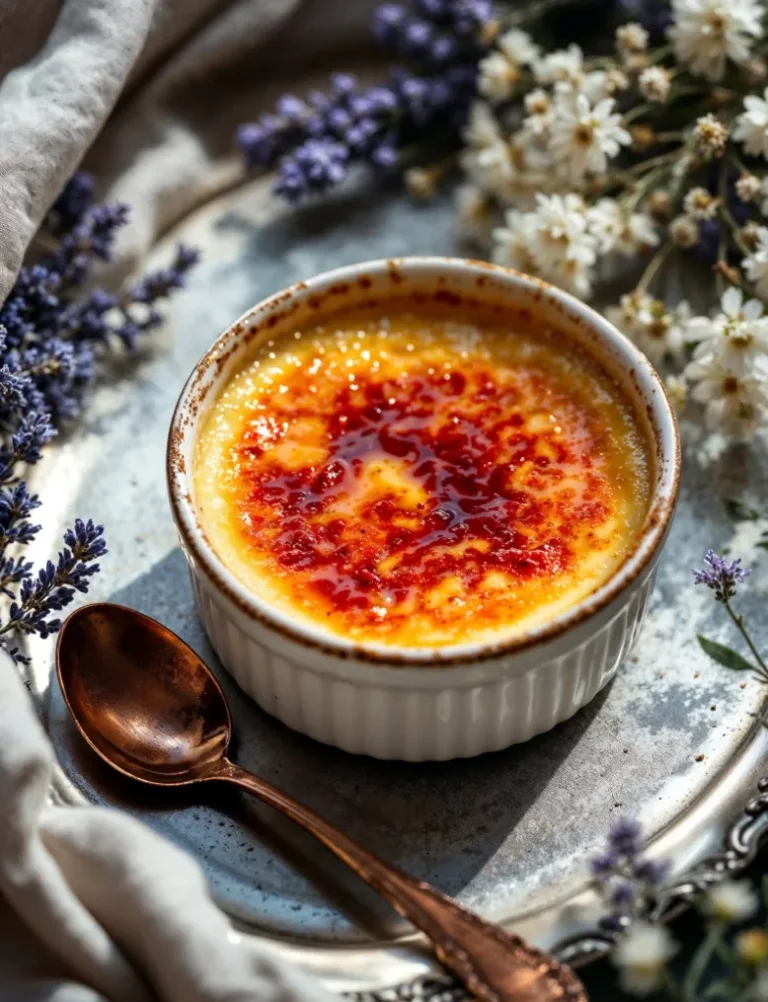
Crème Brûlée
 Prep Time 15 minutes
  Cook Time 1 hour
  Total Time 1 hour 15 minutes
  Servings 4
Ingredients
- 500 ml Double cream
- 1 vanilla pod
- 5 egg yolk
- 100 gr caster sugar plus extra for caramelizing
Equipment

Instructions
1. Prepare the vanilla cream
- Split the vanilla pod lengthwise and scrape out the seeds. In a saucepan, combine the double cream, vanilla seeds, and pod. Gently heat the mixture until it just starts to simmer, then remove from heat and let infuse for 15 minutes to absorb the vanilla flavour.
2. Whisk the egg yolks and sugar
- In a mixing bowl, whisk together the egg yolks and caster sugar until the mixture becomes pale and smooth but not frothy.
3. Combine the cream and egg mixture
- Remove the vanilla pod from the cream. Slowly pour the warm cream into the egg yolk mixture, stirring constantly with a spatula to avoid cooking the eggs. Mix until fully combined.
4. Strain the custard (optional)
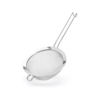
- For an extra smooth texture, strain the custard through a fine sieve into another bowl to remove any cooked bits of egg or vanilla pod residue.
5. Pour and bake
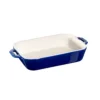
- Divide the custard evenly into the ramekins. Place the ramekins in a baking dish and add hot water to the dish until it reaches halfway up the sides of the ramekins, creating a water bath. Bake in a preheated oven at 150°C (300°F) for about 50–60 minutes, until the custard is just set but still slightly wobbly in the centre.
6. Cool and chill
- Remove ramekins from the water bath and let cool to room temperature. Cover with cling film and refrigerate for at least 4 hours, preferably overnight, to fully set.
7. Caramelize the sugar topping
- Before serving, sprinkle a thin, even layer of caster sugar over the surface of each custard. Using a kitchen blow torch, carefully caramelize the sugar until it bubbles and turns a golden brown crust. If you don’t have a torch, place ramekins under a hot grill for 2–3 minutes watching closely to avoid burning.
Notes
- For the smoothest custard, avoid whisking air into the eggs and cream mixture.
- Use a spatula gently to combine.
- Let the cream infuse properly with the vanilla to get that trademark aromatic flavour.
- The top sugar should be thin so it cracks perfectly when you tap it with the spoon.
About this recipe
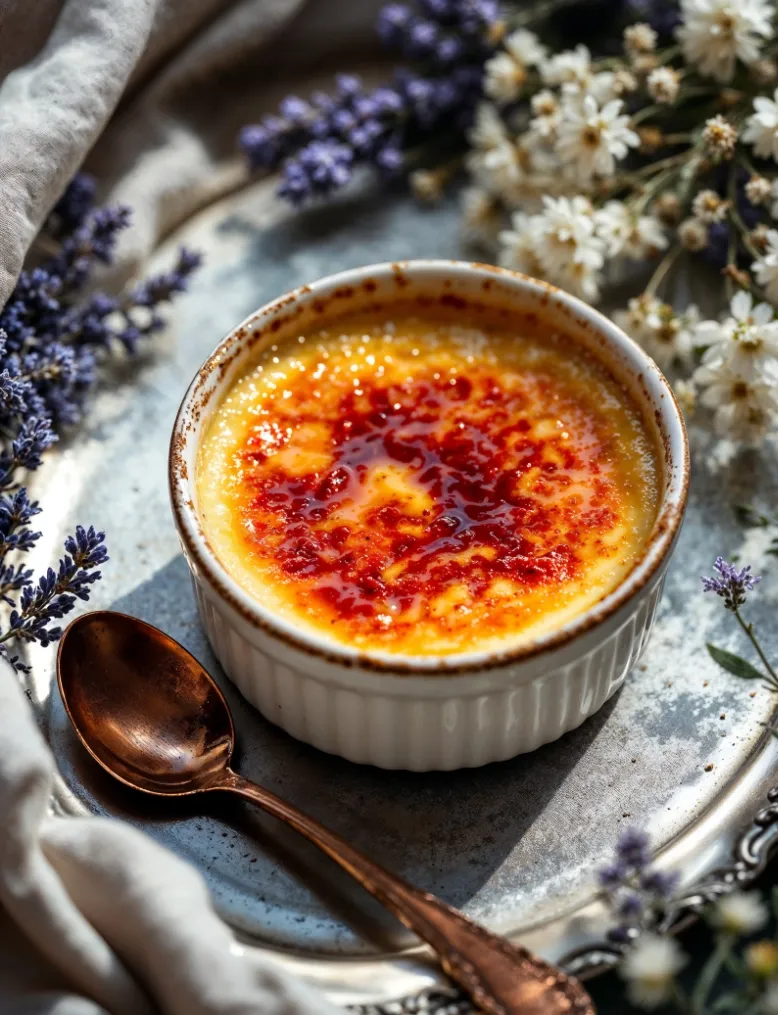
Crème brûlée is one of those desserts that looks like it requires professional skill and actually requires patience and a kitchen torch. The custard is four ingredients. The caramel is one. The technique is what you are learning, and once you have it, you will use it for the rest of your cooking life.
Where crème brûlée comes from
The earliest known crème brûlée recipe appeared in 1691 in a French cookbook by François Massialot, who cooked for the French nobility including the court of Louis XIV. The story goes that Massialot invented the dish by trying to warm up a cold custard for Philippe d’Orléans, the king’s brother, by melting sugar on top with a hot iron. That crackling, caramelised crust was the result of that improvisation.
France is not the only country with a claim to this style of dessert. Spain has its close cousin, Crema Catalana, which predates the French version and uses cornflour for thickening with lemon and cinnamon for flavour. The principle is the same: a set cream custard with a caramelised sugar crust on top. But the French crème brûlée recipe, with its pure vanilla custard and brittle caramel, is the version that became iconic worldwide.
What makes a proper creme brulee dessert
The custard in a proper creme brulee dessert is made from egg yolks, cream, sugar, and vanilla. Nothing else. The yolks set the custard. The cream provides the richness. The sugar sweetens. The vanilla gives it depth and fragrance. Get the ratio right and you get a custard that is silky, barely set, and trembles when you move the ramekin. Get it wrong and you get scrambled eggs in cream.
The key is temperature. The cream needs to be warm but not boiling when it goes into the yolks, and the custard needs to be baked in a water bath at a low, steady temperature. Both of these steps protect the eggs from the kind of direct heat that would cause them to curdle. Cooking creme brulee is essentially the same process as making any delicate egg custard. The difference is what happens on top.
Cooking creme brulee properly
The water bath, or bain-marie, is the most important technical step in cooking creme brulee. The water surrounds the ramekins with gentle, moist heat that stays below boiling regardless of the oven temperature, which prevents the custard from overheating and curdling. Without it, the edges of the custard overcook before the centre has set, giving you a texture that is grained and unpleasant rather than silky.
The custard is done when it wobbles as a single unit when the ramekin is gently shaken. If the centre ripples separately from the edges it needs more time. If it does not move at all it is overcooked. The target is that unified wobble that tells you the custard is set throughout but still soft and yielding.
Chill completely before adding the sugar. The caramel needs a cold, firm surface to form the brittle crust properly. Sugar torched over warm custard melts into the cream rather than forming a distinct layer.
The caramel
A thin, even layer of caster sugar, torched until uniformly amber, is the whole of the caramel step. The common mistake is applying too much sugar, which produces a thick layer that is too sweet and takes too long to caramelise, burning at the edges before the centre has set. A thin, even dusting is enough. Tap the ramekin to distribute it before torching.
The crack test is not complicated. A spoon tapped against the surface should meet clean resistance and then break through sharply. That sound, that physical sensation, is the entire point of a cream brulée and the moment that makes the work worthwhile.
The right ramekins
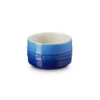
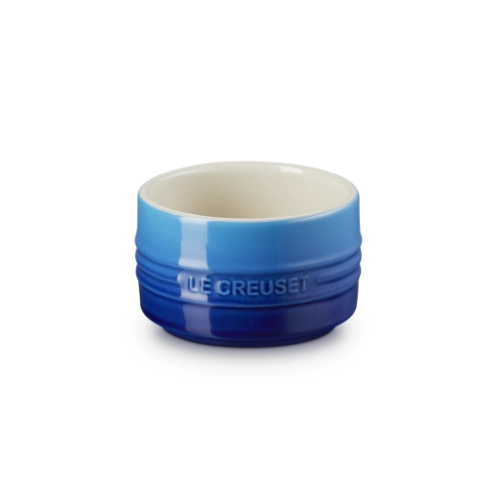
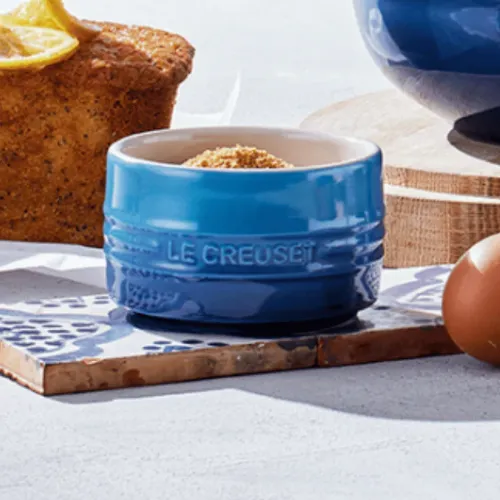
Crème brûlée needs ramekins that conduct heat evenly for baking and retain the cold well once chilled, keeping the custard firm whilst the caramel is torched on top. I use the Le Creuset ramekins for this crème brûlée recipe. The stoneware distributes heat gently and uniformly during the water bath bake, which gives you a consistent set across the entire surface of each custard. The depth is right for the classic shallow crème brûlée format, which gives you more caramel surface area relative to custard depth. And they go straight from oven to fridge to table without a second thought.
Variations worth trying
The classic vanilla version is the one to master first. Once you have the technique, the variations are straightforward. Coffee added to the cream before heating. Lavender infused and then strained out. Orange zest. A small amount of good dark chocolate melted into the hot cream. All of them work, all of them follow the same method, and all of them start with understanding what makes the plain version right.
Share your feedback and spread the love!
If you try this recipe, I’d love to hear how it turns out! Leave a ★★★★★ rating and your thoughts in the comments, it helps fellow French foodies discover this recipe too. Snap a photo and tag me @obviously.french on Instagram if you’re sharing your bake or cooking online. Don’t forget to save this recipe to Pinterest so you’ll always have it handy for your next French-inspired meal!
Disclosure: Just so you know, this post contains sponsored content and/or affiliate links, If you make a purchase through these links, I may receive a small commission. Doesn’t cost you anything extra. I only link to things that are actually worth your time. All opinions are my own!