Pain Perdu (Eggy Bread)

 Prep Time 10 minutes
  Cook Time 10 minutes
  Total Time 20 minutes
  Servings 4
Ingredients
- white bread old bread or brioche
- 3 egg
- 200 ml whole milk
- 50 ml heavy cream
- 50 gr sugar
- 25 gr unsalted butter for frying
- 1 tsp vanilla extract
- 1 splash Armagnac for an authentic French twist
- 1 pinch salt
Equipment




Instructions
1. Prepare the mix
- In a large bowl, whisk the eggs with sugar and a pinch of salt until combined. Add the milk, cream, and vanilla extract or Armagnac if using, then whisk again until smooth. This creates a rich custard base to soak the bread in.
2. Slice the bread
- Cut the bread or brioche into thick slices about 2–3 cm thick. Day-old or slightly stale bread works best as it absorbs the custard without falling apart. It can be done with fresh bread but it's often too soft and won’t hold the custard properly.
3. Soak the bread slices
- Soak each slice in the custard, ensuring both sides are well saturated but not soggy. Place the soaked slices on a plate and allow them to rest for a moment so the custard can settle into the bread.
4. Fry the pain perdu
- Heat the butter in a frying pan over medium heat until foaming. Add the soaked bread slices and fry for about 2–3 minutes on each side until golden brown. Turn carefully to maintain the shape and texture.
5. Serve immediately
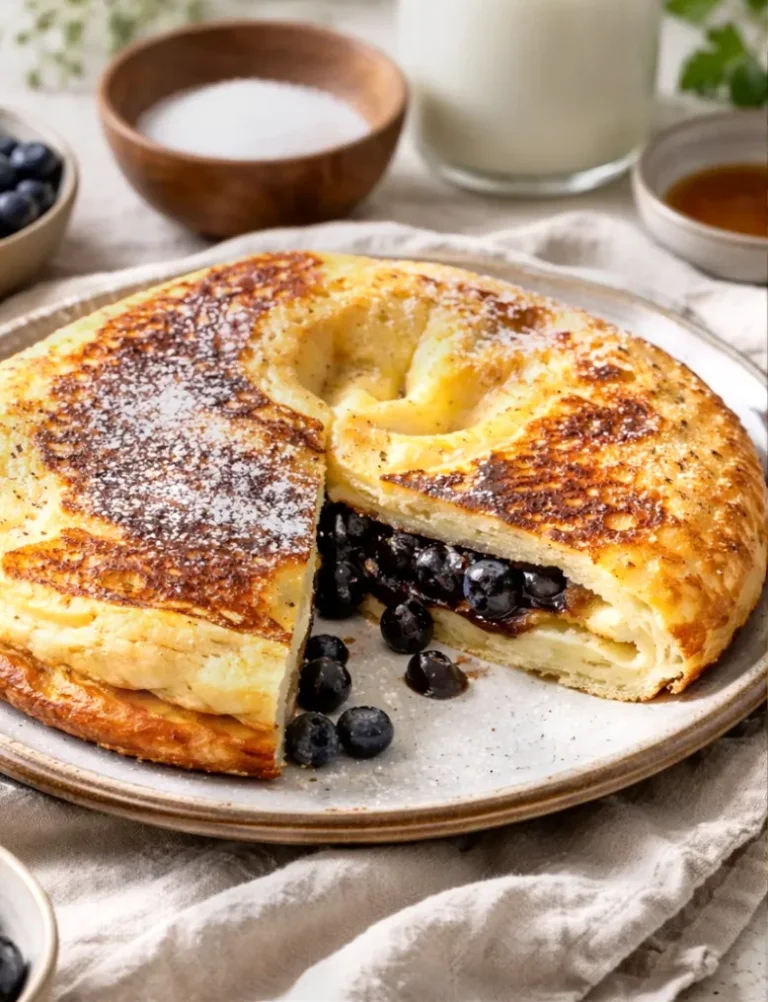
- Remove from the pan and serve straight away, dusting with a little sugar or icing sugar. Pain Perdu should be crisp on the outside and luxuriously soft on the inside for the perfect balance of textures!
Notes
- Using brioche or rustic white bread adds to the authenticity and texture, making this a special treat!
- For an adult twist, a splash of Armagnac or vanilla in the mix adds depth without overwhelming the dish.
- Traditionally, Pain Perdu was a smart way to rescue stale bread and prevent waste, giving it a delicious new life.
- Serve with a drizzle of good butter, fresh fruit, or simply dust with sugar.
About this recipe
Pain perdu means “lost bread” in French, and the name tells you everything about where this dish comes from. Stale bread, an egg, some milk, a hot pan. No French household wasted food, and bread that had gone past its best got a second life soaked in egg custard and fried until golden. What started as practical kitchen thrift became one of the most beloved comfort dishes in France.
Pain perdu vs eggy bread: the difference
Most people grew up with some version of eggy bread. Bread, egg, butter, done. It’s good. Pain perdu is what happens when the French apply their cooking logic to the same idea. The custard is richer, with vanilla and sometimes a splash of Armagnac or rum. The bread is thicker, ideally brioche or a good country loaf that has had a day to dry out. The frying is slower, allowing the custard to set through to the centre rather than just coating the outside.
The result is a crispy, golden exterior and a centre that is soft, custardy, and completely different from the simpler versions most of us grew up with. Same concept, different outcome entirely.
Where pain perdu fits in French cooking
Pain perdu has been part of French cooking for centuries. It appears in French cookbooks as far back as the 15th century, always as a way of using bread that was too dry to eat but too good to throw away. Before the age of daily fresh bread deliveries and supermarkets, stale bread was a constant presence in French kitchens, and recipes like this one were practical necessities rather than choices.
Over time, the dish moved from pure thrift into something genuinely celebrated. French cooks started using brioche deliberately rather than just because it happened to be stale. Vanilla became standard. A splash of orange flower water appeared in some regional versions. What began as making do became something worth making on purpose.
The bread matters
The best eggy bread recipe starts with the right bread, and the right bread is not fresh. Bread that is a day or two old has dried out enough to absorb the custard properly without falling apart in the pan. Fresh bread soaks up too much liquid too quickly and turns soggy in the middle. Stale bread absorbs steadily and holds its structure.
Brioche gives the richest result because its butter content adds to the custard already in the mixture. A good country loaf gives you more texture and a slightly more rustic outcome. Both work. What doesn’t work is thin sliced sandwich bread, which has neither the structure nor the flavour to carry this recipe properly.
The eggy french toast question
Pain perdu and eggy French toast are the same dish in different national contexts. The American version, French toast, tends to be thinner, sweeter, and often served with maple syrup. The French version is thicker, less sweet, and served with a light dusting of icing sugar or a spoonful of jam. Neither is wrong. But if you want to understand what this dish is supposed to taste like, the French approach is the original.
The custard ratio is the key difference. A proper pain perdu uses more egg yolk and less white than most eggy bread recipes, which gives you a richer, more golden result in the pan and a more tender interior once cooked.
The right pan for pain perdu
Pain perdu needs a pan that heats evenly and allows you to control the temperature carefully. Too hot and the outside browns before the custard inside has set. Too cool and the bread absorbs too much fat and turns greasy rather than crispy.
I use the Tefal frying pan for this. The non-stick surface means you can use just enough butter to get the colour and flavour without the bread sticking and tearing when you flip it. The even heat distribution across the base is what gives you that uniform golden crust on both sides. For a recipe this simple, the pan is the most important piece of equipment on the list.
Serving it
In France, pain perdu is breakfast or a light dessert. A dusting of icing sugar, a little jam on the side, possibly some fresh fruit. In summer, it goes well with strawberries and a spoonful of crème fraîche. In winter, a drizzle of good honey works well.
It also reheats surprisingly well in a warm oven for a few minutes if you want to make a batch ahead of time, though the crust is always best straight from the pan.
Share your feedback and spread the love!
If you try this recipe, I’d love to hear how it turns out! Leave a ★★★★★ rating and your thoughts in the comments, it helps fellow French foodies discover this recipe too. Snap a photo and tag me @obviously.french on Instagram if you’re sharing your bake or cooking online. Don’t forget to save this recipe to Pinterest so you’ll always have it handy for your next French-inspired meal!
Disclosure: Just so you know, this post contains sponsored content and/or affiliate links, If you make a purchase through these links, I may receive a small commission. Doesn’t cost you anything extra. I only link to things that are actually worth your time. All opinions are my own!