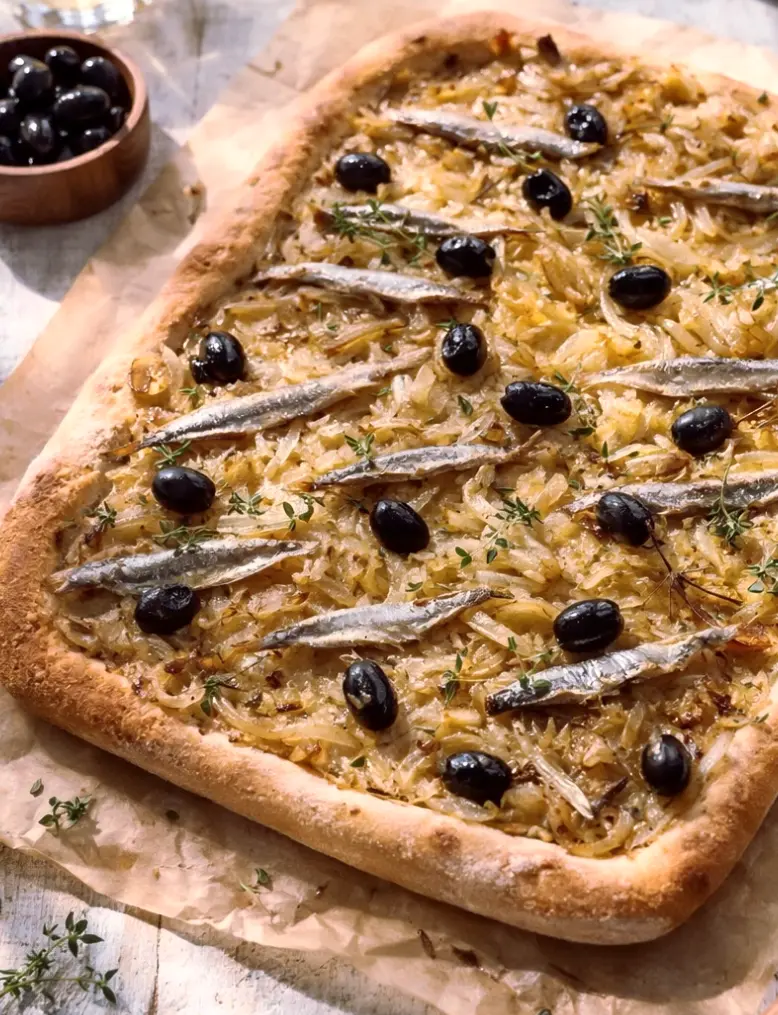
Pissaladière Niçoise
 Prep Time 20 minutes
  Cook Time 1 hour 50 minutes
  Total Time 2 hours 10 minutes
  Servings 6
Ingredients
For the dough
- 250 gr plain flour
- 6 gr baker's yeast
- 1 tbsp olive oil
- 1 tsp salt
- 150 ml water lukewarm
For the topping
- 1,5 kg onion white or yellow
- 2 cloves garlic
- 14 anchovy fillets salted in oil
- 25 black olives
- 1/2 tsp Herbes de Provence
- 1 bay leaf
- 4 sprigs thyme
- black pepper freshly ground
Equipment
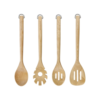
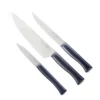
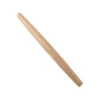
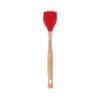
Instructions
1. Prepare the dough
- Dissolve the yeast in lukewarm water and let it rest for 5-10 minutes until it becomes bubbly and foamy. In a large mixing bowl, combine the flour and salt, then add the activated yeast mixture and olive oil. Mix with your hands or a wooden spoon until a shaggy dough forms, then knead on a lightly floured surface for about 10 minutes until the dough is silky and elastic. Place the dough in a lightly oiled bowl, cover it, and leave it to prove in a warm spot for about 1 hour or until it has doubled in size. This slow rise will develop a soft, pliant dough that springs back when poked, providing the perfect base for your pissaladière.Short on time? Honestly, just grab a good-quality ready-made bread or even pizza dough. The kitchen police won’t come knocking.
2. Caramelise the onions
- While the dough rises, heat the olive oil over low heat in a large frying pan. Add your sliced onions, whole garlic cloves, thyme sprigs, bay leaf, and Herbes de Provence. Season with pepper but go easy on the salt as the anchovies will bring plenty later. Cook very gently for at least 1 hour 30 minutes, stirring now and then. The onions should collapse into a soft, golden tangle, rich and creamy with just a hint of bite left. If in doubt, lower the heat and let the aromatics do their slow magic. Remove the garlic, thyme and bay when done.
3. Shape and prove the dough
- Once the dough has risen, knock it back and roll it into a rectangle about 30x40cm. Lay on a greased baking tray or parchment. Leave it to rest, covered with a damp tea towel, for 20 minutes while you get your toppings ready. This extra pause gives your crust that lovely, slightly pillowy feel.
4. Assemble
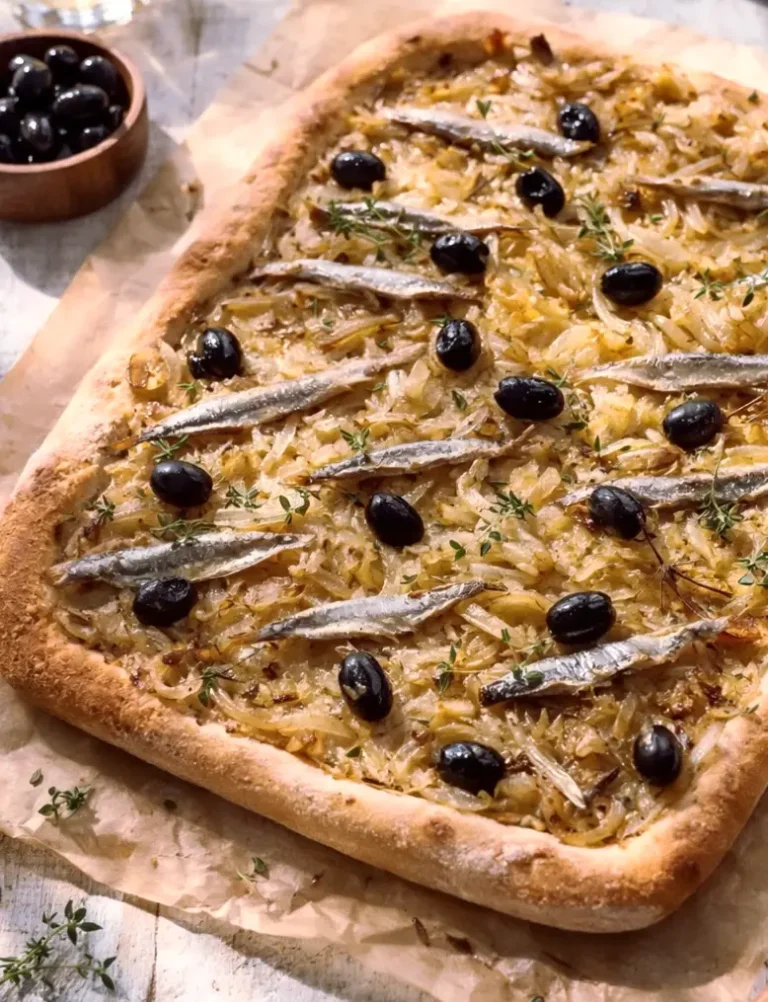
- Spread the caramelised onions evenly over the dough right up to the edges. Lay the anchovy fillets in a traditional lattice or diamond pattern over the onions, and set an olive in each diamond shape of anchovy. If you’re feeling whimsical, go as artistic as you like, but tradition is simple and geometric.The anchovies’ salty tang plays perfectly off the sweet onions.
5. Bake
- Bake in a preheated oven at 210°C (fan 190°C) for about 20 minutes, until the edges of the tart are golden and crisp. If you can, let it cool to just above room temperature before slicing. It’s a tart made for sharing, ideally with friends, sunshine, and a carafe of something pink and cold.
Notes
- If you find anchovy fillets too intense, you can rinse and dry them, or use fewer. Some locals swear by a dot of anchovy paste spread thinly over the dough before the onions go on, for deeper umami. Pissaladière keeps well, and is delicious at room temperature, an excellent make-ahead for picnics or parties.
- Pissaladière keeps beautifully, and is often eaten cold, a blessing if you’re prepping ahead for a summer gathering or a lazy British bank holiday.
About this recipe
Pissaladière is the pride of Nice, a tart reportedly as old as the port itself. The name comes from the Niçard dialect word “pissalat”, which translates to salted fish, specifically a deeply savoury paste made from young anchovies and sardines mashed with herbs and left to ferment. This goes back as far as Roman times, with some historians tracing pissaladière’s lineage to Genoese recipes or adaptations made in Nice as early as the 15th century. Originally it was a thrifty port-district staple, fuelling fishermen and dock workers with its rich, sustaining flavours.
As Mediterranean culinary borders shifted over the centuries, pissaladière soaked up influences from Liguria and became one of the true icons of Nice, sitting alongside salade Niçoise, fougasse, and pan bagnat as the dishes that define the city’s table.
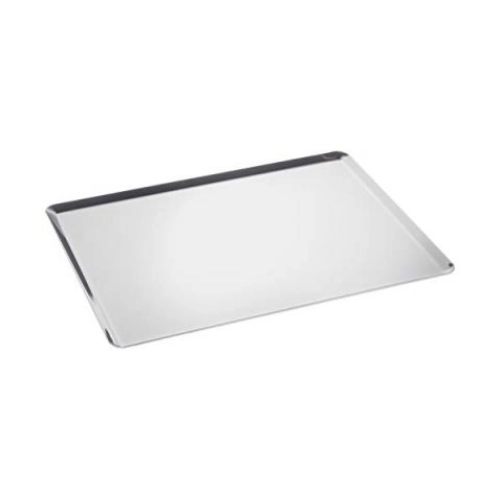
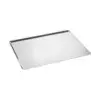
DeBuyer Stainless Steel Baking Tray
Find it on Amazon >
Pissaladière or pizza?
Call it an onion pizza if you want, and plenty of people do. The base is a yeasted dough, the toppings go on before baking, and it comes out of the oven on a tray. The comparison is fair enough. But pissaladière has its own identity entirely. There’s no tomato, no cheese, and the onions are not a topping so much as the whole point. A kilogram and a half of onions, cooked down over very low heat for an hour and a half until they collapse into a sweet, golden, almost jammy mass. That’s what you’re making here. The anchovies and olives season it and give it that unmistakable savouriness, but the onions are the soul of this dish.
It’s not a weeknight recipe. It’s French slow food at its finest, and that’s exactly what makes it worth making.
The history of pissalat
The original version used pissalat brushed directly onto the dough before the onions went on. Pissalat was that fermented anchovy and sardine paste, intensely savoury and deeply umami, made locally in Nice for centuries. It’s now almost impossible to find, largely due to overfishing and fishing regulations that have decimated the stocks of young anchovies needed to make it. Purists will tell you the modern version isn’t the same. They’re probably right. But anchovy fillets laid in neat diagonals across the onions, with a black olive pressed into each diamond at the intersections, is what you’ll find in every home and every bakery in Nice today. It’s the version everyone knows, and it’s very good indeed.
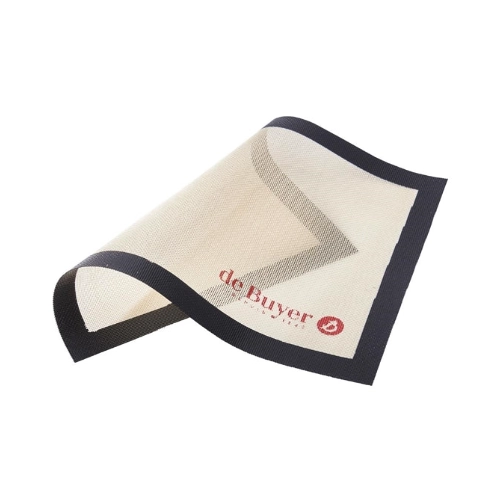
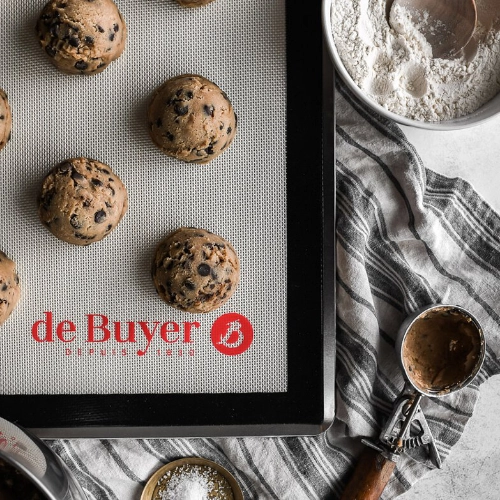
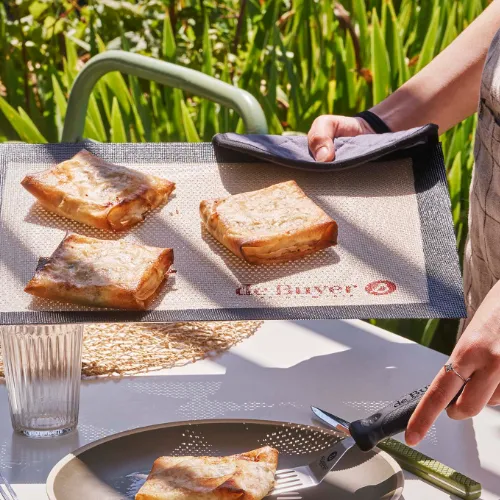
DeBuyer Baking Mat
Find it on Amazon >
A note on the neighbours
Head east along the coast towards the Italian border and you’ll find the pichade in Menton, a tomato-topped cousin that shows just how close the culinary crossover between Nice and Liguria really is. Further along still and you’re essentially in Italy. The tarte de Menton is a similar thing but without the anchovy, for those who want the dough and the onions without the fish. Worth knowing about. Worth trying if you’re ever in the area.
Getting the bake right
The onions need time and a low flame. That’s the whole technique. Keep the heat gentle, stir occasionally, and let them do their thing. Rush them and you’ll end up with something pale and sharp rather than sweet and golden. The dough meanwhile is straightforward, but it does need its full prove. An hour in a warm spot, then a 20-minute rest after shaping. That rest is what gives the crust its slightly pillowy, soft texture underneath the toppings.
For the bake itself, you want a good tray that conducts heat evenly and gives you a properly crisp base for this pissaladiere recipe. The De Buyer stainless steel baking tray is excellent for this. It’s sturdy, heats evenly, and doesn’t warp at high temperatures the way thinner trays do. Pair it with the De Buyer baking mat and you get a non-stick surface that also helps distribute the heat from underneath, which means a crispier base without having to grease the tray. It also makes cleanup considerably easier, which after an hour and a half of onion-stirring is something you’ll appreciate.
How to serve it
Pissaladière pizza is at its best warm from the oven or at room temperature, which makes it a very good make-ahead option for summer gatherings, picnics, or anything where you don’t want to be cooking to order. Slice it into squares or strips. Put it on the table with a bottle of Provence rosé. That’s the full brief.
It keeps well and is arguably even better the next day once the flavours have settled into each other properly. Cold pissaladière with a glass of something pink and a view of the sea is not a bad way to spend an afternoon. A view of the garden will do just fine too.
Share your feedback and spread the love!
If you try this recipe, I’d love to hear how it turns out! Leave a ★★★★★ rating and your thoughts in the comments, it helps fellow French foodies discover this recipe too. Snap a photo and tag me @obviously.french on Instagram if you’re sharing your bake or cooking online. Don’t forget to save this recipe to Pinterest so you’ll always have it handy for your next French-inspired meal!
Disclosure: Just so you know, this post contains sponsored content and/or affiliate links, If you make a purchase through these links, I may receive a small commission. Doesn’t cost you anything extra. I only link to things that are actually worth your time. All opinions are my own!