Skate Wing in Butter
 Prep Time 10 minutes
  Cook Time 12 minutes
  Total Time 22 minutes
  Servings 2
Ingredients
- 2 skate wings about 200-250g each, skinned
- 3 tbsp plain flour
- 80 gr unsalted butter
- 1 handful flat-leaf parsley
- salt and black pepper
- 1 lemon cut into wedges
Equipment
Instructions
1. Prep the skate
- Pat the skate wings completely dry with kitchen paper. Season both sides generously with salt and black pepper. Put the flour on a plate and dust each wing lightly on both sides, shaking off any excess.The drier the fish, the better it'll crisp up. Don't skip the paper towel step.
2. Heat the pan
- Melt 40g of the butter in a large frying pan over medium-high heat. When it starts to foam and smell nutty, you're ready to cook.You want the butter hot enough to sizzle when the fish hits it, but not so hot it burns immediately. Medium-high is the sweet spot.
3. Fry the skate
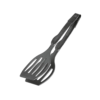
- Carefully lay the skate wings in the pan, prettiest side down. Cook for 5-6 minutes without moving them, you want that golden crust to form. Flip gently with a wide spatula and cook for another 4-5 minutes on the other side.Skate cooks quickly. The flesh should flake easily from the cartilage when it's done. If you've got thick wings, give them an extra minute or two.
4. Add more butter
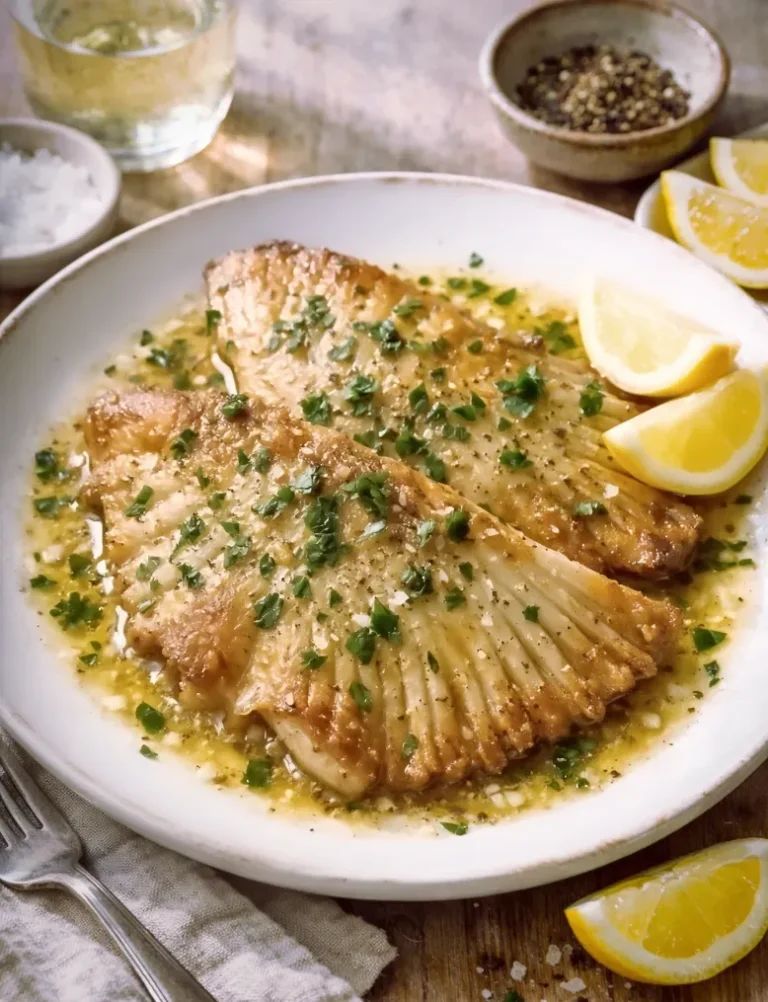
- When the skate is cooked through and golden on both sides, add the remaining 40g butter to the pan. Let it melt and foam around the fish, basting it with a spoon for a minute or so.This second hit of butter is what makes the dish. It soaks into the fish and creates that glossy, rich finish you see in French bistros.
5. Finish and serve
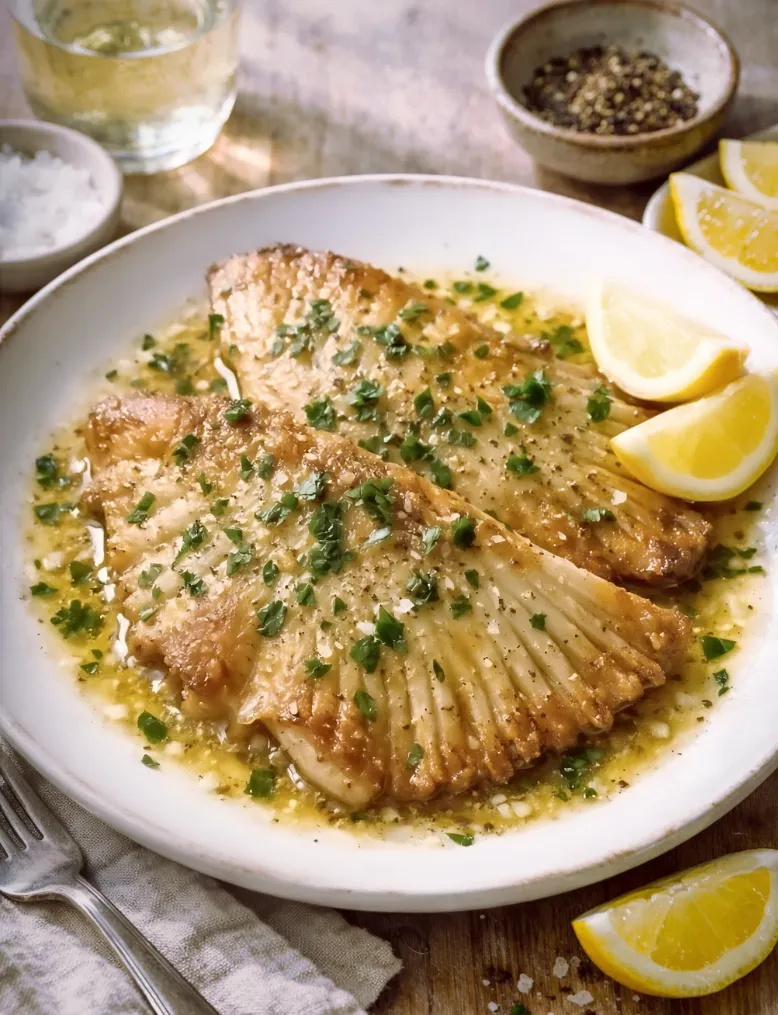
- Transfer the skate to warm plates. Pour the buttery pan juices over the top, scatter with fresh parsley, and add a good pinch of flaky sea salt. Serve immediately with lemon wedges on the side.The lemon's essential, a good squeeze cuts through all that butter and makes the fish taste phenomenal.
Notes
- Ask your fishmonger to skin it for you. Skinned skate wings should look clean and white.
- Some recipes use cornflour for an even crispier crust, but plain flour is traditional and works brilliantly.
- Use a pan big enough to fit both wings without crowding. If they overlap, they’ll steam rather than fry. Cook in batches if needed.
- Watch the butter carefully. If it starts to go brown too quickly, lower the heat slightly. You want golden and nutty, not burnt.
About this recipe
Skate wing in butter, or raie poêlée au beurre, is one of those dishes that proves French cooking doesn’t need to be complicated to be brilliant. Good ingredients, proper technique, fresh fish, decent butter, hot pan. That’s it.
What is skate fish?
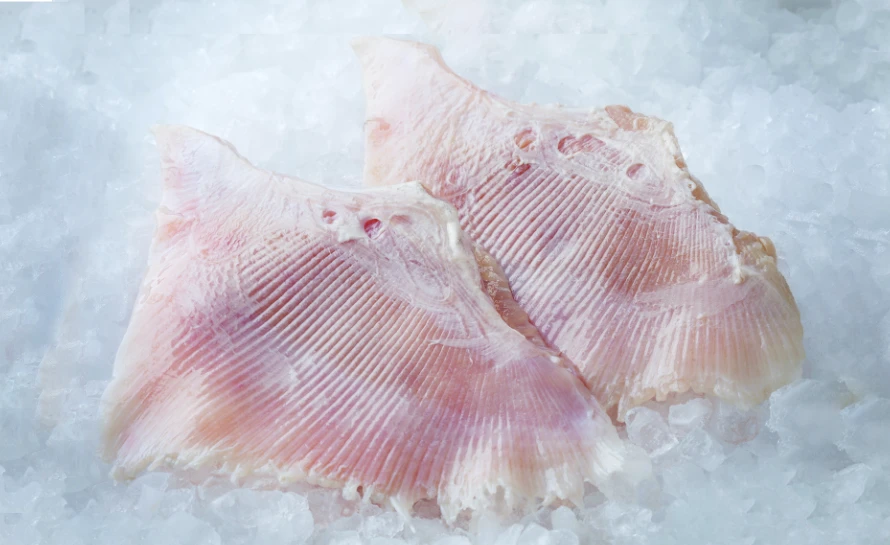
Skate fish is a flat, diamond-shaped ray caught in the Atlantic and along the English Channel. It’s the wings you eat, the large, fan-shaped pectoral fins that have a unique structure unlike any other fish. Instead of flaking in chunks, skate fish flesh comes away in long, sweet strands that peel cleanly from the cartilage. The texture is meaty but delicate at the same time, and it absorbs butter extraordinarily well.
Fresh skate fish has almost no strong fishy smell. If yours does, it’s not fresh enough. Skate deteriorates quickly after being caught, which is why buying it from a good fishmonger matters. Ask when it came in. Fresh skate fish should smell clean and faintly of the sea, nothing more.
Why skate wing has been loved in France for centuries
Skate wing has been a staple of French coastal cooking for centuries, particularly in Brittany and Normandy where it came off the boats regularly. Historically it was a cheap fish, often overlooked in favour of fancier catches, but French cooks understood what they had. The combination of skate’s natural sweetness and its ability to carry butter-based sauces made it a natural fit for French technique.
This simple preparation, a light flour coating, a hot pan, brown butter, parsley, and lemon, is the same principle behind sole meunière. But skate wing is meatier, more forgiving to cook, and arguably more satisfying to eat. It’s the kind of dish you’d find in a family-run restaurant along the Brittany coast. No fuss, no frills, just properly cooked fish that tastes of the sea.
In France, skate availability has declined in recent years due to overfishing, which means it’s become more of a special occasion fish rather than an everyday option. If your fishmonger has it, buy it. Cook it that day.
The best way to cook skate wings
The best way to cook skate wings is in a hot pan with good butter, and it takes about 20 minutes start to finish. The light flour coating is important: it creates a thin golden crust that contrasts with the tender flesh underneath, and it helps the butter cling to the fish rather than sliding off.
To cook skate fish properly, the pan needs to be genuinely hot before the fish goes in. A cool pan means the coating steams rather than crisps, and you lose that contrast of textures that makes the dish. Add the butter, let it foam and start to turn golden, then add the skate wing. Leave it alone for a few minutes. Don’t move it around. When the edges start to colour and the flesh looks opaque halfway up, flip it once.
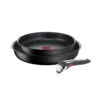
The pan you use matters too. For an everyday cook, the Tefal non-stick frying pan is the most practical choice. The non-stick surface means the delicate skate wing lifts cleanly without tearing, which is particularly useful given how the flesh is structured around the cartilage.
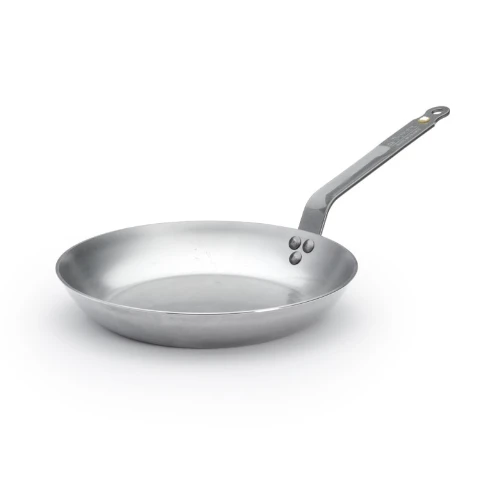
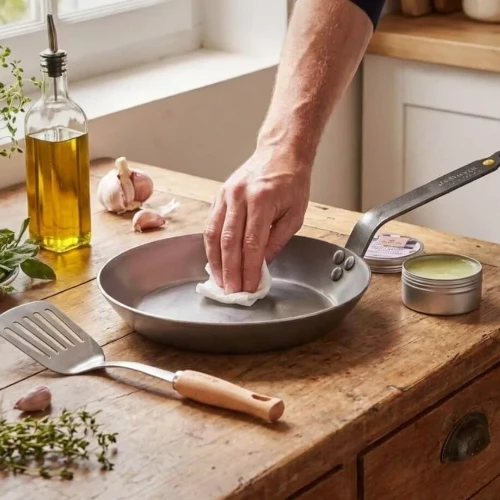
For more experienced home cooks who want better browning and more control over the butter, the De Buyer carbon steel frying pan is what professional French kitchens reach for. Carbon steel conducts heat brilliantly, develops a natural seasoning over time, and gives you the kind of golden crust that non-stick pans struggle to achieve. It requires a bit more attention and technique, but the results are excellent.
The butter sauce
This recipe keeps the sauce simple, just butter, parsley, and lemon, rather than the more elaborate beurre noir which adds capers and vinegar. The butter browns in the pan after the fish comes out, picking up all the golden bits left behind, and goes over the skate wing immediately. It finishes cooking the fish slightly as it rests, and the parsley adds freshness against the richness of the butter.
Serve with boiled potatoes or a simple green salad. That’s all it needs.
Share your feedback and spread the love!
If you try this recipe, I’d love to hear how it turns out! Leave a ★★★★★ rating and your thoughts in the comments, it helps fellow French foodies discover this recipe too. Snap a photo and tag me @obviously.french on Instagram if you’re sharing your bake or cooking online. Don’t forget to save this recipe to Pinterest so you’ll always have it handy for your next French-inspired meal!
Disclosure: Just so you know, this post contains sponsored content and/or affiliate links, If you make a purchase through these links, I may receive a small commission. Doesn’t cost you anything extra. I only link to things that are actually worth your time. All opinions are my own!