
 October 9, 2025
Disclosure: This post may contain affiliate links which provide us a small commission when used for purchase. Please read my disclosure policy for more information. I am grateful for your support!


About this recipe
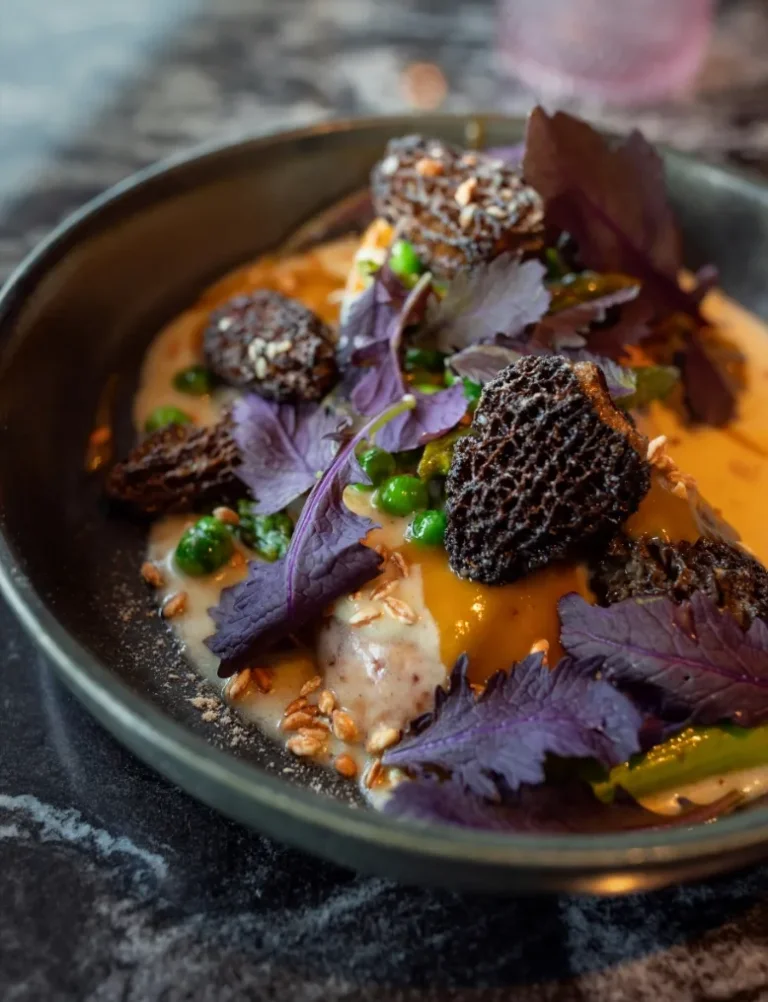
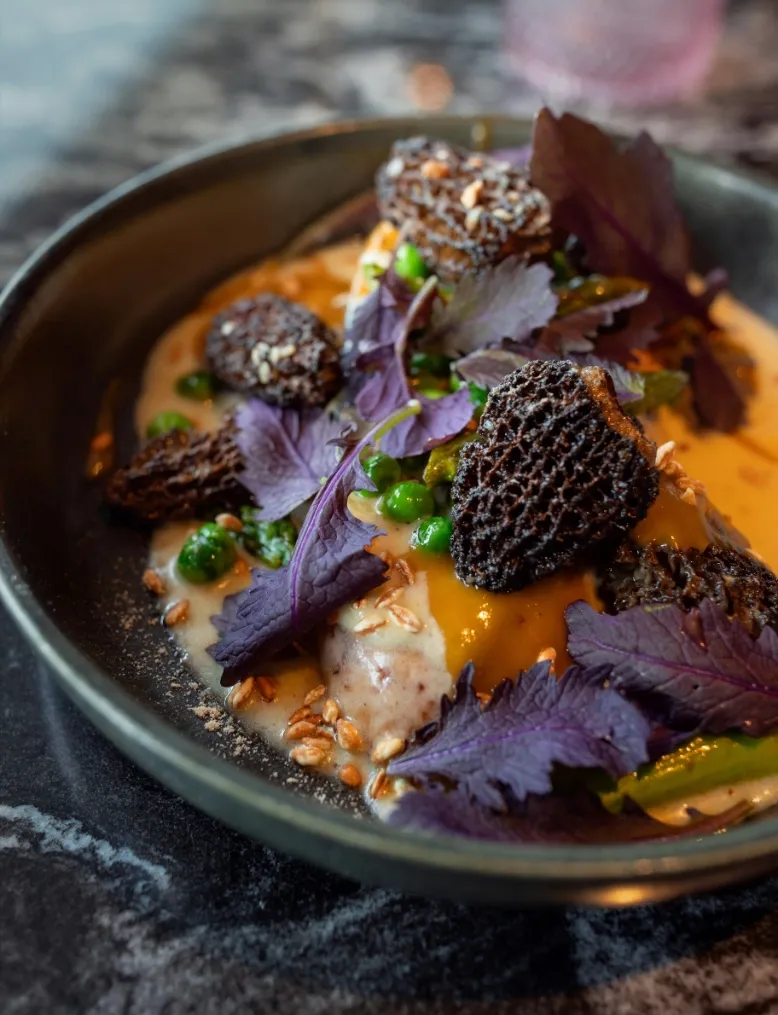
Turbot with morel sauce is one of those pairings you see on French restaurant menus for a reason. You have two ingredients right at the top of their game, cooked quite simply and brought together on the plate. The result feels like a celebration without asking you to do anything especially complicated.
Turbot: the king of flatfish
Turbot has held a special place in French cooking for centuries. It has a firm and dense flesh which stays intact under heat, and the flavour is clean, sweet, and rich without feeling heavy. Unlike more fragile white fish, turbot can carry a generous, full-flavoured sauce without getting lost underneath it, which is exactly why French chefs reach for it when they want to serve their boldest sauces.
This turbot recipe works because the fish is strong enough in texture and taste to stand up to a proper morel sauce. A delicate sole or a flaky cod would simply vanish against it. Turbot holds its ground. In France you tend to see it in restaurants along the Atlantic coast and in the big brasseries of Paris. It has never been a cheap fish, and it is not trying to be. When you buy turbot, you are choosing something that deserves to be treated with care.
Morel mushrooms in French cooking
Morel mushrooms, “morilles” in French, have a status in French kitchens that no other mushroom quite matches. They appear for a short spell in spring, usually between March and May depending on where you are, and people take their arrival seriously. Foragers guard their woodland patches closely, and families pass down the best spots as carefully as if they were pieces of land.
The flavour of a morel is earthy, nutty, and deeply savoury in a way that dried mushrooms can imitate but never fully match. The honeycomb caps catch sauce, butter, and cream as they cook, so every bite feels concentrated and luxurious. Morilles à la crème is the classic: morels gently cooked in French butter, white wine reduced down, then cream added and seasoned with care. It is one of the great French sauces and it is the base of this morel sauce.
The morel sauce recipe
A good morel sauce starts with clean mushrooms. Fresh morels need careful rinsing because their honeycomb structure traps grit. Dried morels need soaking, and that soaking liquid, once strained to remove any sand, goes straight into the pan to deepen the flavour.
You build the sauce in layers. First soften shallots in butter, then add the morels, then pour in white wine and let it reduce. After that you stir in cream and let it simmer until it lightly coats the back of a spoon. Seasoning at the end matters. Morels bring earthiness and the cream brings richness, so the sauce needs enough salt and a squeeze of lemon to brighten and lift it.
Served with turbot, the earthiness of the mushrooms plays beautifully against the clean sweetness of the fish. The cream ties everything together without hiding either element.
The right equipment for roasting turbot
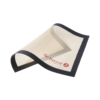
Turbot is often given a quick sear and then finished in the oven, which makes it easier to cook the fish through gently without overdoing it on the stove. For the oven stage, a good baking mat genuinely helps. I use the De Buyer baking mat for roasting turbot. It spreads heat evenly under the fish, stops it sticking without needing lots of extra butter or oil, and makes cleaning the tray much easier. With a fish this good, you want as few obstacles as possible between it and the heat.
How to serve turbot with morel sauce
Keep everything around it simple. Turbot with morel sauce does not need clever sides. Steamed new potatoes or a smooth potato purée are perfect for catching the sauce. A little wilted spinach or some fine green beans on the side are more than enough. The dish is rich and the sauce is powerful, so a light hand with the accompaniments is the right approach.
It is a dinner-party kind of dish in the best sense. It looks impressive, tastes exceptional, and is much more manageable at home than people tend to think. The turbot recipe itself is straightforward. The morel sauce needs attention rather than advanced skills. Together, they give you something properly special to put on the table.
 Prep Time 25 minutes
  Cook Time 25 minutes
  Total Time 50 minutes
  Servings 4
Description
Ingredients
- 4 fillets turbot
- 250 gr morels or 30–40g dried morels
- 1 onion
- 20 gr unsalted butter
- 1 tbsp rapeseed oil or sunflower oil
- 150 ml dry white wine
- 200 ml Double cream
- 100 gr peas
- 1 handful purple mustard leaves or baby spinach leaves
- salt and black pepper
Equipment
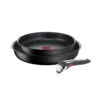
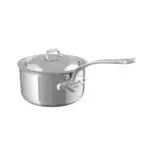
Instructions
1. Prepare the morels
- If using dried morels, soak them in hot water for 30 minutes, then drain, rinse thoroughly. If using fresh morels, clean them under running water and pat dry. Set aside.
2. Blanch the peas
- Bring a small pot of salted water to a boil. Add the fresh garden peas and cook for 1–2 minutes until bright green and just tender. Drain immediately and cool under cold running water to preserve their color.
3. Make the morel cream sauce
- In a large frying pan, melt butter with the oil over medium heat. Add the finely chopped onion and cook gently, stirring, until soft but not colored. Add the prepared morels and sauté for 5–8 minutes. Pour in the white wine, bring to a boil, and reduce by half. Lower the heat, stir in the cream, and simmer for 10–12 minutes until the sauce is thick and glossy. Season with salt and freshly ground white pepper to taste.
4. Bake the turbot
- Preheat the oven to 180°C (fan 160°C). Pat the fillets dry, season both sides with salt and white pepper, and place them on a lined baking tray. Lightly brush with oil. Bake for 8–10 minutes, or until just opaque and easily flaked with a fork.
5. Assemble and garnish
- Spoon the warm morel cream sauce onto serving plates. Place each turbot fillet on top of the sauce. Scatter the blanched peas and mustard leaves (or alternative greens) over and around the fish for color and freshness. Finish with snipped chives or parsley.
6. Serve immediately
- Serve the dish right away while hot. Pair with seasonal sides like new potatoes or a simple green salad for a complete French experience!
Notes
- The peas add a pop of sweetness and texture; the mustard leaves (or baby spinach) bring color and mild spice.
- This garnish is optional but brings restaurant presentation to homemade cooking.
Share your feedback and spread the love!
If you try this recipe, I’d love to hear how it turns out! Leave a ★★★★★ rating and your thoughts in the comments, it helps fellow French foodies discover this recipe too. Snap a photo and tag @obviously.french on Instagram. Come talk about it in our Facebook group. And don’t forget to save this recipe to Pinterest so you’ll always have it handy for your next French-inspired meal!
I tried this dish and wow does it work. I did not expect the mustard leaves to work with the morels and the Tarbot but it actually creates this perfect triangle of earthiness from the Morels, tart/spice from the mustard leaves and creamy fishy awesomeness from the Tarbot which is my second favorite fish (Right behind Sea Bream). I did not use a classic dry white wine but rather a Gavi from Piemonte because I brought one back from my last visit there and it was waiting to be used. it did give an interesting twist because it’s more citrusy. 10/10 would recommend this dish if you’re in the mood for Earthy Umami.
It definitely works with lemony Italian wine too! I will try it on my end 🙂