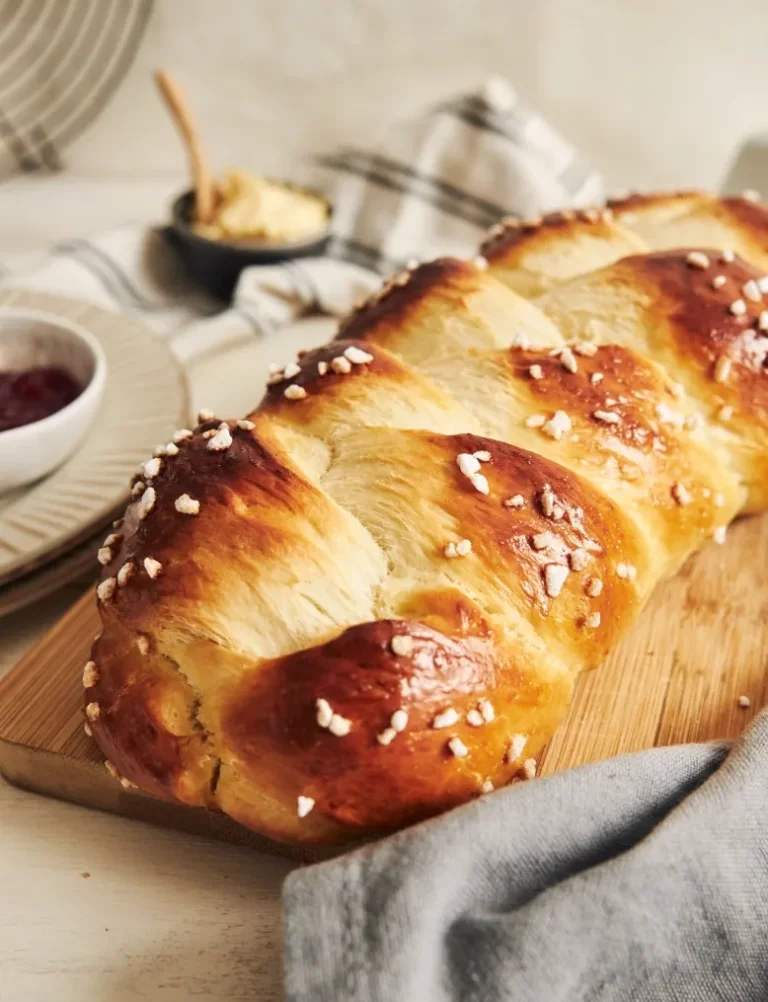
Brioche
 Prep Time 30 minutes
  Cook Time 30 minutes
  Total Time 1 hour
  Servings 8
Ingredients
- 500 gr plain flour
- 3 gr instant yeast
- 100 ml whole milk lukewarm
- 50 gr caster sugar
- 1 tsp salt
- 4 egg room temperature
- 150 gr unsalted butter softened, cut into small cubes
- 1 egg yolk, for glazing
Equipment
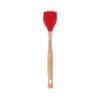
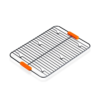
Instructions
1. Activate the yeast
- Warm the milk until just lukewarm (around 37°C). Stir the yeast into the milk until dissolved. Let it sit for 5-10 minutes until foamy.
2. Mix the dough
- In the stand mixer bowl, combine the flour, sugar, and salt. Attach the dough hook. Add the foamy yeast-milk mixture along with the eggs. Mix on low speed to bring the dough together.
3. Incorporate the butter
- Gradually add the softened butter cubes into the dough while mixing. Continue mixing for at least 15 minutes on medium speed. The dough should be smooth, elastic, and slightly sticky but should come away from the bowl.
4. First rise
- Cover the bowl with a clean towel or plastic wrap. Leave the dough to rise in a warm place (24-28°C) for about 1-2 hours until doubled in size.
5. Chill and shape
- Gently punch down the dough to release gases. Refrigerate for 1 hour to firm up the butter and make shaping easier. After chilling, divide the dough into equal portions (typically 8-10). Shape each portion into a smooth ball.
6. Second rise in tin
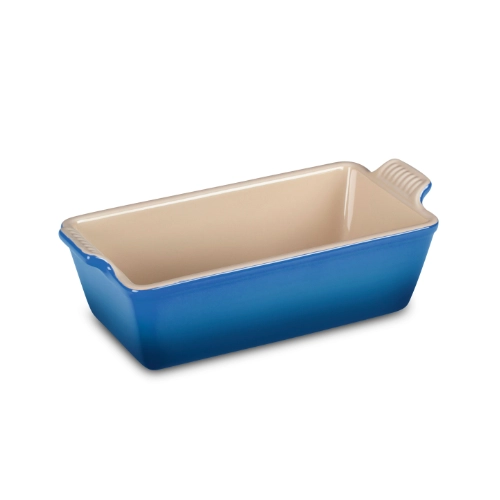
- Place the dough balls into a greased loaf pan. Cover and let rise again for 1-1.5 hours until doubled.
7. Prepare for baking
- Preheat the oven to 180°C (160°C fan). Brush the risen brioche gently with the beaten egg yolk for a shiny, golden crust.
8. Bake
- Bake in the centre of the oven for 25-30 minutes or until the brioche is golden brown on top and sounds hollow when tapped underneath.
9. Cool
- Remove from the oven and let cool completely on a wire rack before slicing.
Notes
- For best results, ensure all ingredients are at room temperature to help the yeast activate smoothly.
- The chilling step after the first rise is key to achieving the brioche’s delicate, buttery flakiness and ease of handling.
- Brioche dough is sticky but resist adding too much flour!
- Patience during rising is essential for light texture.
About this recipe
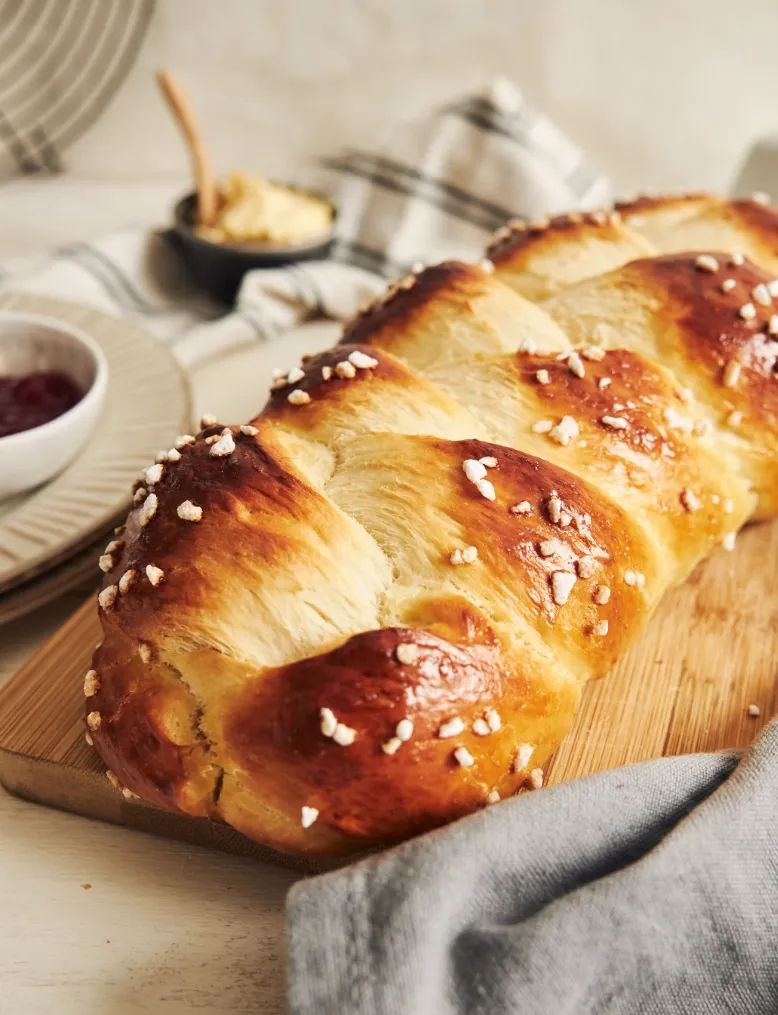
Brioche is one of the great French breads, and also one of the most misunderstood. It is not a cake, though it contains butter and eggs in quantities that would suggest otherwise. It is not a standard enriched loaf, though it uses the same basic technique. It sits in its own category: a bread with the richness of a pastry and the lightness of something that took considerably more effort than it looks.
Where brioche comes from
This brioche bread recipe has roots in Normandy, where the region’s exceptional butter and dairy production made enriched doughs a natural development. Dating back to the Middle Ages, bakers in Normandy made versions of this bread for festive occasions, using the high-fat local butter that gave the dough its characteristic richness and flavour. Normandy butter, made from the cream of cows that graze on the region’s lush, rain-fed pastures, has a fat content and depth of flavour that genuinely makes a difference in a recipe this butter-dependent.
Over time, the brioche recipe spread from Normandy into Paris and across France, becoming a staple of the French breakfast table and the pâtisserie window. The classic shapes developed: the brioche à tête, with its distinctive small ball of dough sitting on top like a head, and the loaf format that is the most practical for slicing.
What makes a proper brioche
The brioche bread is defined by two things: the butter content and the technique used to incorporate it. The butter goes in last, after the dough has been developed through kneading, and it is added gradually whilst the dough is still mixing. This slow incorporation allows the gluten structure to remain intact whilst absorbing fat that would normally inhibit gluten development if added earlier. It takes patience and time, but it is what gives brioche its characteristic texture: rich and tender without being heavy or greasy.
The dough needs a long, cold rise overnight. This is not optional. The cold temperature firms the butter back into the dough after all that mixing, which makes shaping possible and gives the brioche its final structure. A rushed brioche that goes straight from mixing to the oven produces something flat, dense, and disappointing. The overnight rest is where the flavour develops and the texture is set.
The butter matters
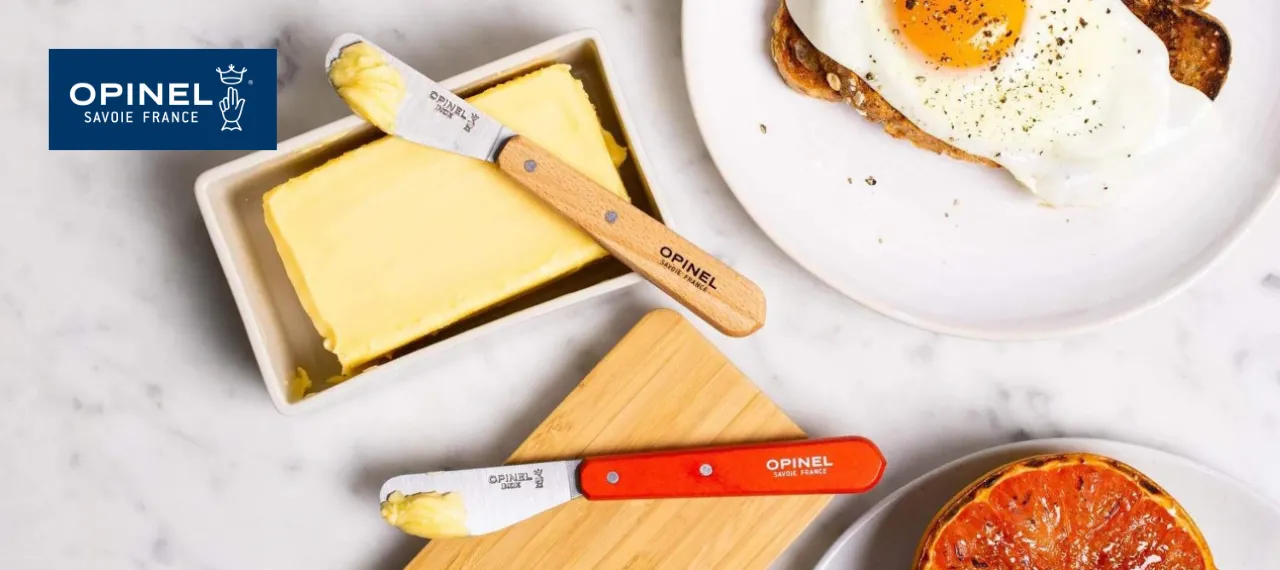
For a brioche french toast made from truly good brioche, the butter is the most important ingredient on the list. Use the best quality unsalted butter you can find. The flavour of the butter is what you are tasting in every slice, and cheap butter produces a flat, one-dimensional result. Normandy butter is the obvious choice if you can find it. Any good European-style butter with a high fat content works well. Standard supermarket butter at 80% fat will do the job but the flavour difference is noticeable.
Using leftover brioche
Day-old brioche is, if anything, better than fresh for certain purposes. Brioche “pain perdu“, french toast made from slightly stale brioche absorbs the egg custard more evenly than fresh, which is too soft and wet to hold up to soaking. Slice it thickly, leave it uncovered overnight, and it will be exactly right the following morning. This is not wasted bread. It is better bread for a specific purpose.
Brioche also works well as a base for bread and butter pudding, as a sweet burger bun, and thinly sliced alongside foie gras or smoked salmon. Its richness and slight sweetness make it a natural partner for anything that benefits from a gentle, buttery backdrop.
The right loaf pan
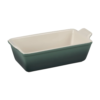
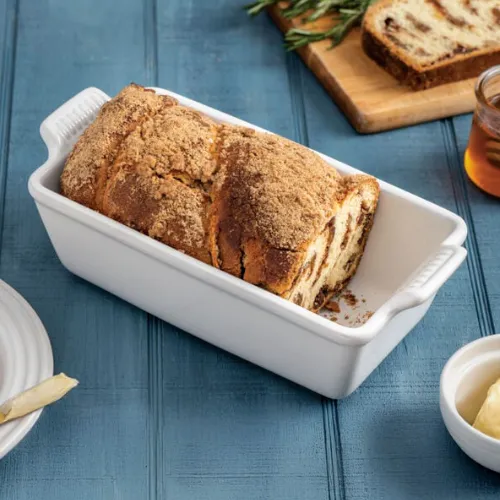
A brioche bread recipe baked in a loaf format needs a pan that conducts heat evenly to the base and sides, allows the dough to rise freely without sticking, and produces a clean release once baked. I use the Le Creuset loaf pan for this. The stoneware distributes heat gently and evenly, which is exactly what enriched doughs need. Too much direct heat too quickly and the outside sets before the interior has finished rising. The Le Creuset’s steady heat allows the brioche to bake through uniformly, producing that even, golden crust on all sides and the soft, pillowy interior that makes a proper brioche worth every hour it takes to make.
Share your feedback and spread the love!
If you try this recipe, I’d love to hear how it turns out! Leave a ★★★★★ rating and your thoughts in the comments, it helps fellow French foodies discover this recipe too. Snap a photo and tag me @obviously.french on Instagram if you’re sharing your bake or cooking online. Don’t forget to save this recipe to Pinterest so you’ll always have it handy for your next French-inspired meal!
Disclosure: Just so you know, this post contains sponsored content and/or affiliate links, If you make a purchase through these links, I may receive a small commission. Doesn’t cost you anything extra. I only link to things that are actually worth your time. All opinions are my own!