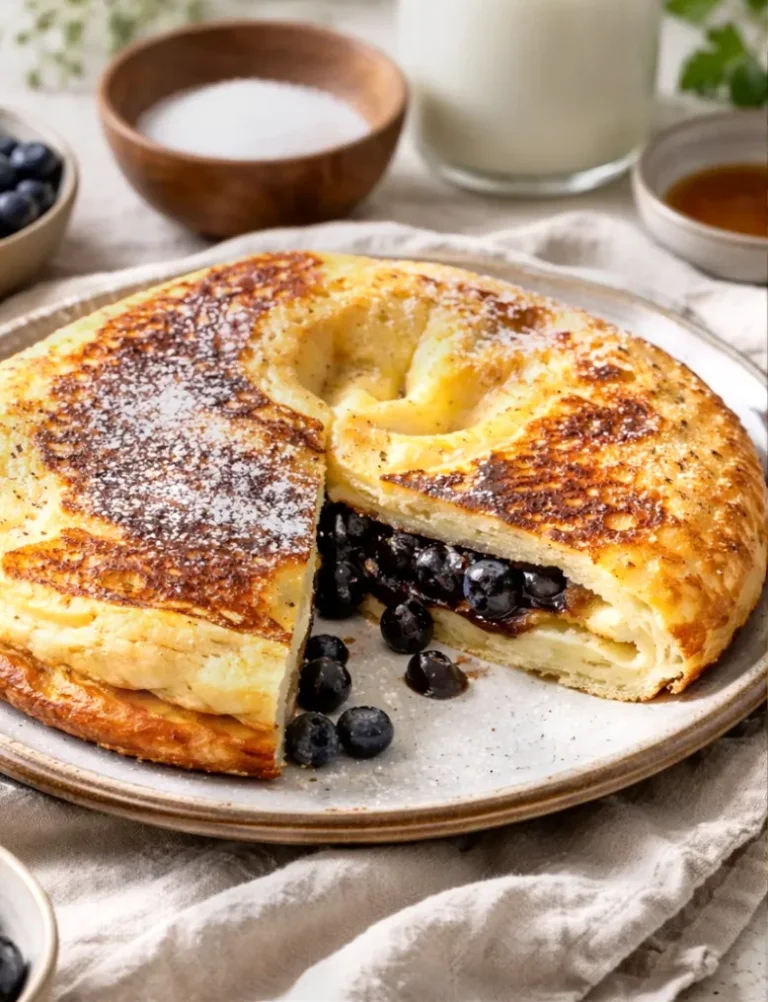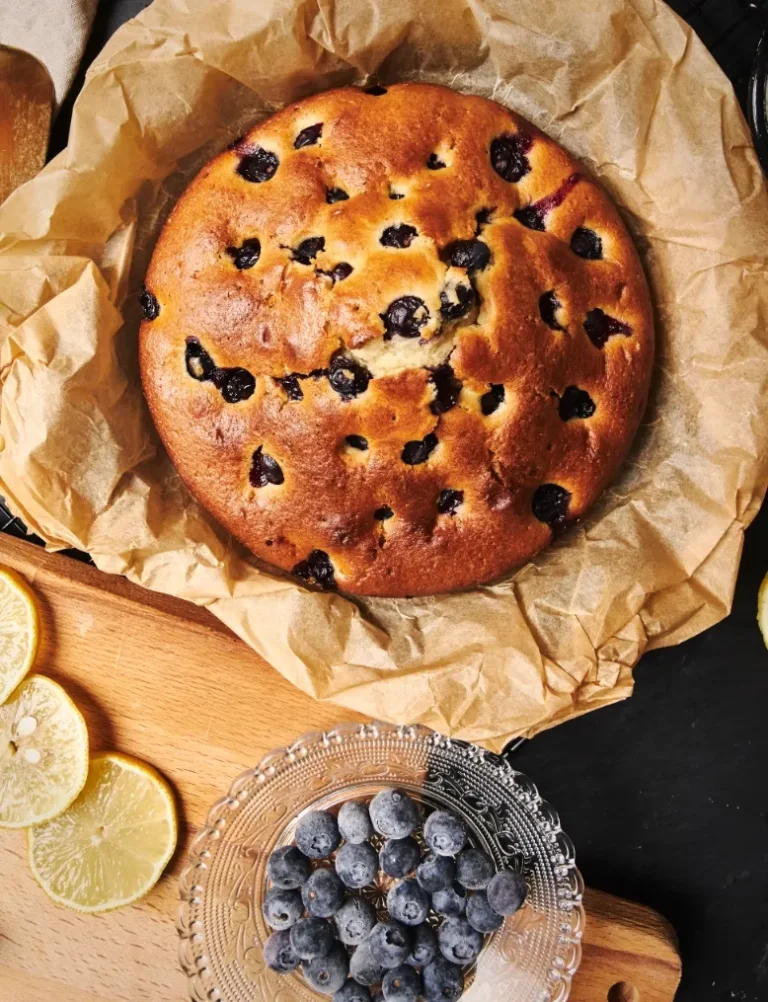
Clafoutis Blueberry
 Prep Time 15 minutes
  Cook Time 35 minutes
  Total Time 50 minutes
  Servings 6
Ingredients
- 200 gr blueberries or wild blueberries
- 3 egg
- 200 gr plain flour
- 30 gr unsalted butter melted
- 3 gr baking powder
- 50 gr sugar
- 60 ml whole milk
- 1 pinch salt
Equipment
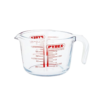
Instructions
1. Prepare the batter
- Crack the eggs into a mixing bowl and beat them until smooth and frothy. This will create a light, airy base for your Clafoutis.Gradually add the flour and sugar to the eggs, stirring steadily to combine into a silky batter without lumps.Mix in the melted butter, baking powder, and a pinch of salt to add depth and a gentle rise to your Clafoutis.Slowly pour in the cold milk, whisking continuously until you achieve a flowing but thick batter. Add a splash more if it feels too dense.
2. Mix the blueberries with the batter
- Scatter a generous handful of fresh (wild) blueberries evenly across the dish, then gently pour the batter over them to cover completely.
3. Bake
- Bake in a moderately heated oven (around 180°C/350°F) for about 35-40 minutes, until the Clafoutis is puffed, golden, and just set in the middle.
4. Serve
- Let it cool slightly before serving, it’s delightful warm or at room temperature.
Notes
- If fresh myrtilles aren’t available, frozen will work well too, just don’t thaw them completely to avoid sogginess.
- For a touch of warmth, sprinkle a little cinnamon or vanilla into the batter.
About this recipe
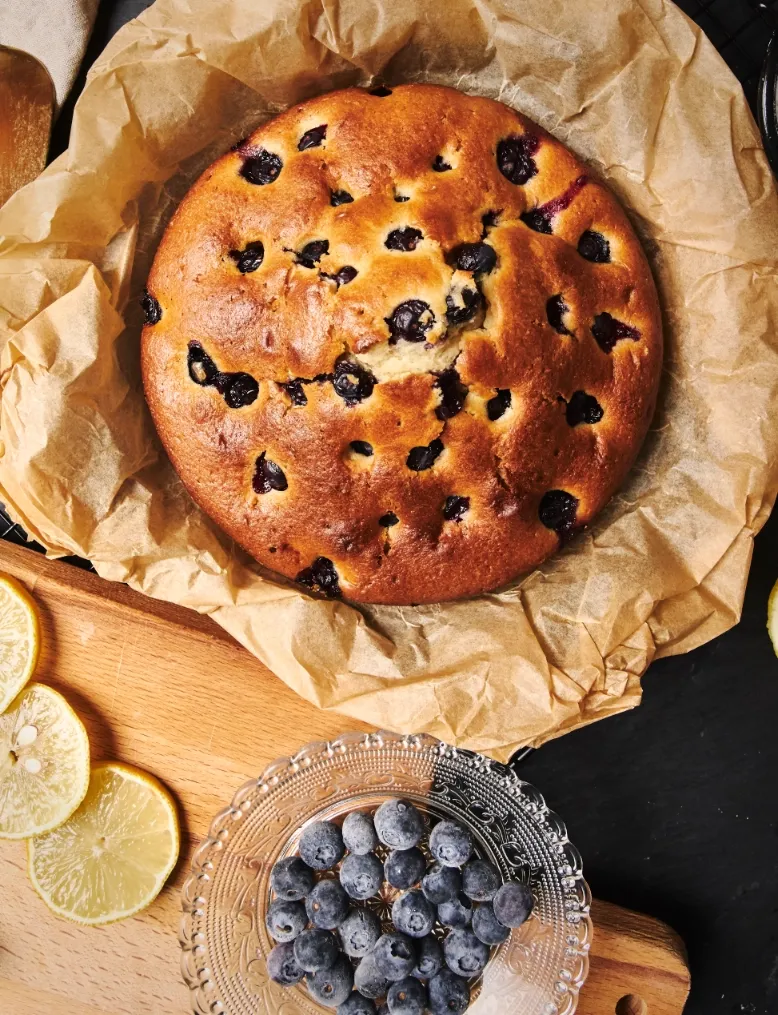
This summer, my neighbour Michèle and her husband André spoiled us with the juiciest, plumpest cherries straight from their garden. As if that wasn’t enough, they sent us home with two slices of her homemade clafoutis, made with cherries from a tree that grows deliberately more acidic fruit. I was blown away by how good it was. I asked for the recipe before we had finished eating. The one here is hers, with one small twist: swapping the cherries for blueberries, which are easier to find and just as delicious. But if you want the genuine clafoutis experience, it has to be black cherries. Michèle would insist on that.
Where clafoutis comes from
This clafoutis recipe comes from the Limousin region, nestled in the heart of France, where it began as a simple 19th-century peasant dessert. A clever, no-fuss way to showcase whatever fruit was ripe at the time, poured into a light batter and baked until just set. The name comes from the local Occitan word meaning “to fill,” which describes the technique precisely: fruit tucked into a flowing batter that rises around it in the oven.
The clafoutis is most famously made with black cherries, and Limousin black cherries specifically. Traditionalists insist on leaving the stones in, believing they release a subtle almond-like flavour during baking that pitted cherries simply cannot replicate. Michèle’s version was exactly that: phenomenal flavour, though not a dessert for a first date given the pit-spitting involved.
Over the years, the clafoutis recipe has grown well beyond its regional roots to become a French household staple eaten across the country and increasingly beyond it. The combination of custard and pancake batter, baked around seasonal fruit until soft and flan-like, works with almost any fruit the season provides.
This blueberry clafoutis
The clafoutis blueberry version came about for practical reasons. Black cherries are seasonal, regional, and not always easy to find outside France. Blueberries are widely available, hold their shape well during baking, and their slight tartness works beautifully against the sweet, eggy batter. The result is a best blueberry clafoutis recipe that captures everything the original does: the soft, custardy interior, the slightly firmer top, and the fruit distributed through every slice.
Plums, apricots, raspberries, and pears all work well in this clafoutis recipe too. The principle is the same regardless of the fruit: something with enough flavour and acidity to stand up to the richness of the batter.
Blueberry clafoutis with frozen berries
One of the most practical qualities of this recipe is that it works well with frozen fruit. A blueberry clafoutis with frozen berries produces a result almost identical to the fresh version, which makes this a genuinely year-round dessert rather than a strictly seasonal one.
The key with frozen blueberries is not to defrost them before they go into the batter. Frozen berries added directly hold their shape better during baking and release less liquid into the batter than defrosted ones, which can make the clafoutis watery. Straight from freezer to dish, batter poured over, into the oven. That is all.
The batter
The batter for a proper clafoutis sits somewhere between a crêpe batter and a custard. Eggs, milk, flour, sugar, French butter, and vanilla. The proportion of flour is lower than a cake batter, which gives you that characteristic soft, almost flan-like texture rather than a sponge. Beat it until smooth and let it rest for ten minutes before pouring it over the fruit. The short rest allows the flour to hydrate fully and produces a more consistent result in the oven.
Do not overbake. A clafoutis should wobble slightly at the centre when you take it from the oven. It will finish setting as it cools. Overbaked clafoutis turns rubbery and dry, losing the custardy texture that makes it worth making.
The right dish
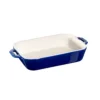
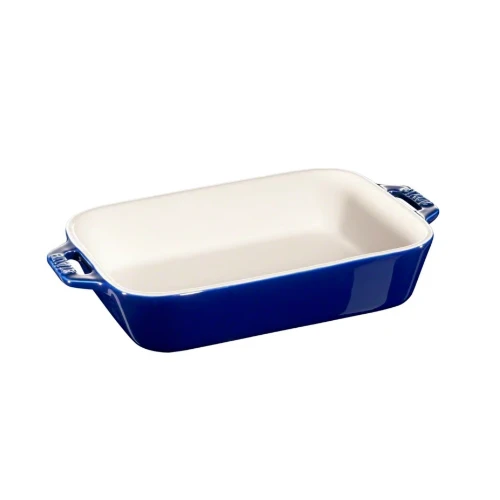
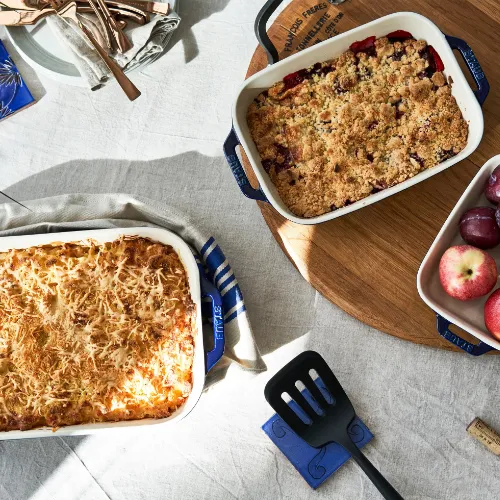
A clafoutis bakes best in a dish that conducts heat evenly and holds it steadily throughout the baking time. I use the Staub baking dish for this best blueberry clafoutis recipe. The cast iron distributes heat uniformly across the base, which means the batter sets evenly rather than cooking faster at the edges than in the centre. The depth is right for the amount of batter this recipe produces, and the Staub goes straight from oven to table for serving, which is the right way to present a clafoutis. Warm, in the dish it was baked in, with nothing else required.
Share your feedback and spread the love!
If you try this recipe, I’d love to hear how it turns out! Leave a ★★★★★ rating and your thoughts in the comments, it helps fellow French foodies discover this recipe too. Snap a photo and tag me @obviously.french on Instagram if you’re sharing your bake or cooking online. Don’t forget to save this recipe to Pinterest so you’ll always have it handy for your next French-inspired meal!
Disclosure: Just so you know, this post contains sponsored content and/or affiliate links, If you make a purchase through these links, I may receive a small commission. Doesn’t cost you anything extra. I only link to things that are actually worth your time. All opinions are my own!