 November 11, 2025
Disclosure: This post may contain affiliate links which provide us a small commission when used for purchase. Please read my disclosure policy for more information. I am grateful for your support!
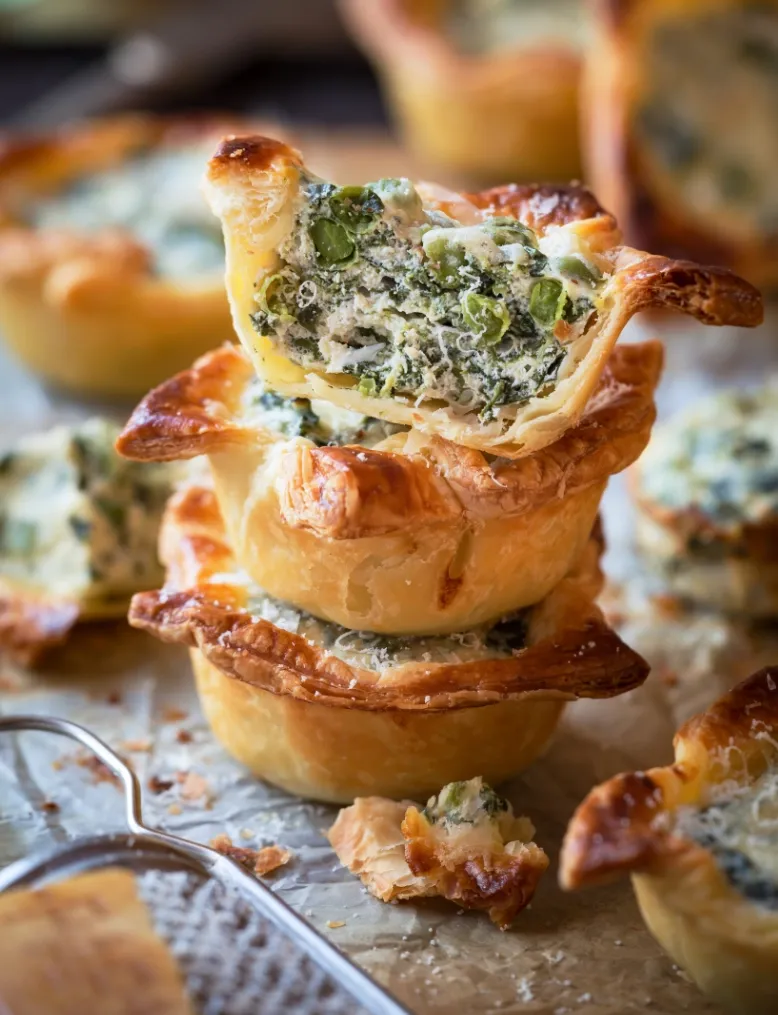
I make these spinach ricotta tarts when I want something that feels like a treat but takes no effort. We all have lazy days, right? Here, the puff pastry does the impressive part, and the filling is just a couple of good ingredients stirred together in a bowl. Funny story, the peas were actually a happy accident! I had half a bag to use up, and it turned out to be so good, now I wouldn’t make them without them. They are the perfect treat to have on picnics and serve at apéro!
Table of Contents
Where spinach ricotta tarts comes from
These spinach ricotta tarts sit somewhere between Italian and French cooking. The French have been making feuilletés, puff pastry filled with whatever’s to hand, for a very long time, and you’ll still find a version in every decent bakery and on every caterer counter. The ricotta is the Italian half, and it makes sense this far south: along the France-Italy border the two kitchens have borrowed from each other for centuries.
The classic French filling could be goat’s cheese or crème fraîche, but ricotta works better here. It’s lighter, less sharp, and it doesn’t fight the spinach, it just carries whatever you season it with. The spinach-and-ricotta pairing itself is old Italian, and turns up in stuffed pastas and vegetables going back centuries. The peas are my happy-accident addition, for colour and little bursts of sweetness against the mineral spinach!
Ingredients
- All-butter puff pastry — worth insisting on all-butter, it’s what gives you the proper flaky, golden lift and the lovely buttery flavour. Shop-bought is completely fine here.
- Ricotta — the creamy base that takes on the garlic, lemon and nutmeg without competing with the spinach. Drain off any watery liquid before using.
- Spinach — for the mineral, green backbone.
- Peas — fresh or frozen, for sweetness and pops of colour through the filling.
- Parmesan — a little salty depth to lift the mild ricotta.
- Garlic — softened briefly so it flavours the filling without any raw bite.
- Lemon zest — brightness, to keep the whole thing from feeling heavy.
- Nutmeg — the classic partner to spinach and ricotta, warm and quiet in the background.
- Egg — beaten, for brushing the pastry edges so they bake glossy and golden.
How to make spinach ricotta tarts
1. Prep and squeeze the vegetables
Wilt fresh spinach in a hot pan with a splash of water, a couple of minutes, then, once cool, squeeze it properly dry. This is the step that decides whether your pastry is crisp or soggy, so don’t be gentle. Blanch fresh peas for two minutes, or just defrost frozen ones, and drain well.
2. Mix the filling
Soften the garlic in a little olive oil for thirty seconds, just to take the raw edge off, then stir everything together, ricotta, spinach, peas, garlic, Parmesan, lemon zest and nutmeg. Season well and taste it.
3. Butter the tin and line it
Butter each cup of your muffin tray properly, right up the sides, so the tarts release cleanly later. Then cut circles or squares of pastry a bit bigger than the cups and press each one in, letting it flop over the edge.
4. Fill, brush and bake
Brush the exposed edges with beaten egg for a golden finish, spoon the filling in about three-quarters full, and bake at 200°C (180°C fan) for 20–25 minutes until puffed and deep golden. Let them settle in the tin for five minutes before lifting out, they firm up and release much more easily.
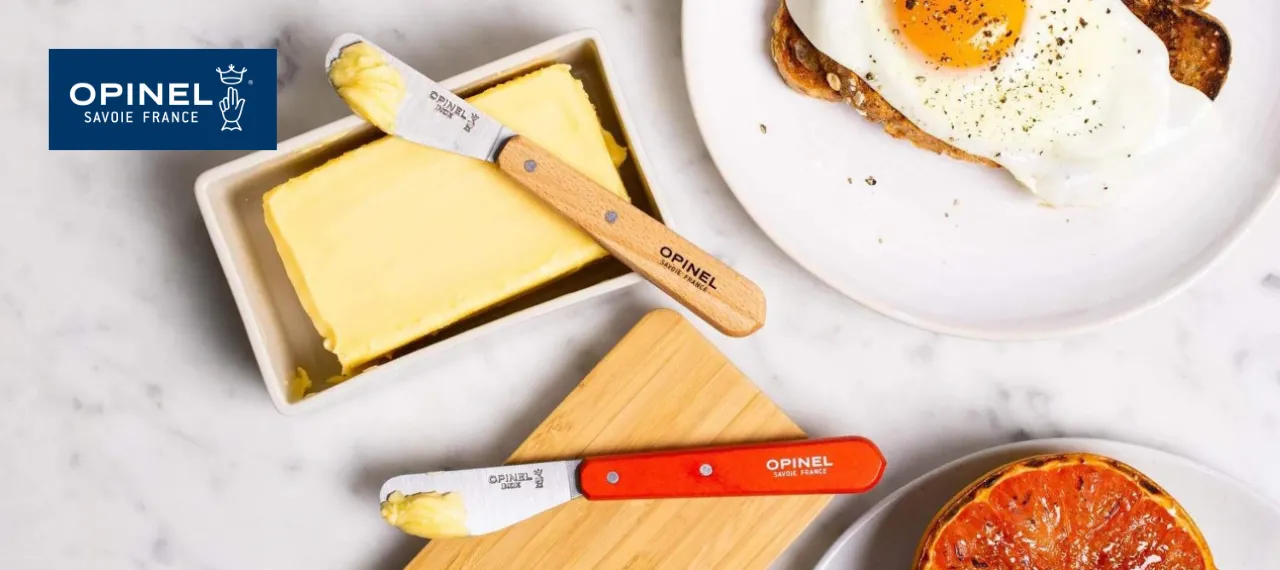
Tools for this recipe
Check out my favorite kitchen essentials and cookware!
- Use a muffin tin to hold each tart upright while it bakes and conduct heat evenly to the base, which crisps the bottom rather than leaving it pale and soft. The individual cups are just the right size for a two-bite tart for apéro.
- Use a pastry brush to butter the cups of the muffin tin and to brush the pastry edges with egg wash for a glossy, golden finish.
Tips for success
- Squeeze the spinach until it’s very dry. Excess water can ruins the pastry and your tarts will come out soggy instead of crispy.
- Season the filling boldly and taste it, the rich pastry needs a well-seasoned filling to balance it.
- Don’t overfill, three-quarters full lets the pastry puff up around the filling instead of overflowing.
- Let them rest five minutes in the tin before lifting them out, they firm up and release cleanly.
How to store it
- In the fridge: Keep for up to 2 days in a container. Reheat in a 180°C oven for 8–10 minutes to crisp the pastry back up, they go a little soft cold but the oven revives them.
- Making ahead: Assemble everything but don’t bake. Cover and refrigerate, then bake fresh when you need them, adding about 5 minutes to the time if they’re going in cold.
- In the freezer: Not really worth it here. The pastry loses its crispness once frozen and baked, so these are much better made fresh. If you want to get ahead, assemble them unbaked (see above) and keep them in the fridge for a day rather than freezing.
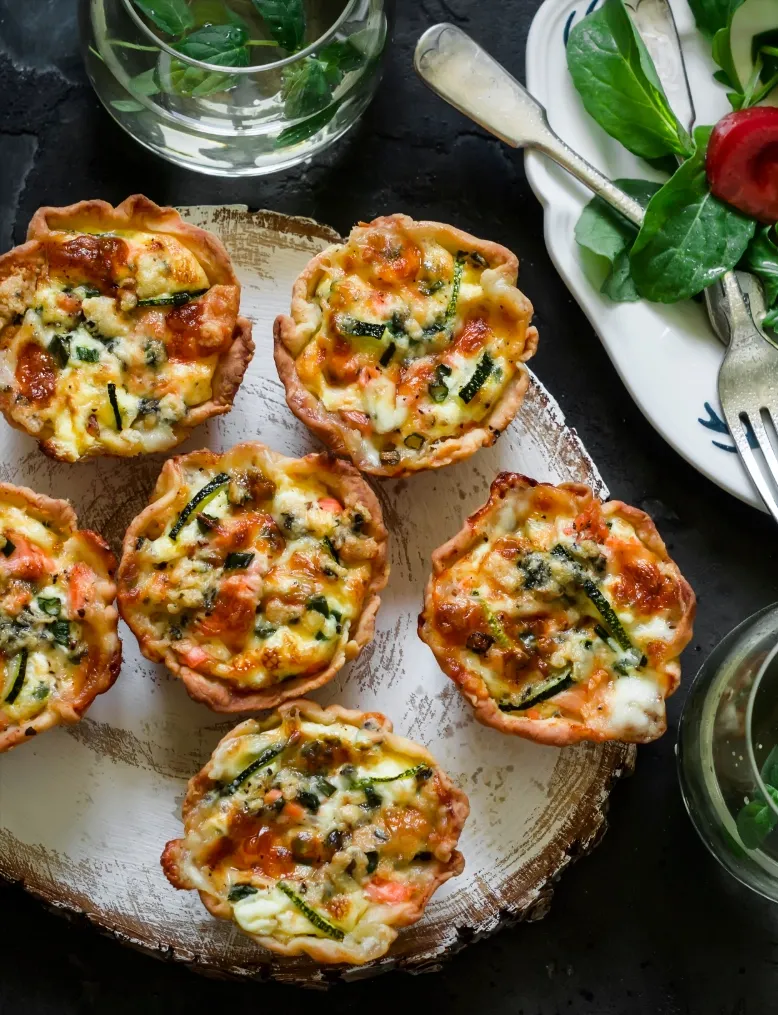
More appetizers recipes to try
→ Mimosa Eggs (French Deviled Eggs)
→ Mini Quiches Salmon Courgettes
Variations
- With feta: crumble some feta in with the ricotta for a saltier, tangier filling.
- Seasonal swaps: swap the peas for broad beans, or use asparagus tips in spring. Courgette works too, but cook it down first to drive off its water.
- Vegan version: use a dairy-free ricotta-style cheese and a plant-based all-butter-style puff pastry (many are accidentally vegan, check the label), brush with plant milk instead of egg, and add a spoon of nutritional yeast for savoury depth.
FAQ
Can I use frozen spinach for ricotta and spinach tarts?
Yes. Use about 180g frozen, thawed and squeezed very dry. Getting the water out matters even more with frozen spinach, as it tends to hold a lot.
How do I stop puff pastry ricotta tarts going soggy?
Squeeze the spinach thoroughly and drain the ricotta of any excess liquid. Most sogginess comes from water in the filling releasing into the pastry as it bakes.
What can I use instead of ricotta?
Cottage cheese (well drained) or a soft goat’s cheese both work, though goat’s cheese is sharper. Feta works mixed in for a saltier result.
Are these better served warm or cold?
Both. They’re lovely warm from the oven with a salad, and they hold up well cold for a picnic or at room temperature for an apéro spread.



 Prep Time 20 minutes
  Cook Time 20 minutes
  Total Time 40 minutes
  Servings 12 tarts
Description
Ingredients
Equipment

Instructions
1. Prep your vegetables
- If using fresh spinach, wilt it in a pan with a tiny splash of water, about 2 minutes. Once cool enough to handle, squeeze out all the excess water, properly. Soggy filling makes soggy pastry. Blanch fresh peas for 2 minutes in boiling water, or just defrost frozen ones. Drain well.
2. Make the filling
- Heat a splash of olive oil and cook the garlic for about 30 seconds, until fragrant but not browned. In a bowl, mix the ricotta, spinach, peas, garlic, Parmesan, lemon zest and nutmeg. Season well with salt and pepper and taste, it should be properly seasoned to stand up to the rich pastry.
3. Prepare the pastry cases
- Preheat the oven to 200°C (180°C fan) and lightly butter each cup of the muffin tin, getting right up the sides so the pastry releases cleanly. Roll the pastry to about 3mm if needed. Cut 12 circles, roughly 9cm across, big enough to line the cups with a little overhang. Press each gently into a cup, letting the pastry come up the sides and flop over the edge.
4. Fill the cases
- Brush the pastry edges with beaten egg for a golden finish. Spoon the filling into each case, about three-quarters full, a rounded tablespoon per tart is about right for these cups. The pastry puffs up around the filling as it bakes.
5. Bake
- Bake for 18–22 minutes until golden brown and well puffed, the cases crisp outside and the filling set but creamy. The smaller tarts colour a touch faster than large ones, so start checking at 18 minutes. Cool in the tin for 5 minutes to firm up, then run a knife around any that stick and lift out carefully.
Notes
- Swap the peas for broad beans, or asparagus tips in season. Courgette works if you cook it down first to lose the water.
- Add crumbled feta with the ricotta for a saltier, tangier version.
- Keep in the fridge for 2 days. Reheat at 180°C for 8–10 minutes to crisp the pastry.
- To make ahead, assemble but don’t bake. Cover, refrigerate, and bake when needed, adding 5 minutes if cold.
- Make sure the spinach is really well squeezed, excess water is the enemy of crisp pastry.
Share your feedback and spread the love!
If you try this recipe, I’d love to hear how it turns out! Leave a ★★★★★ rating and your thoughts in the comments, it helps fellow French foodies discover this recipe too. Snap a photo and tag @obviously.french on Instagram. Come talk about it in our Facebook group. And don’t forget to save this recipe to Pinterest so you’ll always have it handy for your next French-inspired meal!