 November 28, 2025
Disclosure: This post may contain affiliate links which provide us a small commission when used for purchase. Please read my disclosure policy for more information. I am grateful for your support!
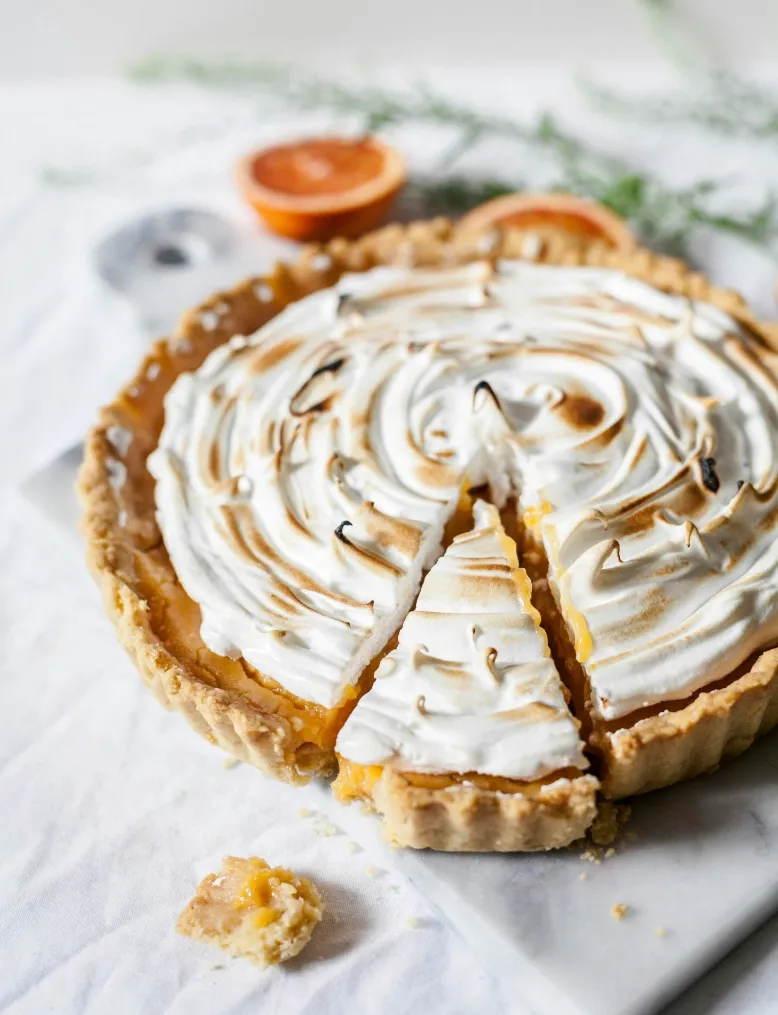
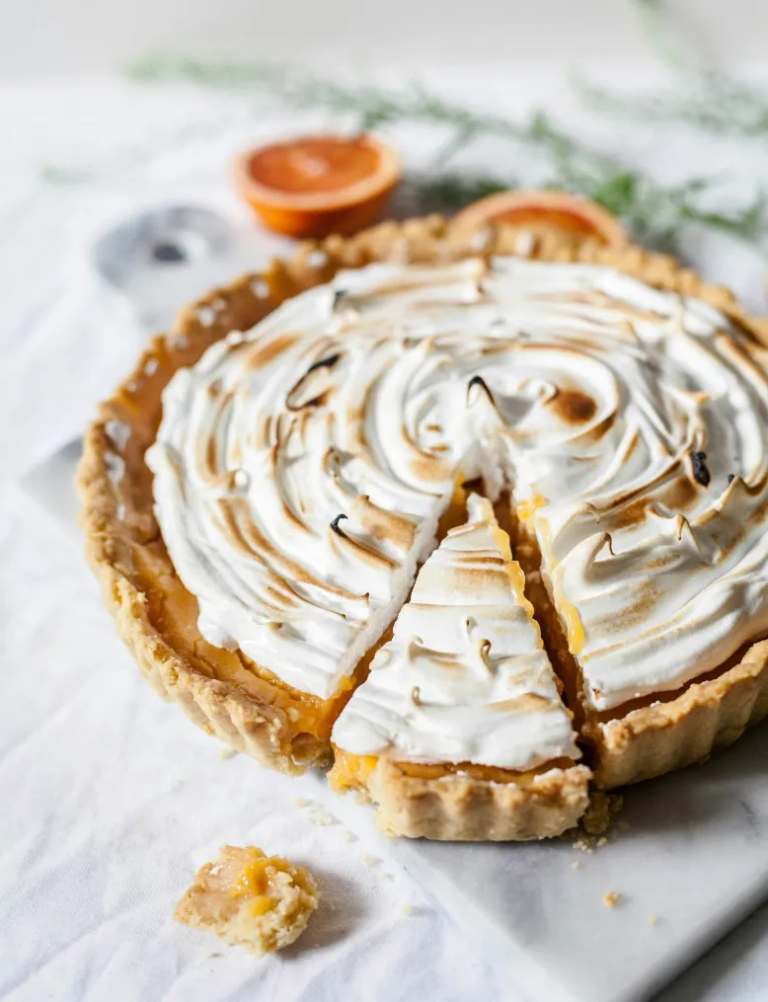
If you’ve made my lemon tartlets or lemon curd, this is the same family, sharp lemon and buttery pastry, just dressed up in its finest. I save this one when I need some extra poshness to my baking and I know the tart will be eaten entirely on that day. So if you have a fancy party or someone to impress, this is the french tarte au citron to bake this weekend!
Table of Contents
Where tarte au citron comes from
Lemons arrived in France in the 15th century, brought back by ship, and the country’s first lemon groves were planted around Menton, on the Riviera, which is still France’s lemon capital, it grows its own prized citrons de Menton and throws a whole Fête du Citron every year.
The tarte au citron as we know it took shape in France through the 18th and 19th centuries, as French pâtissiers refined it into the elegant, minimal dessert it still is. It became a pâtisserie fixture, and reached the wider world largely through the Roux brothers, who made it one of their signature desserts at their Michelin-starred London restaurant in the 1960s. From there it went everywhere.
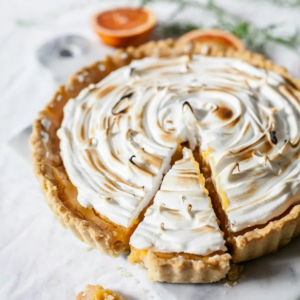
One honest point worth knowing: the original tarte au citron has no meringue at all, just the lemon filling shining on its own. The meringue-topped version, like this one, is properly called tarte au citron meringuée, and while it’s enormously popular it’s a variation rather than the original lemon tart. And both sit happily in any French bakery.
Types of meringue here
- Swiss meringue (whites and sugar warmed together over a bain-marie, then whipped) is the most stable, which is exactly what you want sitting on top of a tart like this tarte au citron, it holds its shape, torches beautifully, and resists weeping.
- Italian meringue (made with a hot sugar syrup) is fancier but fussier.
- French meringue (just whipped whites and sugar, like my meringues) weeps and doesn’t hold as well on a tart. But great on their own baked in the oven!
Ingredients
- Pâte sablée (sweet shortcrust pastry) – The crisp, sweet, buttery base.
- Lemon juice and zest – You want proper sharpness, so use real lemons. The zest carries most of the aroma.
- Eggs – In the curd (whole eggs) and the meringue (egg whites). They thicken the curd and build the meringue.
- Caster sugar – In both the curd and the meringue, balancing the sharp lemon.
- Butter – Stirred into the curd off the heat for richness and gloss.
- Cornstarch – A little, to stabilise the curd so it sets firm enough to slice cleanly.
- Salt – A pinch in the pastry and the meringue.
How to make tarte au citron
1. Make and blind-bake the pastry
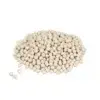
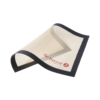
Make the pâte sablée (pulse the flour, butter, icing sugar and salt to breadcrumbs, bring together with the egg, chill), then roll it to 3mm and line your fluted tart ring set on the baking mat. Chill it again, then blind-bake with baking beans until pale golden and dry. Cool completely before filling. A properly dry base is what stays crisp under the curd.
2. Make the lemon curd
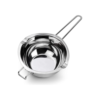
Whisk the eggs, sugar and cornstarch together over a bain-marie, add the lemon juice and zest, and stir constantly over barely simmering water until it thickens to a custard that coats the back of a spoon, about 10 to 15 minutes. Off the heat, stir in the butter until glossy. Pour it into the cooled case while still warm, smooth the top, cool, then chill for at least 2 hours until properly set. Don’t rush the setting, or the meringue will slide.
3. Make the Swiss meringue
Warm the egg whites, sugar and salt in a bowl over simmering water, whisking constantly until the sugar fully dissolves and it’s no longer grainy (about 70°C). Off the heat, whip with an electric mixer to stiff, glossy peaks that hold their shape, and until the bowl has cooled to room temperature.
4. Top and torch
Spoon or pipe the meringue over the set curd, rustic swirls or neat piping, making sure it touches the pastry edge all the way round so it doesn’t shrink back. Torch it until golden in patches, keeping the flame moving. Rest 10 minutes, then slice with a hot, dry knife for clean cuts.
Tools for this recipe
Check out my favorite kitchen essentials and cookware!
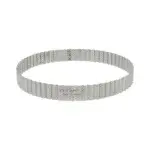
- Use a fluted tart ring set on a baking mat, which gives crisp, evenly baked, cleanly-released sides and a flat base.
- I use my wooden heavy rolling pin to roll the pastry to an even 3mm.
- Use an electric mixer to whip the Swiss meringue to stiff, glossy peaks.
- Use a blowtorch to caramelise the meringue in golden patches.
- Use a piping bag if you want a neat, professional finish on the meringue.
Tips for success
- Blind-bake the base properly: dry and pale golden, so it stays crisp under the wet curd and doesn’t leak.
- Let the curd set fully before topping: at least 2 hours in the fridge, until firm. Spoon meringue onto warm or loose curd and it slides around and weeps underneath.
- Dissolve the meringue sugar completely: rub a little between your fingers, it should feel smooth, not grainy (about 70°C). Undissolved sugar makes a weepy, grainy meringue.
- Take the meringue to the pastry edge: spread it right to the crust all the way round. This anchors it and stops it shrinking back and sliding as it sits.
- Keep the torch moving: caramelise in golden patches, flame always moving, so it colours without scorching. No torch? A hot grill for 1 to 2 minutes, watched like a hawk, since it burns in seconds.
How to store it
- A tarte au citron meringuée is at its best a few hours after the meringue goes on, when the top is crisp-edged and the curd cool and set.
- It keeps in the fridge for up to 2 days, though the meringue softens and may weep a little the longer it sits, and the pastry gradually loses its crispness. Keep it loosely covered so the meringue doesn’t get tacky. Slice it with a hot, dry knife whenever you serve.
- The clever way to get ahead: make the sweet shortcrust pastry case and the lemon curd a day in advance (the curd can chill in the baked case overnight), then make the meringue fresh and top and torch it a few hours before serving. That’s when it looks and tastes its best. I wouldn’t freeze it, since the curd weeps and the meringue collapses on thawing.
More lemons recipes to try
Variations
- The classic (no meringue). Leave the meringue off entirely for a plain tarte au citron, the original version, the lemon curd shining on its own. Chill it and dust with a little icing sugar. Elegant and sharp.
- Less sugar: the curd carries most of the sweetness, and you can pull its sugar back a little to let the lemon lead sharper. The meringue’s sugar is structural, though (it’s what makes it stable and torchable), so that can’t be reduced. A sharper curd under sweet meringue is the better route to balance.
- Lime or other citrus: swap some or all of the lemon for lime, or use a mix of citrus (blood orange, grapefruit) for a different, lovely tart.
- Add herbs: a little thyme or basil infused into the curd, both classic modern French pairings with lemon.
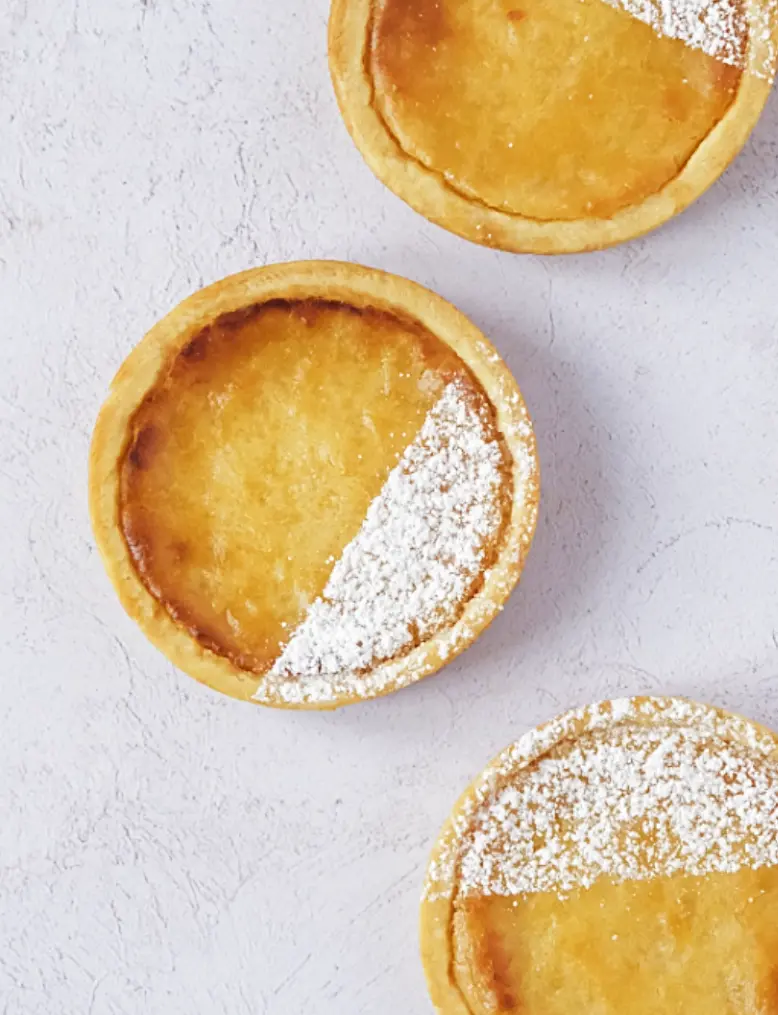
- Individual tartlets: make them in 8cm tart rings for a dinner-party finish. Same method, shorter blind-bake.
FAQ
What’s the difference between tarte au citron and tarte au citron meringuée?
Tarte au citron is the classic French lemon tart: sweet pastry and a sharp, silky lemon filling, with nothing on top. Tarte au citron meringuée is the same tart topped with meringue (usually torched), which is this recipe. Both are popular in France; the plain version is the original, and the meringue version is a beloved variation.
Why is my meringue weeping?
Usually one of two things: the lemon curd was still warm or not fully set when you added the meringue, or the meringue’s sugar didn’t fully dissolve over the bain-marie. Let the curd chill and set for at least 2 hours, and whisk the meringue over the heat until it’s completely smooth and no longer grainy.
What kind of meringue is best for a lemon tart?
Swiss meringue, which is what this recipe uses. Warming the whites and sugar over a bain-marie before whipping makes it the most stable, so it holds its shape, torches well and resists weeping. Italian meringue also works but is fussier; French meringue (raw whipped whites) weeps and doesn’t hold as well on a tart.
Do I need a blowtorch?
It gives the best result, quick, even, golden patches, but you can put the tart under a hot grill for 1 to 2 minutes instead. Watch it constantly, since the meringue goes from perfectly caramelised to burnt in seconds under a grill.


 Prep Time 40 minutes
  Cook Time 55 minutes
  Total Time 2 hours 35 minutes
  Servings 8
Description
Ingredients
For the pâte sablée
- 250 gr plain flour sifted
- 150 gr unsalted butter room temperature
- 80 gr icing sugar sifted
- 50 gr egg
- 1 pinch salt
For the lemon curd filling
- 3 egg
- 100 gr caster sugar
- 120 ml lemon juice about 4-5 lemons
- 2 lemons for the zest
- 80 gr unsalted butter
- 15 gr corn starch
For the Swiss meringue
- 4 egg
- 200 gr caster sugar
- 1 pinch salt
Equipment






Instructions
1. Make the pâte sablée / sweet shortcrust pastry
- Put the flour, butter, icing sugar and salt in a food processor. Pulse to breadcrumbs. Add the egg and pulse until it just comes together, don't overwork. Turn out, bring into a disc, wrap and chill at least 1 hour. (Full method on the pâte sablée page.)
2. Roll and line
- Roll out on a lightly floured surface to about 3mm. Line the fluted tart ring (set on the baking mat), pressing gently into the corners without stretching. Trim the edges, prick the base, and chill 30 minutes.
3. Blind bake
- Heat the oven to 180°C (160°C fan). Line the pastry with baking paper, fill with baking beans, and bake 20 minutes. Remove the beans and paper, then bake another 8–10 minutes until pale golden and dry. Patch any cracks with leftover raw pastry while hot. Cool.
4. Make the lemon curd
- Whisk the eggs, sugar and cornstarch in a double boiler. Add the lemon juice and zest. Set over barely simmering water (don't let the bowl touch the water) and stir constantly with a wooden spoon for 10–15 minutes, until thick enough to coat the back of the spoon. Off the heat, stir in the butter until melted and glossy. Pour into the cooled case while still warm, smooth the top, cool to room temperature, then chill at least 2 hours until set. (Full method on the lemon curd page.)
5. Make the Swiss meringue
- Put the egg whites, sugar and salt in a heatproof bowl over simmering water. Whisk constantly until the sugar dissolves completely, about 3–5 minutes (rub between your fingers, it shouldn't feel grainy; about 70°C). Off the heat, whip with an electric mixer on high for 5–7 minutes until stiff, glossy, and cooled to room temperature.
6. Top and torch
- Spoon or pipe the meringue over the chilled filling, rustic or neat, making sure it touches the pastry edge all the way round to stop it shrinking. Torch until golden in patches, keeping it moving. (No torch? A hot grill for 1–2 minutes, watching closely.) Rest 10 minutes, then slice with a hot, dry knife.
Notes
- Swiss meringue vs Italian vs French: Swiss is the most stable for this. Italian meringue (with hot sugar syrup) is fancier but fussier. French meringue (just whipped whites and sugar) weeps and doesn’t hold as well.
- The curd needs to be properly set before you add the meringue, or it’ll slide around when you try to spread it.
- Meringue weeping: If liquid pools under your meringue, the curd was too warm when you topped it, or the meringue wasn’t cooked enough over the bain-marie.
- Make ahead: You can make the tart base and lemon curd a day ahead. Add the meringue a few hours before serving for the best texture.
- No blowtorch? The grill works, but watch it carefully. It can go from perfect to burnt in seconds.
Share your feedback and spread the love!
If you try this recipe, I’d love to hear how it turns out! Leave a ★★★★★ rating and your thoughts in the comments, it helps fellow French foodies discover this recipe too. Snap a photo and tag @obviously.french on Instagram. Come talk about it in our Facebook group. And don’t forget to save this recipe to Pinterest so you’ll always have it handy for your next French-inspired meal!