 April 7, 2026
Disclosure: This post may contain affiliate links which provide us a small commission when used for purchase. Please read my disclosure policy for more information. I am grateful for your support!
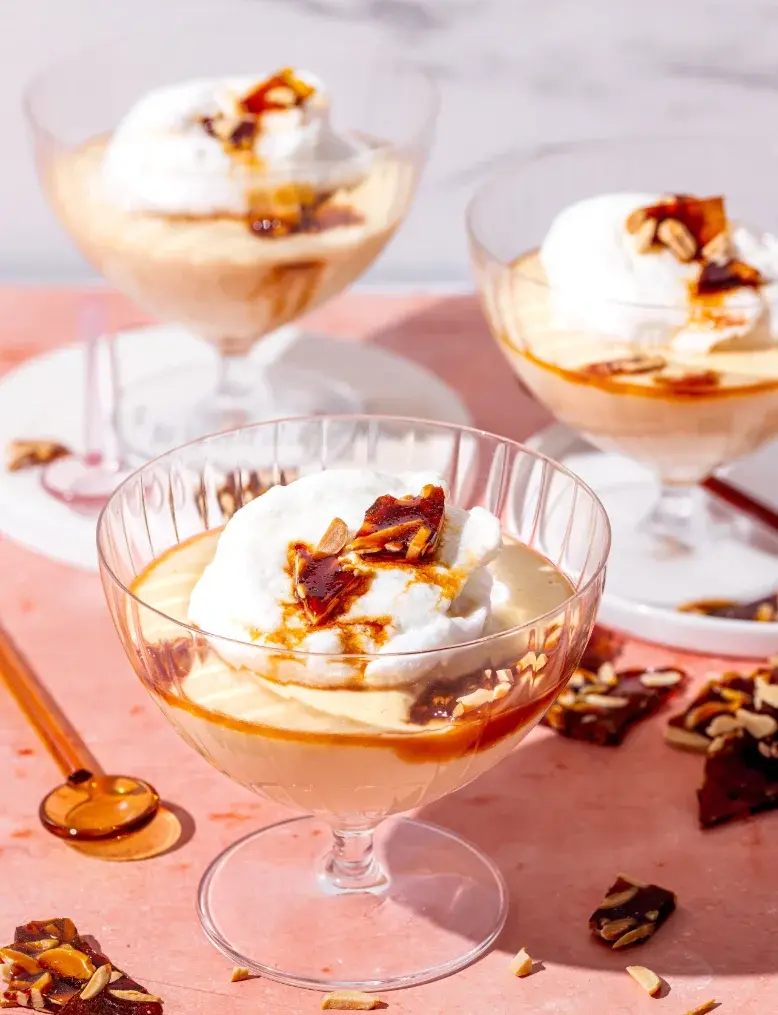
A floating island (or île flottante in French) might be the strangest dessert in the whole French repertoire. Strange in a good way though, and it’s all about the textures.
The “island” itself is a sweet barely-there cloud of poached meringue, soft and foamy and almost weightless. And it sits on a pool of cool crème anglaise, all warm vanilla and gentle goodness. The different textures are just amazing together! So if you’re someone who likes a bit of contrast in a dessert, this light, delicate one is for you. Same egg-and-vanilla comfort as a good crème brûlée, just lighter on the spoon.
Table of Contents
Where floating island comes from
This is a French dessert classic, and its history is a lovely tangle. The meringue-and-custard dessert we know today descends from oeufs à la neige, “eggs in the snow,” which appears as far back as 1651 in La Varenne’s Le Cuisinier François, one of the founding books of French cooking. Whipped egg whites, poached soft, floating on a vanilla custard.
But the twist that catches everyone out. is when Escoffier wrote down an île flottante in his 1903 Guide Culinaire, it was a completely different dessert, no meringue at all. His version was slices of stale Savoy sponge soaked in kirsch and maraschino, layered with apricot jam, currants and chopped almonds, wrapped in whipped cream and served with custard.
But over the 20th century the pretty name “floating island” drifted across to the meringue dessert, and the sponge version faded away. So the île flottante you’ll make today is really oeufs à la neige wearing a borrowed name!
Ingredients
- Eggs – Separated: the whites are whipped and poached into the meringue islands, the yolks go into the custard. Free-range, and as fresh as you can, since they carry the flavour.
- Whole milk – For poaching the meringues and making the crème anglaise. Whole milk gives a richer custard.
- Caster sugar – Used in three places: a little in the meringue, more in the custard, and for the caramel on top. It dissolves quickly, which is what you want.
- Vanilla – A split pod is best, for the crème anglaise. Its fragrance is the backbone of the custard.
- Flaked almonds – Toasted, scattered over to serve. Optional, but the crunch against the soft meringue is lovely.
How to make floating island
1. Make the crème anglaise
Warm the milk with the split vanilla pod, then whisk it slowly into the yolks beaten with sugar. Return it to a low heat and stir constantly until it thickens just enough to coat the back of a spoon, then take it straight off. Don’t let it boil, or the yolks scramble and you’ll get sweet scrambled eggs. If you’ve a thermometer it wants about 82°C; otherwise trust the spoon. Strain it and chill it, since it’s served cold.
2. Poach the meringues
Whip the egg whites to soft peaks, then add the sugar and whip to a firm, glossy meringue. Bring a wide pan of milk (or milk and water) to a bare simmer, barely trembling, and drop in spoonfuls of meringue. Poach them gently, a minute or so each side, turning once, until just set to the touch. Lift them out with a slotted spoon onto kitchen paper. Too fierce a simmer and they balloon then deflate, so keep it gentle.
3. Make the caramel
Melt the sugar in a dry pan over medium heat, without stirring, swirling the pan now and then, until it turns a deep amber. Then work fast: caramel goes from perfect to burnt in seconds. Take it straight off the heat the moment it’s amber.
4. Assemble
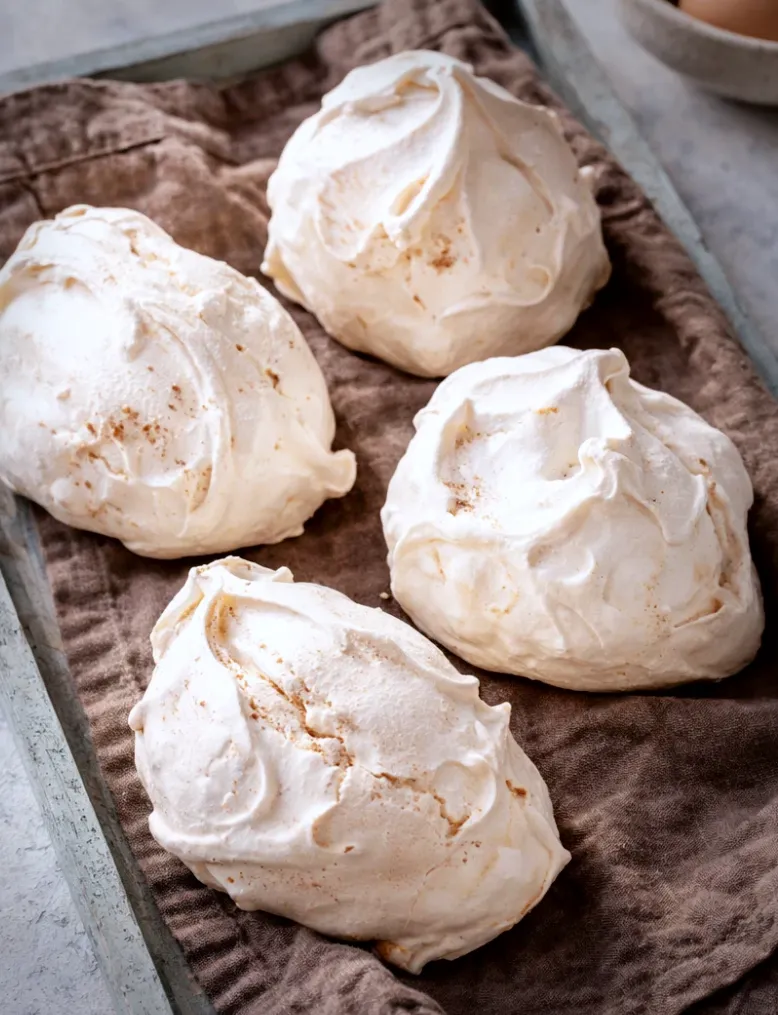
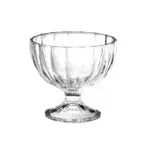
Pour the cold crème anglaise into glass dessert bowls. Float the meringues on top, then drizzle the hot caramel over in fine threads so it sets brittle. Scatter with toasted flaked almonds and serve. Do the caramel at the last minute, since it softens if it sits on the custard too long.
Tools for this recipe
Check out my favorite kitchen essentials and cookware!
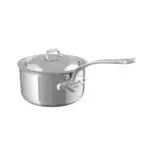
- Use a heavy saucepan to cook the crème anglaise gently and evenly, so the yolks don’t catch and scramble.
- Use an electric whisk to whip the egg whites to a firm, glossy meringue.
- Use a wide saucepan to poach the meringues, so they have room to float without touching.
- Use a skimmer spoon to lift the poached meringues out cleanly.
Tips for success
- Don’t let the crème anglaise boil. This is the whole game with the custard. Cook it gently, stirring constantly, and take it off the heat the moment it coats the back of a spoon. Boiling scrambles the yolks. If you’ve a thermometer, 82°C is the mark.
- Keep the poaching milk barely simmering. A gentle, trembling simmer sets the meringues softly. A rolling boil makes them puff up and then collapse, so keep the heat low.
- Whip the whites to firm and glossy. Soft, underwhipped whites won’t hold their shape in the milk. Whip to firm, glossy peaks with the sugar in, and they’ll poach into neat clouds.
- Watch the caramel constantly. It goes from amber to acrid-burnt in seconds, so don’t step away, and take it off the heat the moment it’s the right deep gold. It keeps cooking in the hot pan, so err on the early side.
- Make it ahead, assemble at the last minute. Custard and meringues both keep in the fridge, but drizzle the caramel on just before serving, since it softens and dissolves on the custard if it sits.
How to store it
- Île flottante is best assembled just before serving, but the components keep beautifully, which makes it a great make-ahead.
- The crème anglaise keeps in the fridge for up to 3 days, covered with clingfilm pressed onto the surface so it doesn’t form a skin. The poached meringues keep for up to a day, covered, in the fridge, though they’re at their lightest fresh. So make the custard and meringues ahead, keep them chilled, and assemble with fresh caramel in elegant glass dessert bowls just before serving.
- Once assembled it doesn’t keep, the caramel dissolves into the custard and the meringues soften. It’s a make-and-serve dessert at the final step, which is no hardship given how fast the assembly is.
More dessert recipes to try
Variations
- Less sugar. The custard and meringue are both fairly restrained already, so the easiest cut is the caramel, use less, or skip it and finish with toasted almonds or a little fresh fruit instead. You can also reduce the sugar in the custard slightly (drop it by about a quarter), since the vanilla carries a lot of the flavour. The meringue needs its sugar to hold structure, so leave that as is.
- Praline or pink praline. Instead of (or as well as) caramel, scatter crushed praline or the pretty pink pralines roses over the top, a classic French finish.
- A fruit purée base. Serve the meringues on a sharp raspberry or passion fruit coulis instead of, or alongside, the custard, for a fresher, tarter version.
- Coffee or chocolate custard. Infuse the crème anglaise with coffee, or stir in a little melted chocolate, for a different flavour under the meringue.
- Orange blossom. Perfume the poaching milk or the custard with a little orange blossom water, a very old, very traditional touch (it’s in the earliest recipes).
- Baked island (the strict île flottante). For one large “island,” bake the meringue in a caramel-lined mould in a bain-marie, then turn it out onto the custard. More dramatic to serve.
FAQ
What’s the difference between île flottante and oeufs à la neige?
Officially, it’s how the meringue is cooked. Oeufs à la neige are egg whites poached in spoonfuls in simmering milk, giving several light clouds; île flottante is the whites baked in a mould, giving one larger, smoother island. Both sit on vanilla crème anglaise with caramel. In everyday French use, the names are used interchangeably.
How do I stop my crème anglaise from curdling?
Cook it gently and never let it boil. Stir constantly over low heat until it just coats the back of a spoon (about 82°C), then take it off immediately. If it does start to curdle, take it off the heat and whisk hard, or blitz and strain it, to bring it back.
Can I make floating island ahead of time?
Yes, it’s ideal for it. Make the crème anglaise (keeps 3 days) and poach the meringues (keep a day) ahead, and chill them. Then assemble and drizzle the caramel just before serving, since the caramel softens if it sits on the custard.
Why did my meringues collapse?
Usually the poaching milk was too hot. Keep it at a bare, trembling simmer, not a rolling boil, or the meringues puff up and then deflate. Whipping the whites to firm, glossy peaks first also helps them hold their shape.
Can I use the leftover egg yolks or whites?
That’s the beauty of this dessert, it uses both. The yolks go into the crème anglaise and the whites into the meringue, so nothing’s wasted. It’s one of the most economical desserts in the French repertoire for exactly that reason.


 Prep Time 20 minutes
  Cook Time 25 minutes
  Total Time 2 hours 45 minutes
  Servings 6
Description
Ingredients
For the crème anglaise
- 500 ml whole milk
- 1 vanilla pod
- 4 eggs yolk
- 60 gr caster sugar
For the meringue
- 4 eggs whites
- 60 gr caster sugar
- 500 ml whole milk
For the caramel sauce (optional)
- 100 gr caster sugar
- 30 ml water
To serve
- 30 gr flaked almonds
Equipment



Instructions
1. Infuse the milk
- Pour the 500ml milk into a saucepan. Scrape in the seeds from the split vanilla pod and add the pod too. Warm gently until steaming (not boiling), then take off the heat and leave to infuse for 10 minutes.
2. Make the crème anglaise
- In a separate bowl, whisk the egg yolks and sugar until pale. Slowly pour the warm infused milk onto the yolks, whisking constantly. Return to the pan over low heat and stir constantly with a whisk or heat-resistant spatula until it coats the back of a spoon (about 82°C). Don't let it boil, or the yolks will scramble. Strain into a bowl and chill for minimum 2 hours.
3. Whip the meringue
- Using an electric mixer or stand mixer, whip the egg whites to soft peaks, then add the sugar and whip to firm, glossy peaks
3. Poach the meringue
- Bring the poaching milk to a bare simmer in a wide pan. Drop in spoonfuls of meringue and poach gently for about 1 minute each side, turning once, until just set. Lift out with a slotted spoon onto kitchen paper.
4. Make the caramel (optional)
- Melt the sugar in a dry pan over medium heat, without stirring, swirling occasionally, until deep amber. Take off the heat immediately.
5. Assemble
- Pour the cold crème anglaise into shallow bowls. Float the meringues on top. Drizzle the hot caramel over in fine threads. Scatter with toasted almonds and serve.
Notes
- Don’t let the custard boil, or the yolks scramble. Off the heat the moment it coats a spoon.
- Keep the poaching milk barely simmering, or the meringues puff and collapse.
- Watch the caramel constantly; it burns in seconds. Off the heat the moment it’s amber.
- Make ahead: custard keeps 3 days, meringues a day. Add caramel just before serving.
- Uses the whole egg: yolks for the custard, whites for the meringue. Nothing wasted.
Share your feedback and spread the love!
If you try this recipe, I’d love to hear how it turns out! Leave a ★★★★★ rating and your thoughts in the comments, it helps fellow French foodies discover this recipe too. Snap a photo and tag @obviously.french on Instagram. Come talk about it in our Facebook group. And don’t forget to save this recipe to Pinterest so you’ll always have it handy for your next French-inspired meal!