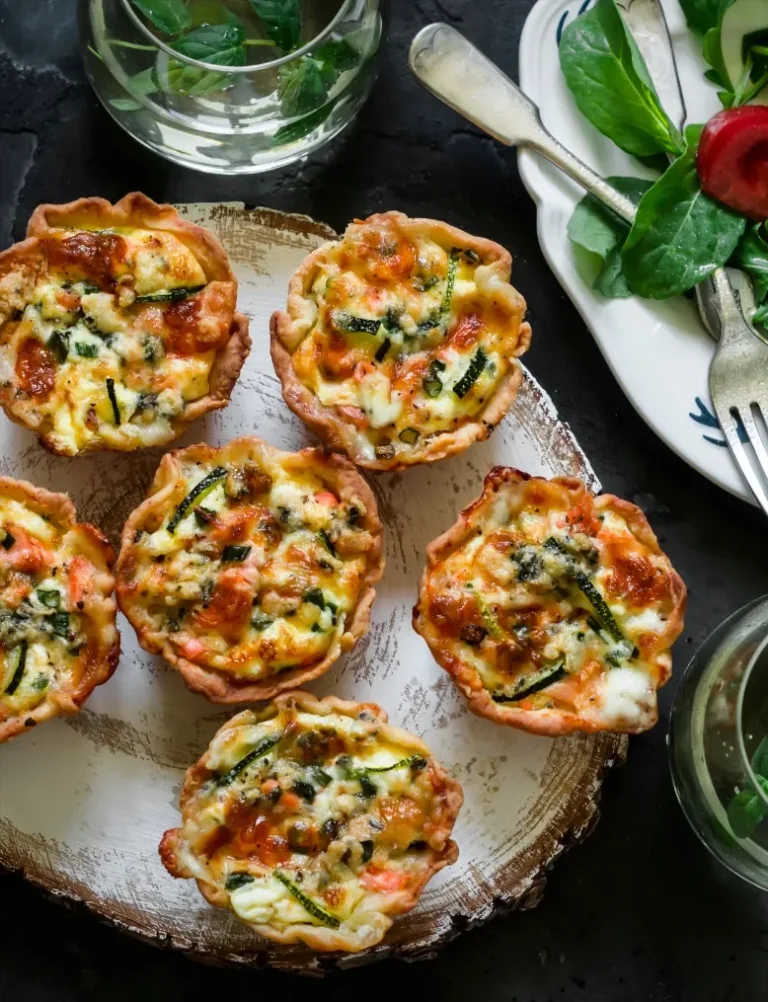
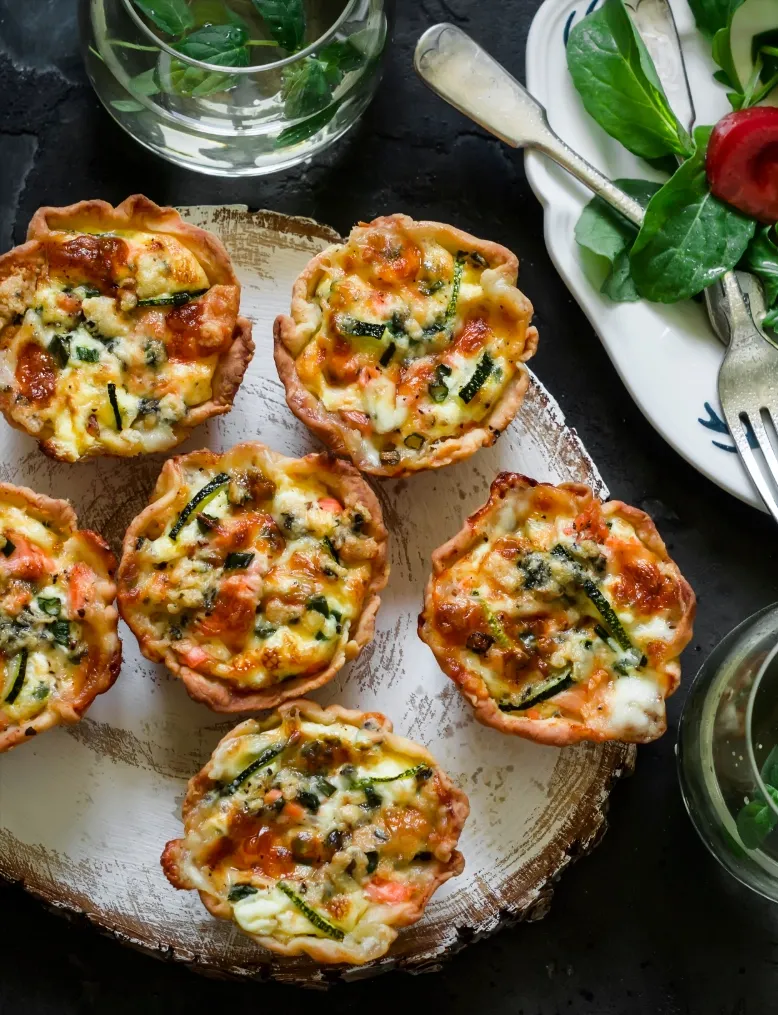
Mini Quiches Salmon Courgettes
 Prep Time 20 minutes
  Cook Time 30 minutes
  Total Time 50 minutes
  Servings 12 Mini Quiches
Ingredients
For the shortcrust pastry
- 250 gr plain flour
- 125 gr unsalted butter chilled and diced
- 1 pinch salt
- 1 egg
- 2 tbsp water
For the filling
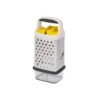
- 1 courgette coarsely grated
- 100 gr smoked salmon
- 3 egg
- 100 ml whole milk
- 200 ml crème fraîche
- salt and black pepper
- 1 handful basil
Equipment
Instructions
1. Make the shortcrust pastry
- In a large bowl or food processor, rub or pulse the flour, salt, and diced butter together until the mixture resembles fine breadcrumbs. Add the beaten egg and 2 tbsp cold water, mixing gently until the dough comes together. If needed, add extra water one teaspoon at a time. Wrap in cling film and chill for 20 minutes.
2. Prepare the pastry cases
- Lightly flour a work surface and roll out the chilled dough to about 3 mm thickness. Cut out circles slightly larger than the mini tartlets mould. Gently press the pastry circles into the mould, trimming any excess dough.
3. Prepare the courgette and salmon filling
- Grate the courgette and squeeze out excess moisture with a clean tea towel. Flake the smoked salmon and tear the basil leaves finely.
4. Mix eggs, cream, and milk
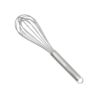
- In a bowl, whisk together the eggs, crème fraîche, and milk until smooth. Season with salt and plenty of freshly ground black pepper.
5. Assemble the mini quiches
- Evenly divide the courgette, salmon, and basil between the pastry cases. Pour the egg mixture over the fillings, filling each case about three-quarters full.
6. Bake
- Bake in a preheated oven at 180°C (350°F) for 25-30 minutes, or until the filling is set and the pastry is golden brown.
7. Cool and serve
- Allow the mini quiches to cool slightly before removing from tins. Serve warm or at room temperature.
Notes
- Resting the shortcrust pastry before rolling ensures crisp, tender cases.
- Avoid overworking the dough to prevent toughness.
About this recipe
Mini quiches are one of those things French home cooks make without much fuss and serve at almost any occasion. Apéro, brunch, a picnic, a lunch box. They travel well, they reheat well, and they look considerably more impressive than the effort involved. This salmon courgette version is the one that disappears fastest from every table.
Why mini quiches work better than one large one
A full-sized quiche is a commitment. It needs slicing, serving, and it doesn’t travel well. Mini quiches solve all of that. Each one is a single portion, self-contained, with its own crispy pastry shell. The ratio of crust to filling is better too. More surface area means more golden pastry per bite, and in a shortcrust quiche that’s always a good thing.
The French have been making individual tartlets and mini quiches for the apéritif table for decades. They sit alongside olives, charcuterie, and cheese without taking over, and they give guests something to eat with their hands rather than balancing a plate. Practical, elegant, and very French.
The courgette and salmon combination
Courgette and salmon is a pairing that works because both ingredients are delicate enough not to compete with each other. Smoked salmon brings salt and richness. Courgette brings freshness and a slight sweetness that cuts through the cream in the custard. Together they create a filling that feels light despite being made with crème fraîche and egg.
The key with courgette is removing the moisture before it goes into the pastry case. Grated courgette holds a significant amount of water, and if you don’t squeeze it out properly it releases during baking, making the custard watery and the pastry soft. Squeeze it in a clean cloth until you can’t get any more liquid out. It takes thirty seconds and makes a real difference to the finished result.
The smoked salmon doesn’t need cooking before it goes in. It finishes cooking in the oven inside the custard, which keeps it tender rather than dry. Flake it roughly rather than cutting it neatly. Irregular pieces distribute more evenly through the filling.
The shortcrust pastry
This salmon and courgette recipe uses homemade shortcrust rather than bought pastry, and it’s worth doing. The difference in flavour and texture is significant. Bought shortcrust tends to be thinner, tougher, and less buttery than homemade. In a mini quiche where the pastry is a large part of each bite, that matters.
The key to good shortcrust is cold butter and minimal handling. Work quickly, chill the dough before rolling, and don’t overwork it. Overworked shortcrust develops gluten and turns tough. Properly handled shortcrust is short, crumbly, and slightly sandy, exactly what you want here.
Rest the dough in the fridge for at least 20 minutes before rolling. This relaxes the gluten and makes the dough easier to roll without it springing back. It also firms up the butter, which means the pastry holds its shape in the mould rather than slumping.
The right mould for mini quiches
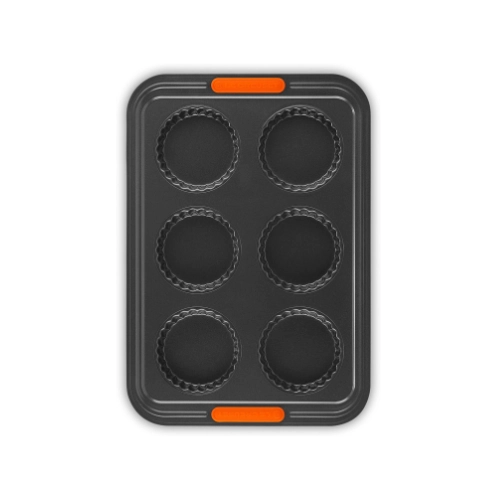
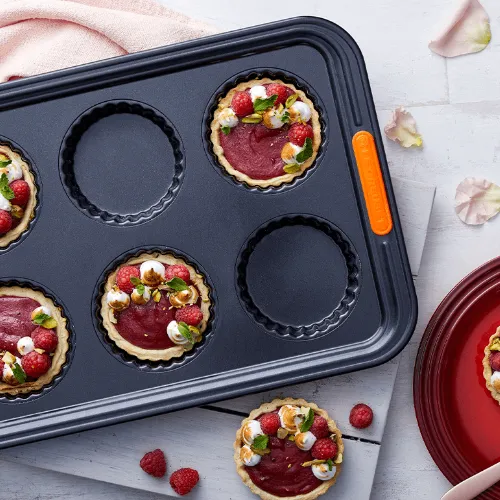
Consistent mini quiches need a consistent mould. I use the Le Creuset mini tartlets mould for this recipe. The non-stick surface releases the pastry cleanly without tearing, which matters when the cases are small and fragile. The depth is right for the amount of filling this recipe uses, and the even heat distribution means the pastry bases cook through properly rather than staying pale whilst the tops brown. It goes straight to the table for serving, which saves time and washing up.
Making them ahead
These mini quiches reheat well, which makes them ideal for entertaining. Bake them the day before, store covered in the fridge, and reheat in a low oven for 8 to 10 minutes before serving. They also freeze well once baked and cooled. Reheat from frozen in a moderate oven for about 15 minutes.
The pastry cases can also be blind baked ahead of time and the filling added and baked on the day. This keeps the pastry at its crispiest and is worth doing if you have the time.
Share your feedback and spread the love!
If you try this recipe, I’d love to hear how it turns out! Leave a ★★★★★ rating and your thoughts in the comments, it helps fellow French foodies discover this recipe too. Snap a photo and tag me @obviously.french on Instagram if you’re sharing your bake or cooking online. Don’t forget to save this recipe to Pinterest so you’ll always have it handy for your next French-inspired meal!
Disclosure: Just so you know, this post contains sponsored content and/or affiliate links, If you make a purchase through these links, I may receive a small commission. Doesn’t cost you anything extra. I only link to things that are actually worth your time. All opinions are my own!