 September 13, 2026
Disclosure: This post may contain affiliate links which provide us a small commission when used for purchase. Please read my disclosure policy for more information. I am grateful for your support!
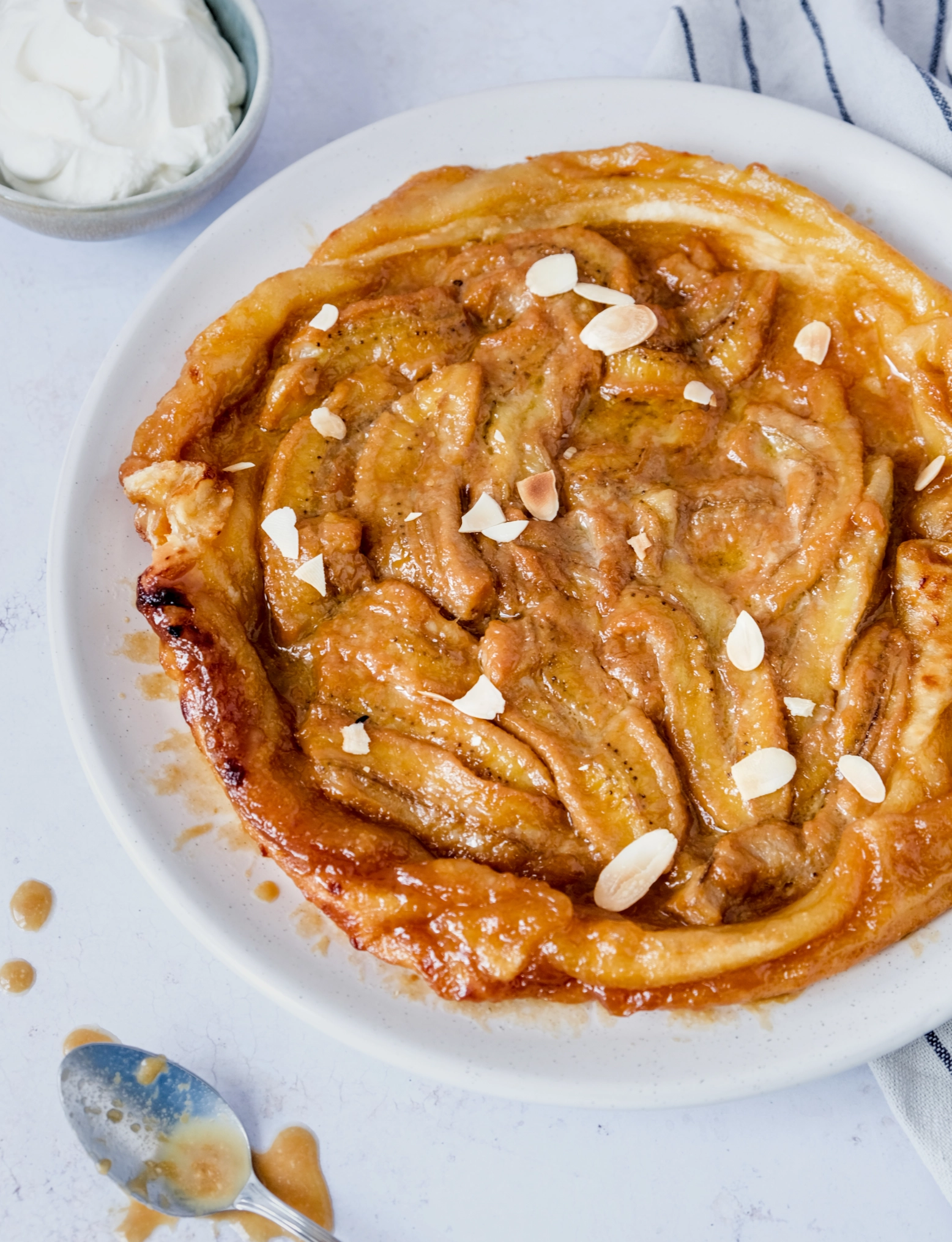
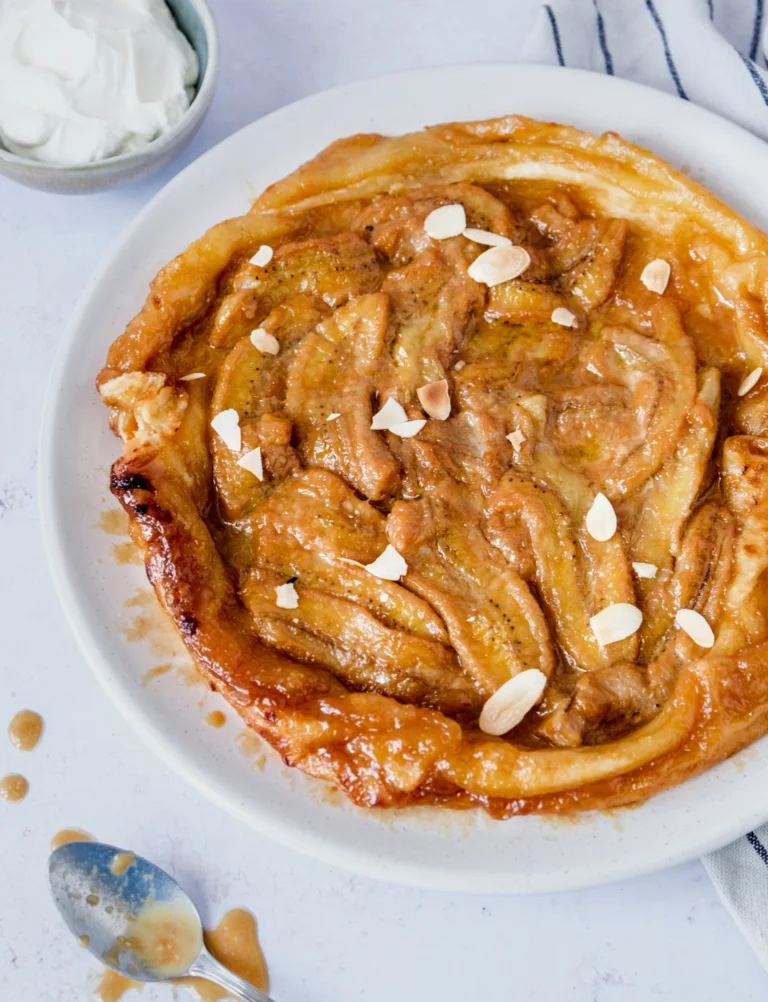
It happens to all of us. You buy bananas with the best intentions, and they sit there turning sweeter and browner by the day until you realise you really have to do something with them, because wasting good fruit is a crime. So this morning, after cursing myself for forgetting them again, I decided to try something new, at least for me: a banana tarte tatin.
Not much is needed for this one, and if you’re in a rush or have guests turning up unexpectedly, it comes together in minutes. It isn’t the famous tarte tatin, the way the apple original is, or even the onion and leek savoury versions I’ve made. But I’m here to change that, because sweet bananas in dark caramel with a little whipped cream are honestly to die for.
One thing before you start: reach for your bananas while they’re still firm, yellow with a few brown speckles, not the black, collapsing ones. Ripe enough to be sweet, firm enough to hold their shape. More on why below.
Table of Contents
Where a banana tarte tatin comes from
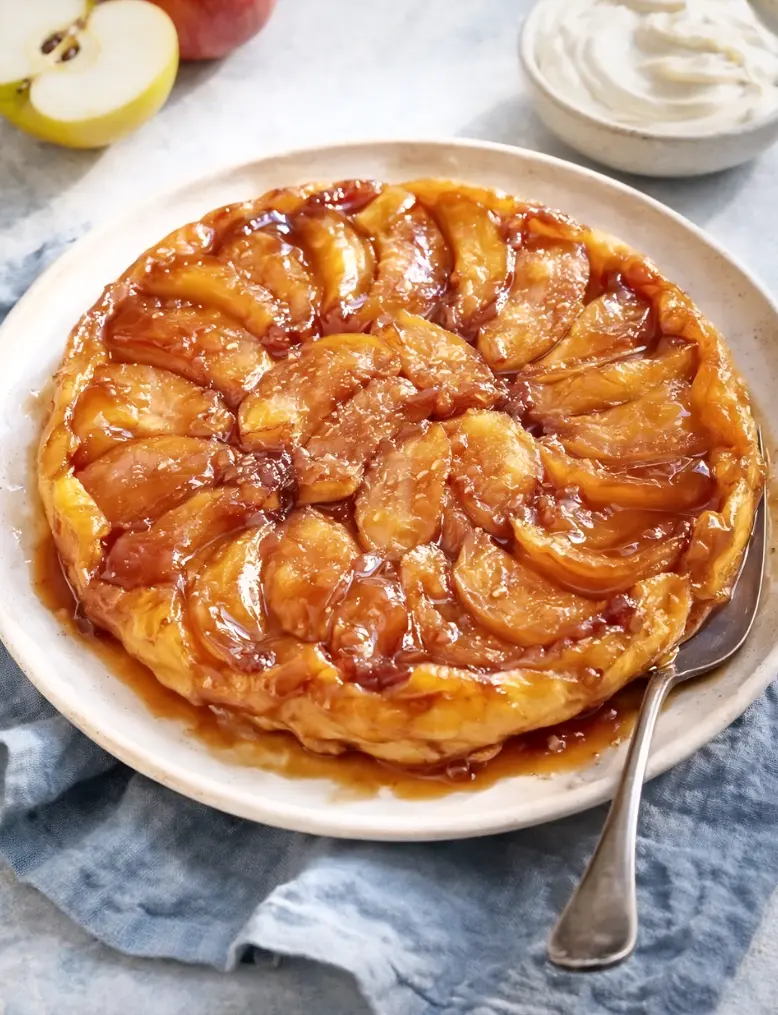
The tarte tatin itself is Norman, an apple dessert born by happy accident, and I’ve told that whole story over on the apple tarte tatin. The banana version has a different home: the French Antilles.
In Martinique, an overseas region of France where bananas are one of the great crops, the banana tarte tatin is well loved. It’s often made with a caramel enriched with coconut milk, and given the island’s usual accents of rum, lime and cane sugar. The coconut rounds out the caramel, the rum and lime cut the sweetness, and the result is unmistakably Caribbean. Bananas grow across Martinique and Guadeloupe on French soil, so it makes sense that this is where the fruit found its way under the pastry, turning a mainland classic into something of the islands.
However you flavour it, the principle stays the same: fruit caramelised in the pan, pastry laid on top, the whole thing flipped to serve. Bananas take to it beautifully, since they caramelise fast and go meltingly soft under the pastry.
Ingredients
- Firm-ripe bananas — the one thing not to compromise on. Yellow with a few brown speckles, still firm to a squeeze. Very ripe black-skinned bananas have no structure left and collapse into liquid under the pastry. Sweetness isn’t the problem but shape is.
- Caster sugar — for the caramel. Plain white caster sugar is correct here, since the colour comes from cooking it, not from any molasses. Don’t reach for brown sugar.
- Salted butter — whisked into the caramel off the heat, cold and cubed, which gives it body and a salted edge against the sweet fruit.
- Dark rum — drizzled over the bananas, and a classic partner to them. It cuts the sweetness and adds a warm depth.
- Vanilla and lemon zest — vanilla for roundness, and the zest of half a lemon (no juice) for a little brightness against the caramel.
- Flaky salt — a pinch in the caramel, which lifts the whole thing and stops it being flatly sweet.
- All-butter puff pastry — This is your lid. Butter is what gives it the shatter and flavour, so avoid anything made with vegetable fat.
- Flaked almonds and cream — toasted almonds scattered over at the end for crunch, and softly whipped cream to serve.
How to make a banana tatin
1. Prepare the pastry and bananas
Heat the oven to 180°C fan. Peel the bananas and halve them lengthways.
2. Make the caramel
Put the sugar and water in a dry stainless pan over medium heat. Don’t stir, just swirl the pan. It will bubble, thicken, then colour from the edges in. Take it to amber, about 7 minutes, and pull it off the heat just before the shade you want, since the hot pan keeps cooking it.
3. Butter and flavour the caramel
Off the heat, whisk in the cold butter, which hisses and foams, then the vanilla, lemon zest and fleur de sel. Let it sit three minutes to firm up slightly. It should look like a thick glossy caramel, not a pourable sauce, and this is the structure that holds the finished tart together.
4. Arrange the bananas
Lay the banana halves cut-side down on the caramel, packed tightly from the outside in, trimming pieces to fill the gaps. The tighter they sit, the better the tart holds together. Drizzle the rum over the top. Don’t cook them on the hob at all, since they need no pre-cooking.
5. Lid it and bake
Lay the chilled pastry over the top and tuck the overhang down inside the pan around the bananas. Cut three or four steam vents in the centre, which is what stops the underside going to paste. Bake for 30 minutes, until deep golden and well risen.
6. Toast the almonds and whip the cream
While it bakes, toast the flaked almonds in a dry pan for about 4 minutes until golden, then tip them straight onto a cold plate so they stop cooking. Whip the chilled cream with the icing sugar to soft peaks, so it flops gently off the whisk rather than standing stiff, and keep it in the fridge.
7. Rest, flip and finish
Rest the tart just five minutes, no more. Run a knife around the edge, put a plate over the pan, and flip in one committed movement. If it sticks, warm the base on the hob for a few minutes and try again. Scatter the almonds over so they stay crisp, and serve warm with the cream!
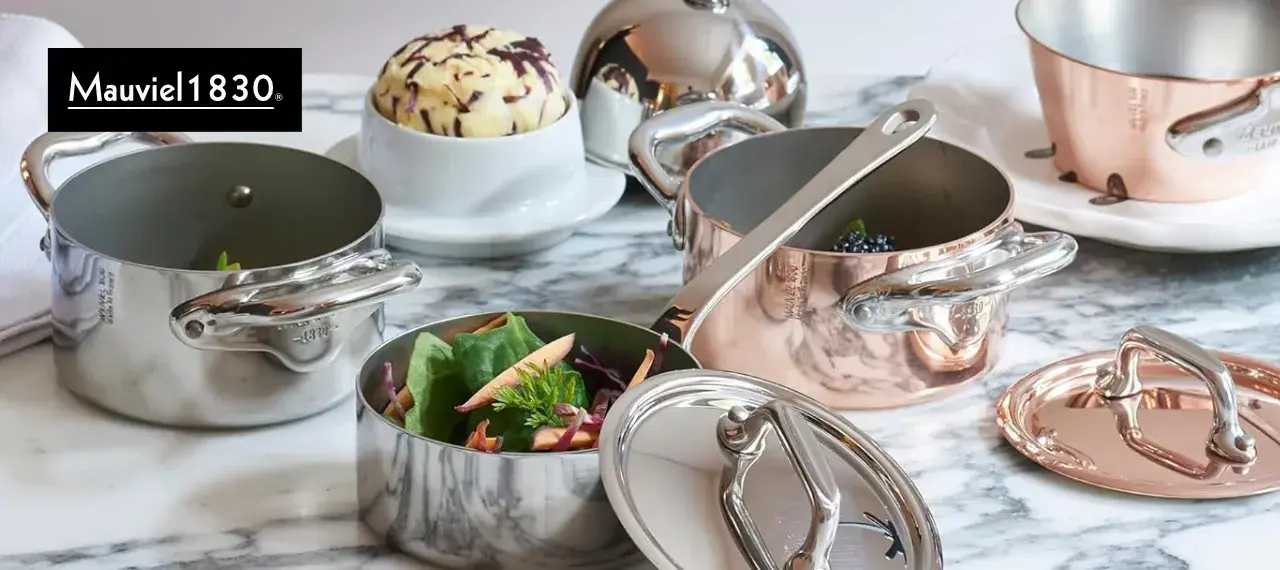
Tools for this recipe
Check out my favorite kitchen essentials and cookware!
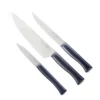
- Use an ovenproof frying pan of about 24cm, ideally stainless steel, so you can make the caramel and bake in the same pan.
- Use a whisk to beat the cold butter into the caramel smoothly.
- Use a non-stick frying pan to toast the almonds in a single layer.
Tips for success
- Use firm-ripe bananas, never black ones: really overripe bananas collapse into liquid under the pastry and the tart won’t hold. You’re looking for yellow with brown speckles still firm to a squeeze. If yours are softer, cut them into 3cm rounds rather than lengthways halves and expect a rustic result.
- Have the butter beside the hob before you start the caramel: dropping the cold butter in stops the cooking dead, so you can’t overshoot the colour. Aim for amber, like dark maple syrup.
- Don’t stir the caramel, swirl it: stirring encourages it to crystallise into grains. If it does seize into lumps, add a tablespoon of water and warm gently until it dissolves again.
- Cut steam vents in the pastry: they let the moisture escape so the underside crisps instead of going to paste.
- Rest only shortly before flipping: if you wait longer, the caramel sets and glues the bananas to the pan, so flip while it’s still hot and mobile.
How to store it
- At room temperature: Best eaten warm, the day it’s made, when the caramel is still soft and the pastry crisp. It’ll sit a few hours, though the pastry softens as the caramel soaks in.
- In the fridge: Keeps a day or two covered. Reheat in a moderate oven rather than a microwave, which turns the pastry leathery, to bring back some crispness. The bananas darken a little but the flavour holds.
- In the freezer: Not recommended. Bananas and puff pastry both suffer on thawing, and the caramel weeps. This is a make-and-eat dessert.
More fruit dessert recipes to try
Variations
- With more rum, flambéed: warm an extra splash of rum, pour it over the flipped tart and flambé it at the table, for a bit of theatre.
- Banana and salted caramel: lean harder into the salt with a more generous pinch of fleur de sel, playing up the salted-caramel-banana combination.
- With chocolate: grate a little dark chocolate over the hot tart before the almonds, which melts into the caramel.
- Banana and passion fruit: spoon a little passion fruit pulp over the flipped tart, the sharpness cutting the sweetness beautifully.
- With pecans instead of almonds: toasted pecans suit bananas even better than almonds, for a more American banana-bread flavour.
- With crème fraîche instead of whipped cream: the tang cuts the sweetness, if you find the whipped cream too rich.
FAQ
What bananas are best for a banana tarte tatin?
Firm-ripe ones, yellow with a few brown speckles and still firm to a squeeze. Overripe black bananas have no structure and collapse into liquid under the pastry, so the tart won’t hold its shape.
Do you cook the bananas before baking?
No. Unlike apple tarte tatin, the bananas need no pre-cooking on the hob. They go raw onto the caramel and cook through in the oven, which keeps them from turning to mush.
Why is my banana tarte tatin watery?
Usually the bananas were too ripe, or liquid was added to the pan. Use firm bananas, add no lemon juice or water beyond the caramel, and cut steam vents in the pastry so moisture escapes.
What pastry is best for tarte tatin?
All-butter puff pastry (pâte feuilletée pur beurre), which puffs and shatters and browns properly. Shortcrust also works for a denser base, but puff is the classic lid.
Can you make banana tarte tatin ahead of time?
It’s best flipped and served warm, so it doesn’t wait well. You can prepare the caramel and have everything ready, then assemble and bake close to serving.


 Prep Time 20 minutes
  Cook Time 30 minutes
  Total Time 50 minutes
  Servings 6
Description
Ingredients
- 250 gr all-butter puff pastry 1 sheet
- 5 bananas firm-ripe, about 500g peeled
- 100 gr caster sugar
- 2 tbsp water
- 40 gr salted butter cold, cubed
- 1 tbsp dark rum
- ½ tsp vanilla extract or seeds of half a pod
- ⅓ tsp flaky salt
- lemon zest optional
For the whipped cream
- 200 ml Double cream well chilled
- 1 tbsp icing sugar
For serving
- 40 gr flaked almonds
Equipment


Instructions
1. Prep
- Heat the oven to 180°C fan. Zest the lemon. Peel the bananas and halve each lengthways.
2. Make the caramel
- Put the sugar and water in a dry stainless pan over medium heat. Don't stir, just swirl. Take it to amber, about 7 minutes, pulling it off the heat just before the shade you want.
3. Butter and flavour it
- Off the heat, whisk in the cold butter (it will hiss and foam), then the vanilla, lemon zest and flaky salt. Let it sit 3 minutes to firm up. It should be a thick glossy caramel, not a pourable sauce.
4. Arrange the bananas
- Lay the banana halves cut-side down on the caramel, packed tightly from the outside in, trimming to fill the gaps. Drizzle over the rum. Don't cook them on the hob.
5. Lid it and bake
- Lay the chilled pastry over the top and tuck the overhang down inside the pan. Cut 3–4 steam vents in the centre. Bake for 30 minutes, until deep golden and risen.
6. Toast the almonds and whip the cream
- Toast the flaked almonds in a dry pan for about 4 minutes until golden, then tip onto a cold plate. Whip the cream with the icing sugar to soft peaks and chill.
7. Rest, flip, finish
- Rest the tart a moment but not too long. Run a knife around the edge, put a plate over the pan, and flip in one movement. If it sticks, warm the base on the hob and try again. Scatter over the almonds and serve warm with the cream!
Notes
- Pan: 24cm ovenproof. For 20cm use 4 bananas and 80g sugar; for 28cm, 7 bananas and 130g.
- The bananas are the one ingredient not to compromise on. Firm-ripe, never black and collapsing.
- Have the butter beside the hob before you start the caramel, so you can stop the colour dead.
- Add the almonds after flipping, so they stay crisp.
Share your feedback and spread the love!
If you try this recipe, I’d love to hear how it turns out! Leave a ★★★★★ rating and your thoughts in the comments, it helps fellow French foodies discover this recipe too. Snap a photo and tag @obviously.french on Instagram. Come talk about it in our Facebook group. And don’t forget to save this recipe to Pinterest so you’ll always have it handy for your next French-inspired meal!