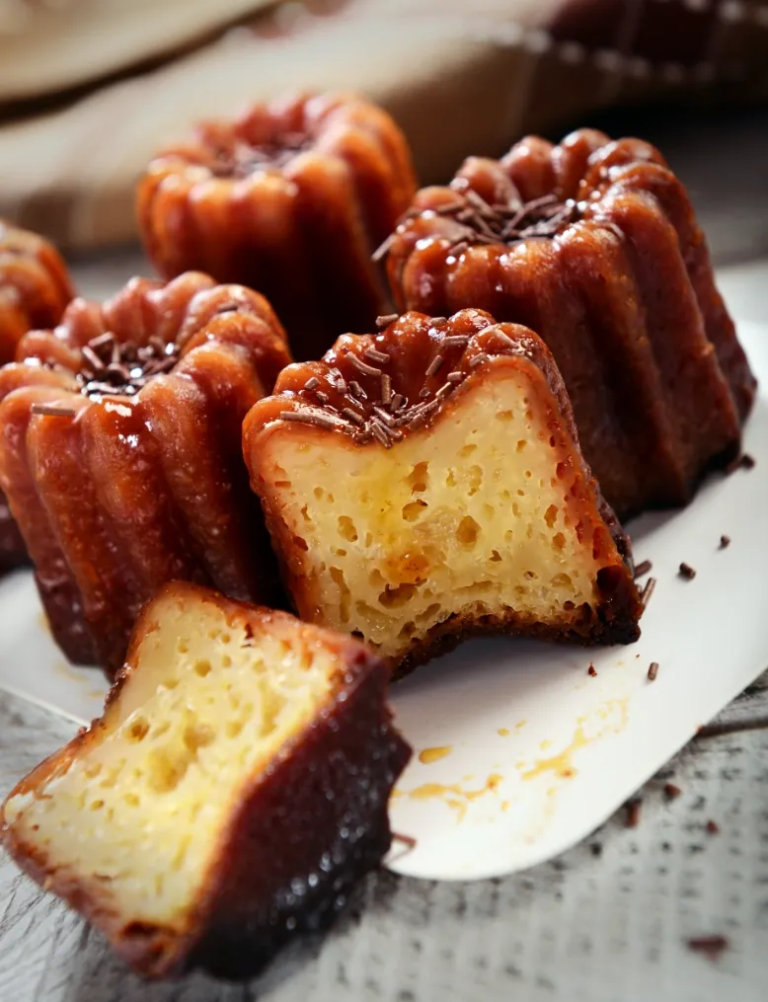
Canelés de Bordeaux
 Prep Time 20 minutes
  Cook Time 40 minutes
  Total Time 1 day 1 hour
  Servings 16 canelés
Ingredients
- 500 ml whole milk
- 50 gr unsalted butter plus extra for greasing
- 1 vanilla pod
- 250 gr caster sugar
- 125 gr plain flour
- 4 eggs 2 whole + 2 egg yolks
- 2 tbsp dark rum amber rum is traditional
Equipment
Instructions
1. Infuse the milk
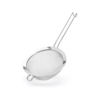
- Split the vanilla pod lengthways and scrape out the seeds with a knife. Put both the pod and seeds into a saucepan with the milk. Heat until just boiling, then remove from the heat immediately and let it sit for 30 minutes to infuse. The vanilla flavour develops during this time, don't skip it.
2. Mix the batter
- Whilst the milk's infusing, put the flour and sugar in a large bowl and mix them together. Add the whole eggs, egg yolks, and rum, then stir until combined. The mixture will be thick and paste-like at this stage, don't worry, the milk will loosen it up later.After the 30-minute infusion, fish the vanilla pod out of the milk with a sieve or spoon. Melt 50g butter in a small pan, then add it to the still-warm vanilla milk and stir it in.Now pour the milk and butter mixture into the bowl with your flour, egg, and rum paste. Whisk everything together until you have a smooth batter with no lumps. It'll be quite liquid, thinner than you'd expect for a cake batter, more like thin custard. That's exactly right.Cover the bowl with cling film and refrigerate overnight. Minimum 12 hours, but 24 is better. This rest is essential for the texture, so don't try to skip it.
3. Prepare the moulds
- Butter the inside of each mould thoroughly, getting into all the grooves. If you're using copper, be generous with the butter, it helps them release. Arrange the moulds on a baking tray.
4. Bake
- Preheat the oven to 240°C (220°C fan). Give the batter a good stir, it may have separated slightly in the fridge. Fill each mould about two-thirds full. The batter will puff up during baking, then sink back down. Bake at 240°C for 10 minutes. This initial blast creates the dark caramelised shell. Reduce the temperature to 180°C (160°C fan) and bake for another 30 minutes. Check them, they should be very dark brown, almost black in places. If they're still pale, give them another 10-15 minutes. The canelés will puff dramatically, then deflate as they cool, which is completely normal.
5. Cool and serve
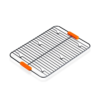
- Let them cool in the moulds for about 5 minutes, then tip them out onto a cooling rack. They should come out easily, but if one sticks, run a thin knife around the edge. Eat them warm or at room temperature. The shell's crispest when they're fresh, after a few hours it softens. Still good, just different.
Notes
- Copper moulds gives you the best caramelisation and most traditional results, but silicon moulds work fine. The canelés won’t be quite as dark, but they’ll still be good.
- Dark or amber rum is traditional. You want the deeper flavour, don’t use white rum.
- This recipe makes standard canelés about 5cm tall. If you’re using different sized moulds (larger or smaller), adjust the baking time. Smaller ones need less time; larger ones need more.
- Oven temperatures vary. If your canelés aren’t dark enough after the full baking time, your oven might run cool. Increase the temperature slightly next time.
- The overnight rest is essential. Don’t try to shortcut it.
- Canelés are best the day they’re made. The shell loses its crispness within a few hours. You can refresh them briefly in a hot oven (about 5 minutes at 180°C), but they’ll never be quite as good as fresh.
- You can freeze the batter for up to a month. Defrost it overnight in the fridge before using.
About this recipe
Canelés de Bordeaux have been made in Bordeaux for centuries, though pinning down their exact origin is tricky. The popular story involves 18th-century nuns at the Couvent des Annonciades using leftover egg yolks to make small cakes. The yolks were surplus from wine production: egg whites were used to clarify Bordeaux wines, leaving the yolks spare. Whether this is historical fact or romantic legend is anyone’s guess, but it is a good story and Bordeaux has stuck with it.
How canelés nearly disappeared
What is certain is that canelés de bordeaux nearly disappeared after the French Revolution when religious orders were dissolved. The nuns who had made them were gone, and the recipe went with them into obscurity. They were revived in the early 20th century by Bordeaux pâtissiers who pieced the recipe back together, but it was not until 1985 that the Confrérie du Canelé de Bordeaux was founded to protect and promote the tradition properly.
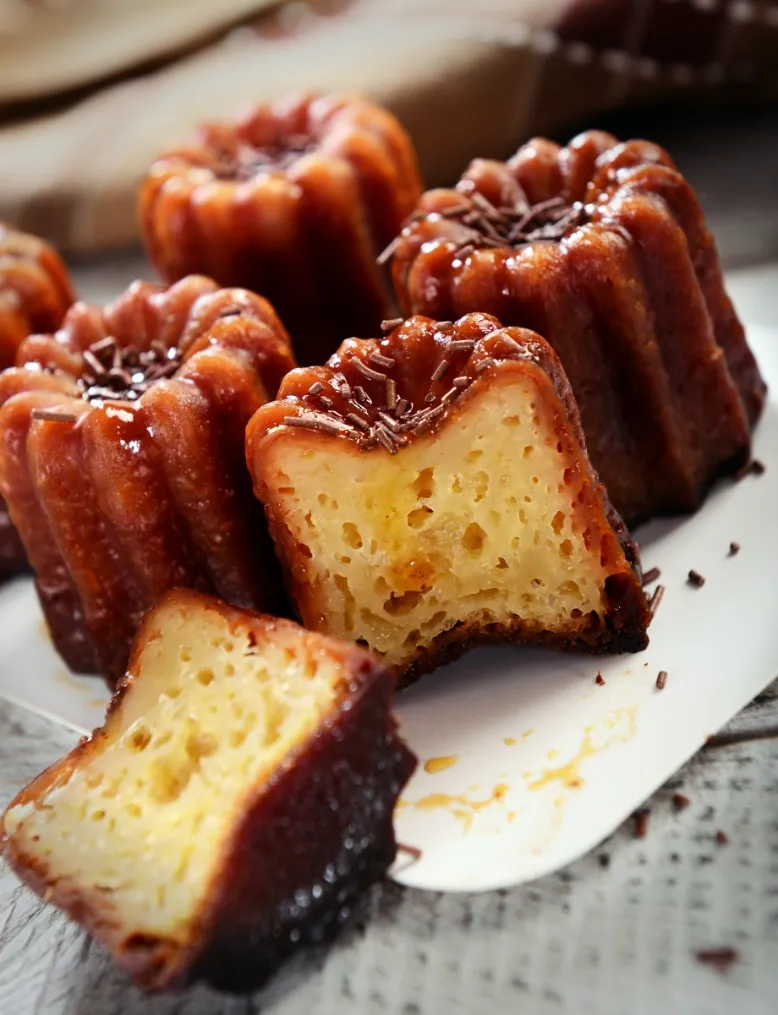
The Confrérie standardised the spelling too. One n in canelé, not two, though you will still see cannelé in older texts and on many menus. The canneles bordelais recipe in this sense has a formal, protected version, and the Confrérie takes it seriously. They judge on three criteria: how dark and caramelised the shell is, how soft and custardy the centre remains, and whether the rum and vanilla flavours come through clearly. Every element matters.
The technique
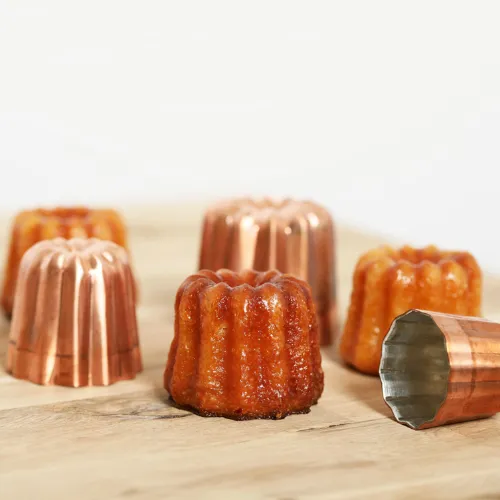
The canelé de bordeaux technique has not changed much in 200 years. The batter rests overnight, which allows the flour to hydrate fully and develops the custard-like interior texture that makes this caneles cake so distinctive. The two-stage baking process, fierce heat first and then lower, creates the contrast between the crisp, dark exterior and the soft centre that defines a proper canelé. Get the temperature wrong and you end up with either pale, soft results or burnt shells with raw middles. Neither is acceptable.
The overnight rest is not optional. Batter mixed and baked the same day produces a different, less developed result. The patience required is part of the recipe.
The moulds
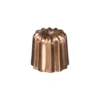
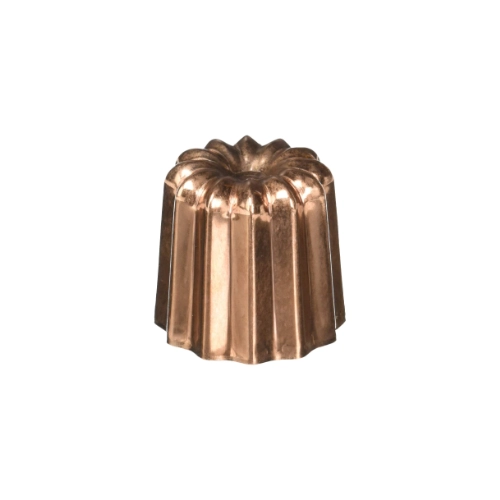
The distinctive fluted shape of the canelé de bordeaux comes from the copper moulds that have been used since the beginning. Copper conducts heat exceptionally well, creating that dark, almost caramelised shell whilst keeping the inside soft and custardy. Traditional canelé makers coat their copper moulds with a mixture of beeswax and butter before baking, which contributes to the shell’s distinctive colour and helps the canelés release cleanly.
I use the De Buyer canelé moulds for this canneles bordelais recipe. The heavy gauge construction distributes heat evenly and produces the same direct, intense heat that copper provides, giving you that properly dark, caramelised exterior without burning. The shape is exact, the traditional fluted cylinder that gives the caneles cake its characteristic ridged sides and flat base. They release cleanly once the canelés have cooled slightly, which matters because a canelé that tears on unmoulding loses the shell you spent the baking time developing. Treat the moulds properly, season them before first use, and they will last for years.
Rum and vanilla
The rum and vanilla in the batter are not decorative flavourings. They are structural parts of the recipe. The rum adds depth and a slight bitterness that balances the sweetness of the caramelised shell. The vanilla infuses the custard interior with a fragrance that makes the soft centre worth getting to. Both need to be present in the right quantity. Too little rum and the canelés taste flat. Too much and the alcohol interferes with the texture.
Good vanilla is worth using here. A proper vanilla pod split and scraped into the warm milk gives you a flavour that extract approximates but never quite matches.
In Bordeaux
In Bordeaux, canelés are everywhere. Every pâtisserie makes them. They are eaten with coffee, as an afternoon treat, or as a small dessert after a meal. Not fancy. Just brilliant. The best ones in any pâtisserie are judged by locals on exactly the same three criteria the Confrérie uses: shell colour, centre texture, and flavour. It is a simple cake held to a high standard, which is very Bordeaux and very French.
Share your feedback and spread the love!
If you try this recipe, I’d love to hear how it turns out! Leave a ★★★★★ rating and your thoughts in the comments, it helps fellow French foodies discover this recipe too. Snap a photo and tag me @obviously.french on Instagram if you’re sharing your bake or cooking online. Don’t forget to save this recipe to Pinterest so you’ll always have it handy for your next French-inspired meal!
Disclosure: Just so you know, this post contains sponsored content and/or affiliate links, If you make a purchase through these links, I may receive a small commission. Doesn’t cost you anything extra. I only link to things that are actually worth your time. All opinions are my own!