Easter recipes in France start with two things: eggs and asparagus
Easter recipes in France have always been built around what the season gives you. Two ingredients above all others define the Pâques table: eggs, which have been at the heart of Easter since long before Christianity, and asparagus, which comes into season at exactly the right moment every spring. Here is why both matter, and why they are all over this collection.
Why do we eat eggs at Easter?
Eggs were a symbol of resurrection in Christianity. In the Middle Ages, they painted those eggs red to represent the blood of Christ. But, let’s be honest, Christianity isn’t the first religion on earth, way before that, eggs were already adopted as a symbol of spring and fertility across many other cultures. Ancient peoples in Persia, Egypt, and Rome exchanged eggs as gifts during spring festivals to celebrate the renewal of life after winter.
Asparagus: the vegetable Louis XIV could not get enough of
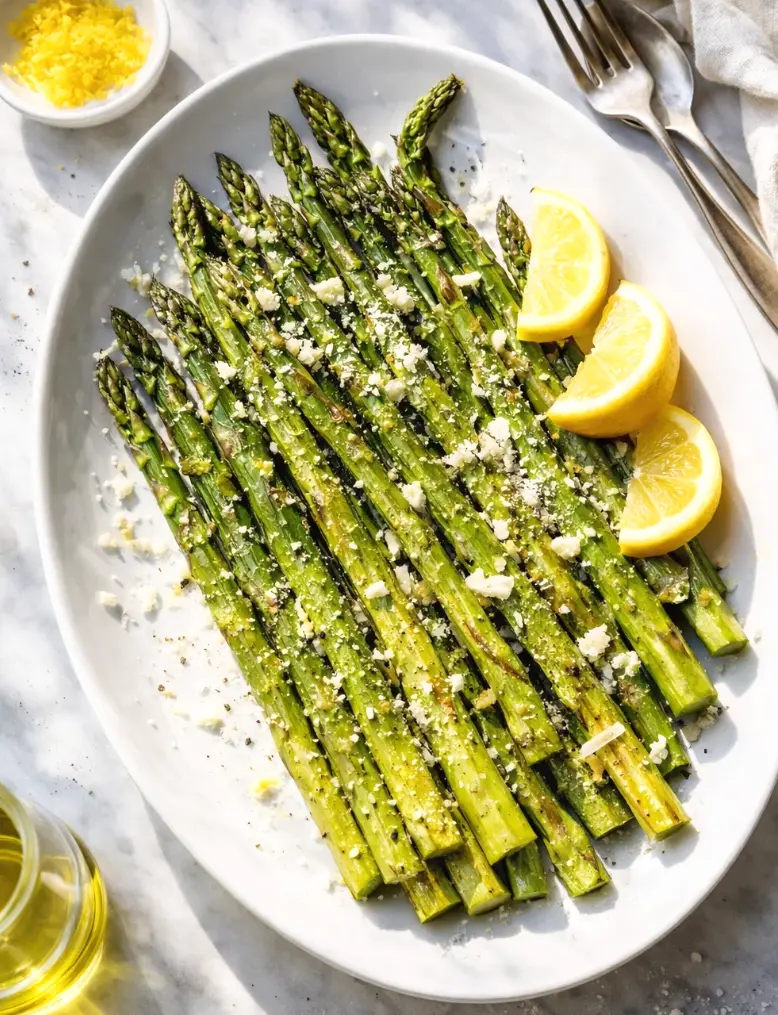
And then there is the beautiful asparagus. As this vegetable comes to season around Easter, it was a logical choice. Asparagus is harvested from March to June, which means Easter falls right at the start of the season. White, green, or purple, it works hot or cold, in a starter or alongside a main, they are all welcomed. Its flavour is subtly nutty, and after a winter of heavy food, it is exactly what the tables needs.
The funny thing is, King Louis XIV was reportedly obsessed with asparagus. He commissioned the “Potager du Roi” (the King’s Kitchen Garden) at Versailles and had it designed by the brilliant horticulturalist Jean-Baptiste de La Quintinie. And he wanted asparagus all year-round. La Quintinie therefore has to invent cultivation techniques that enabled him to offer Louis XIV’s favourite vegetables out of season. He managed to produce asparagus and head lettuce as early as December and January, which was considered a miracle in those days. So in a very real sense, Louis XIV is responsible for asparagus becoming the beloved, prestigious spring vegetable it is in France today, including its place on the Easter table! Do if you are wondering why asparagus appears more than once in this collection, that is your answer.
What Pâques actually means
The French word “Pâques” comes from the Hebrew “Pessah”, meaning “passing way”, the same root as Passover. Easter is the most important celebration in the French Catholic calendar, marking the resurrection of Christ and the end of Lent. Easter Monday, Lundi de Pâques, is a public holiday in France. Most shop close and families gather, and you see the supermarkets full of chocolate eggs, salmon and trout.
Another interesting thing is that traditionally in France, we don’t talk about rabbit but instead church bells for Easter. The tradition goes back to the 7th century, when the Catholic church forbade the ringing of bells between Good Friday and Easter Sunday as a sign of mourning. The story told to children was that the bells grew wings and flew to Rome to be blessed by the Pope, collecting chocolate along the way. On Sunday morning, when the bells ring out again, someone shouts “les cloches sont passées!” and the egg hunt begins. That is why French chocolate shops fill up with bell-shaped chocolates every April, although there are also rabbits, eggs, hens, and fish available.
What is in this collection
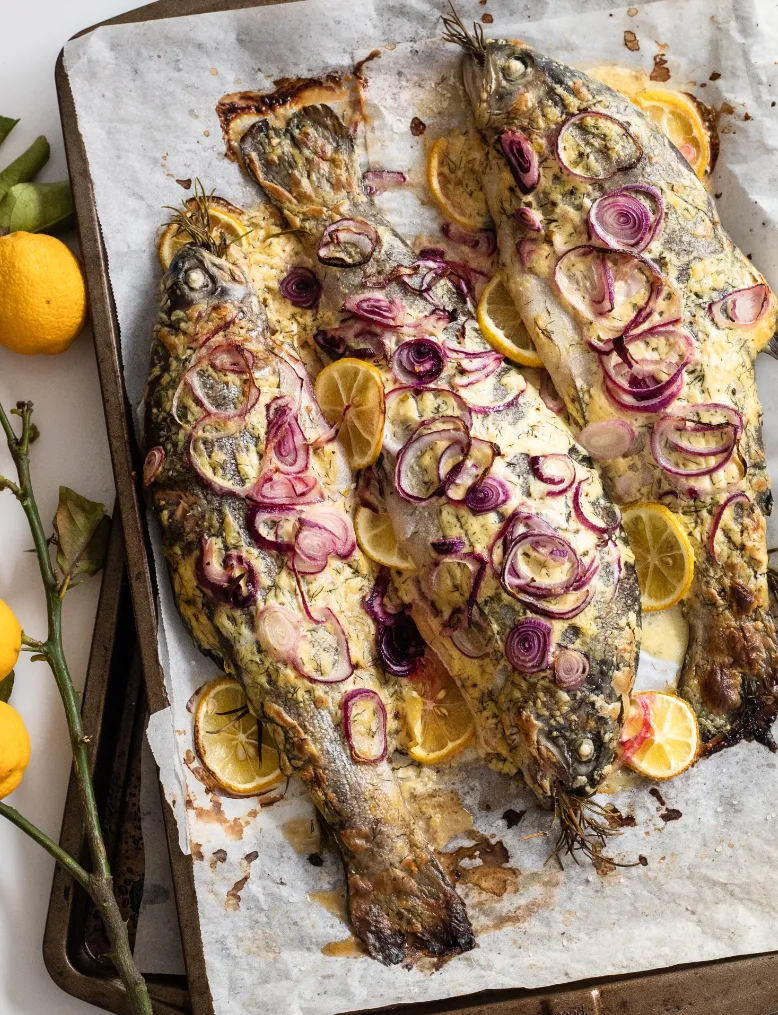
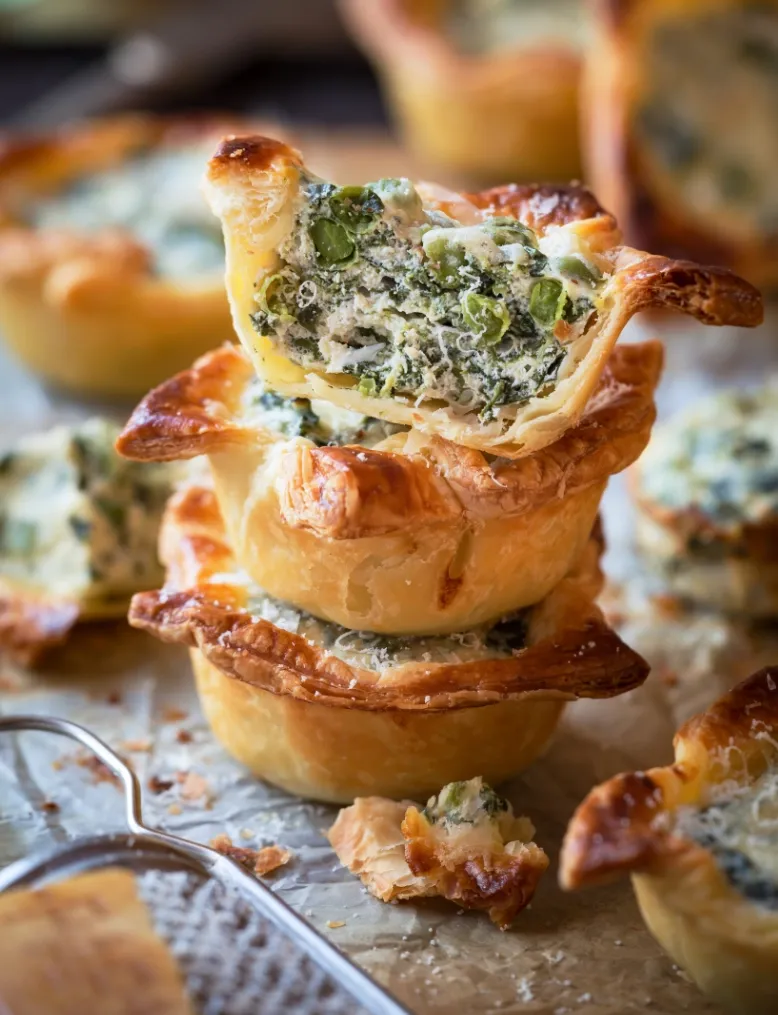
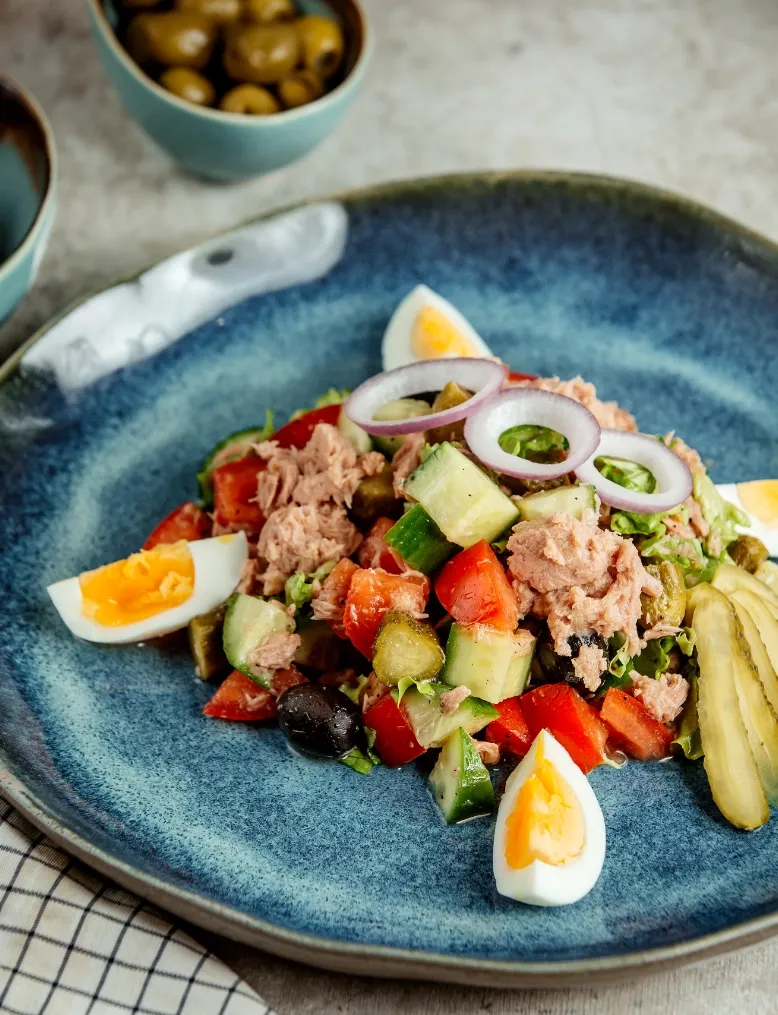
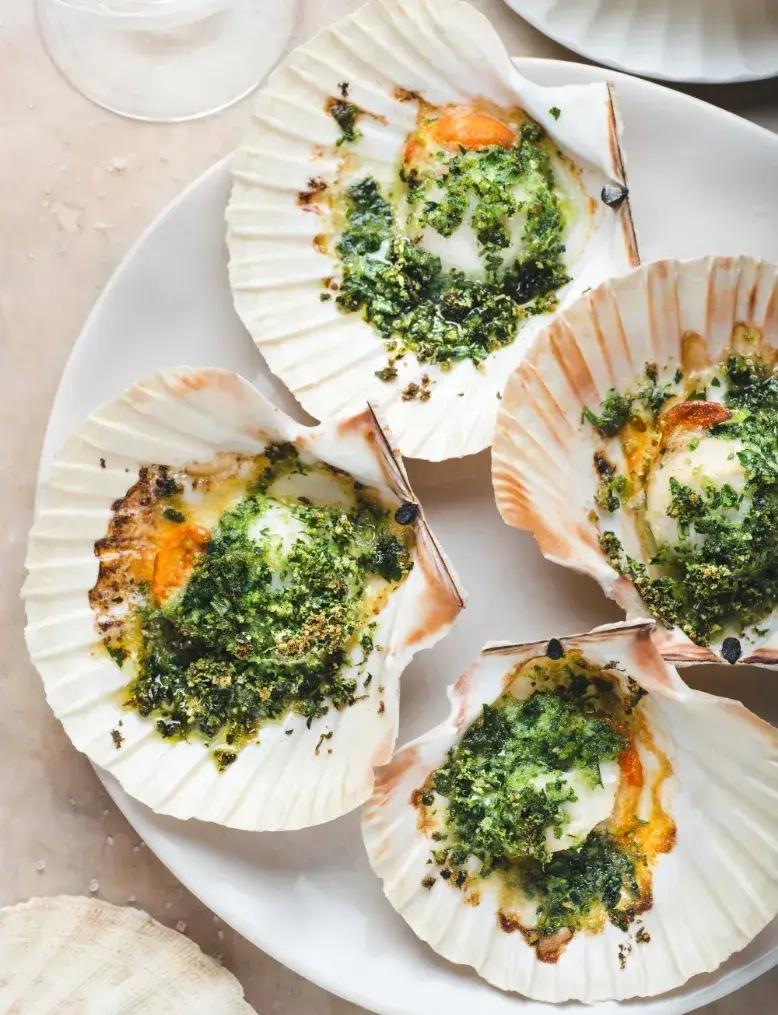
These Easter recipes cover every part of the meal. Easter appetizers to start, a proper Easter dinner built around fish and spring vegetables, Easter brunch ideas for a more relaxed gathering, and Easter desserts worth saving room for.
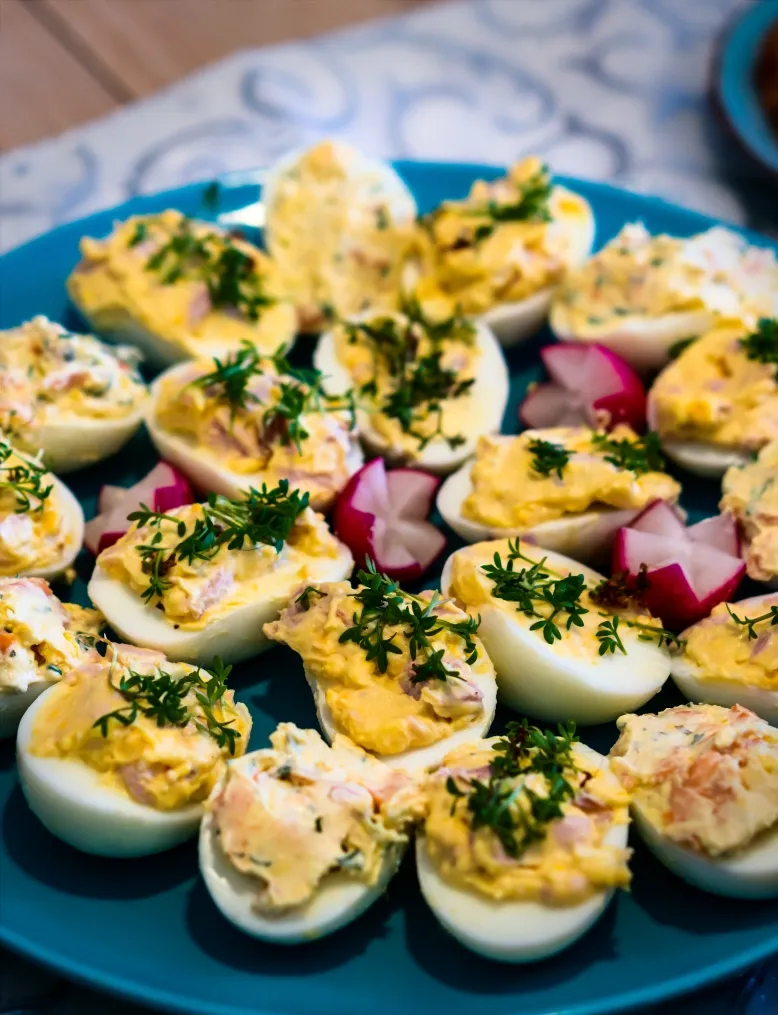
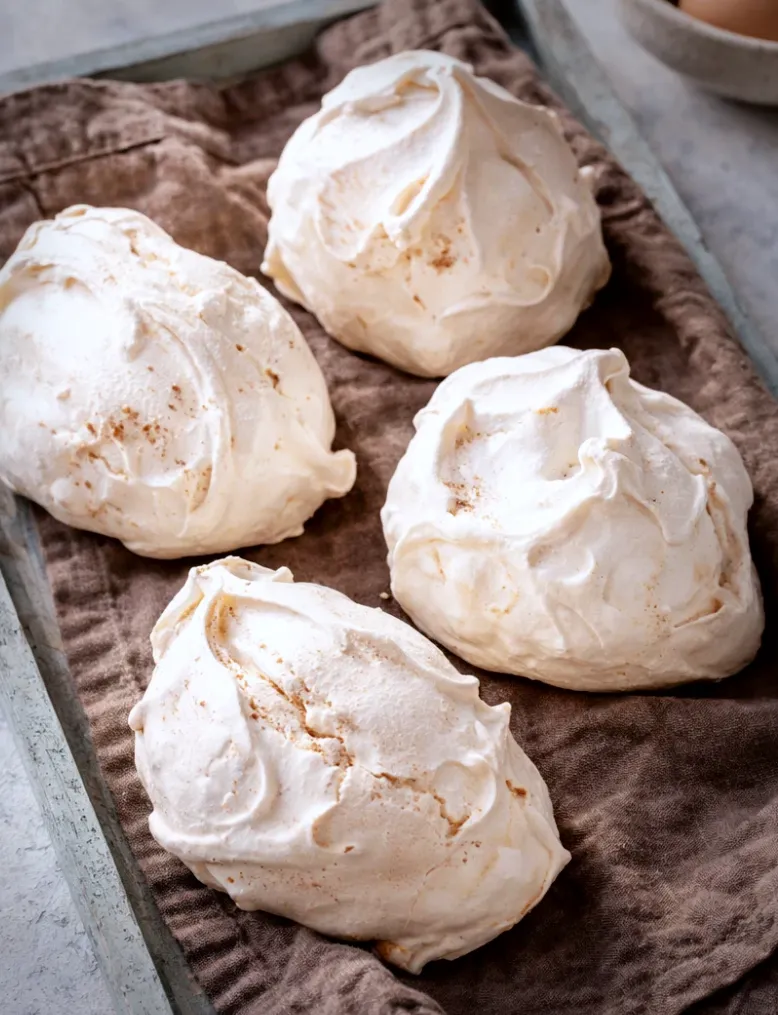
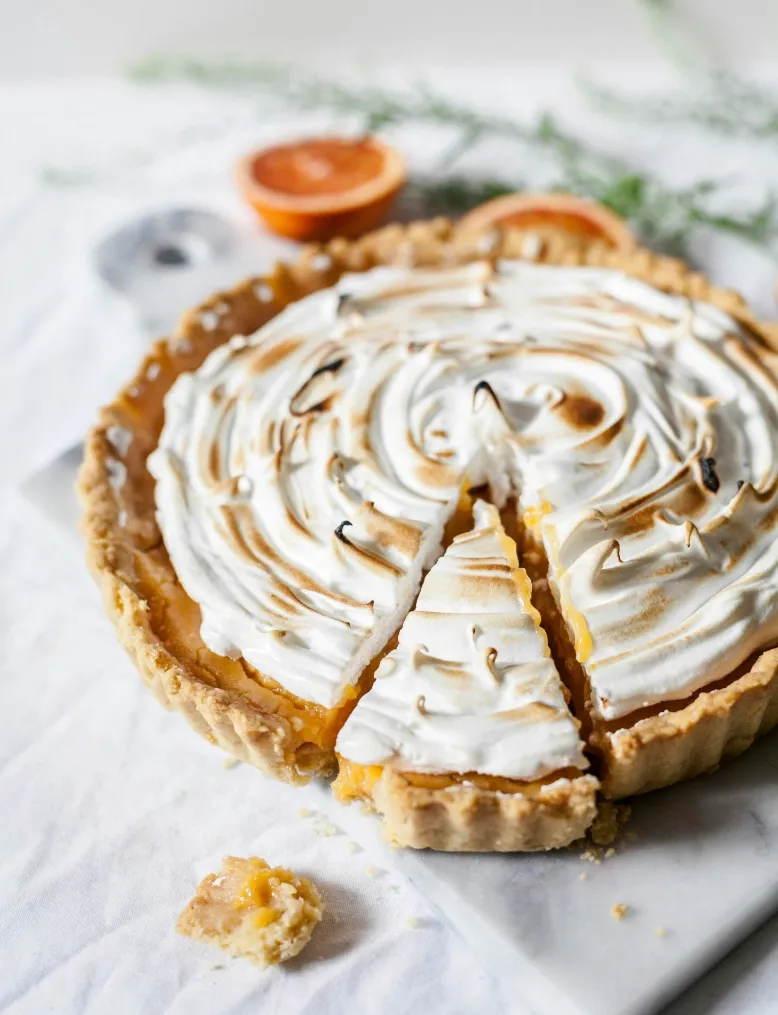
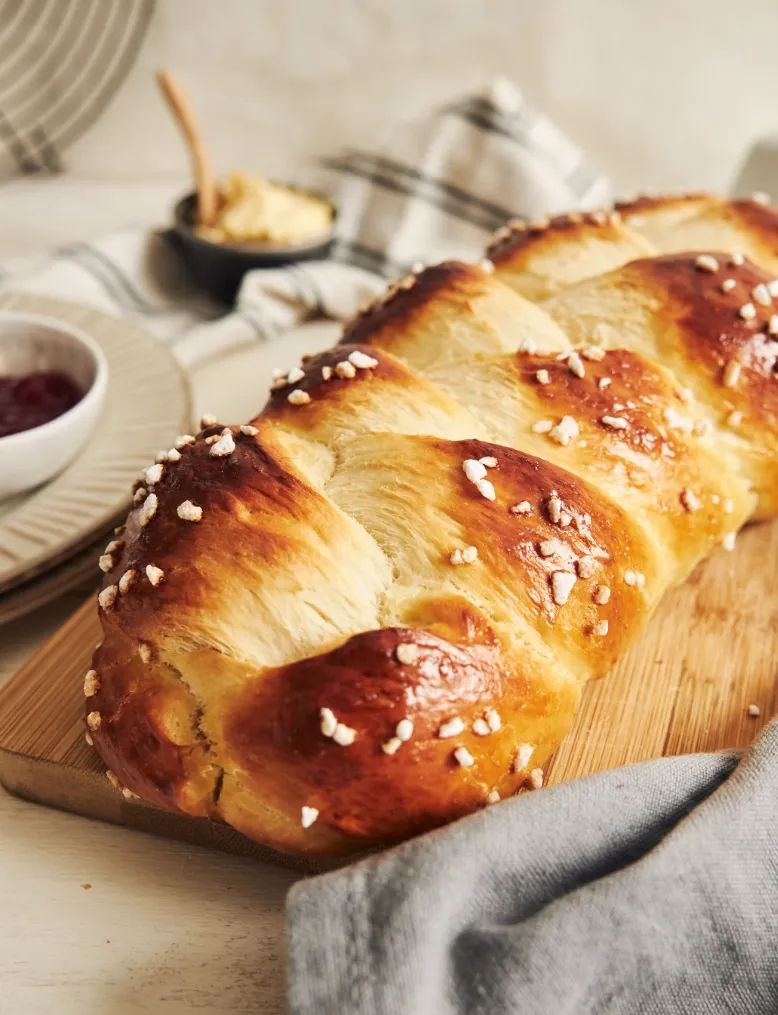
Several can be made in advance. The brioche dough is better made the night before. The meringues keep in a tin for three days. The tarte au citron is genuinely better the following day. The mimosa eggs can be assembled a few hours ahead and kept in the fridge.



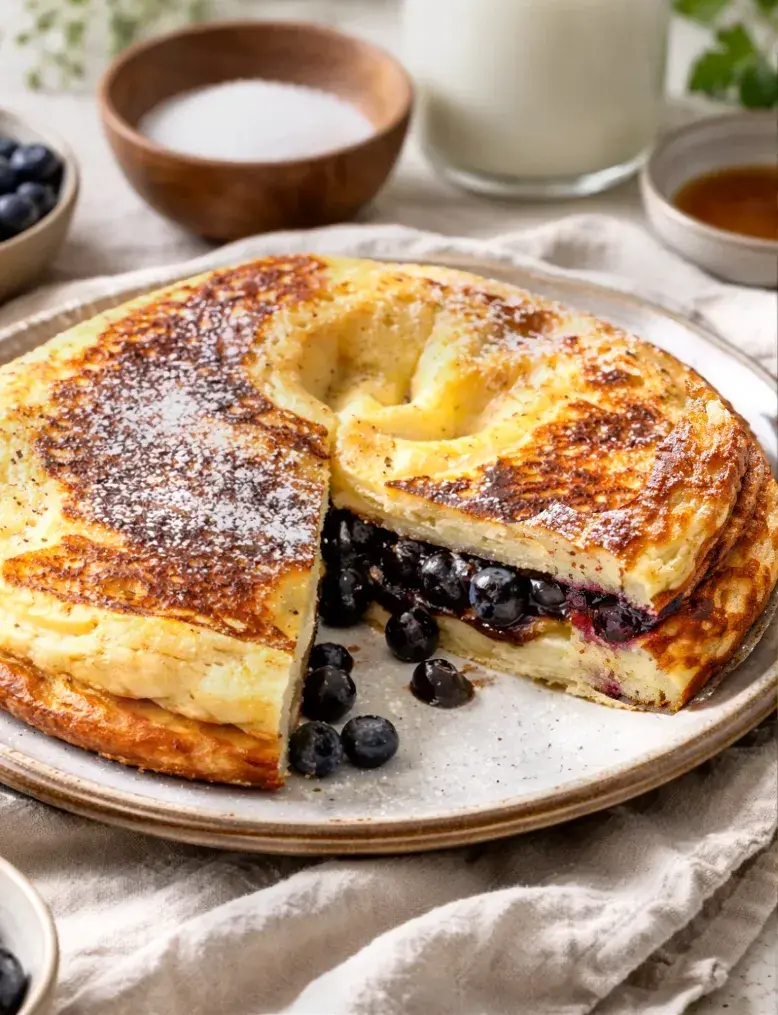
How to plan your Easter menu without overcomplicating it
The French approach to a long Easter lunch is to do as much as possible before the day itself. These Easter recipes are built with that in mind.
For a full Easter dinner
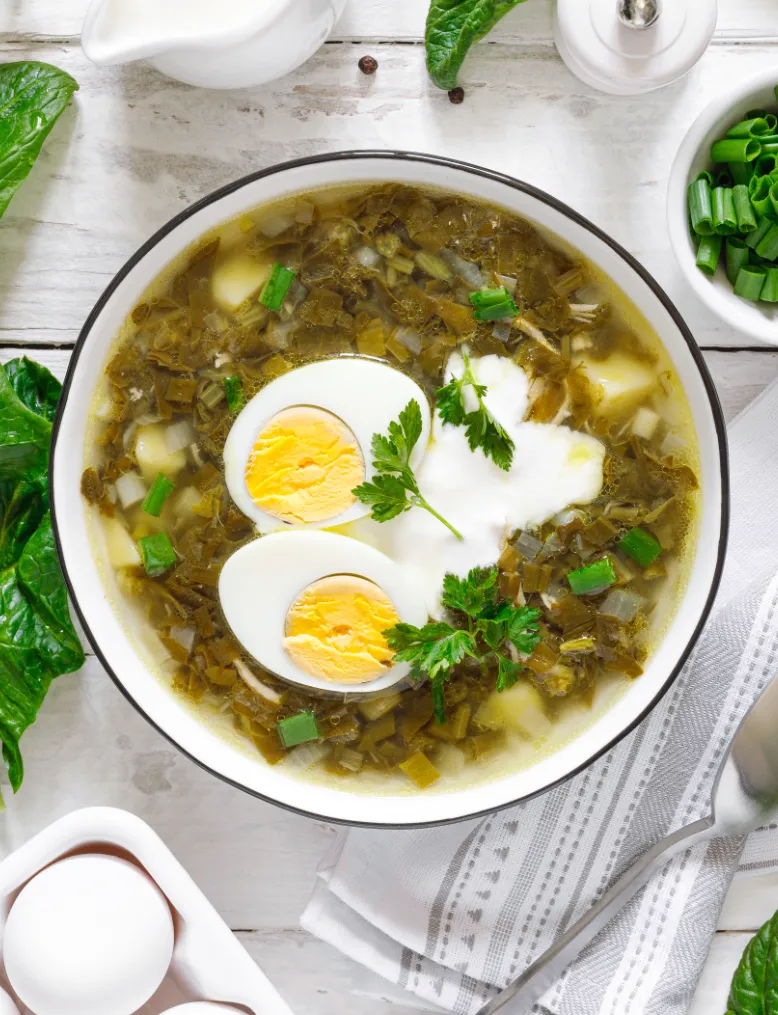
Start with the sorrel soup. Follow with one of the fish dishes and the baked asparagus alongside. Finish with the strawberry tart or tarte au citron. Put the mimosa eggs out while people arrive.
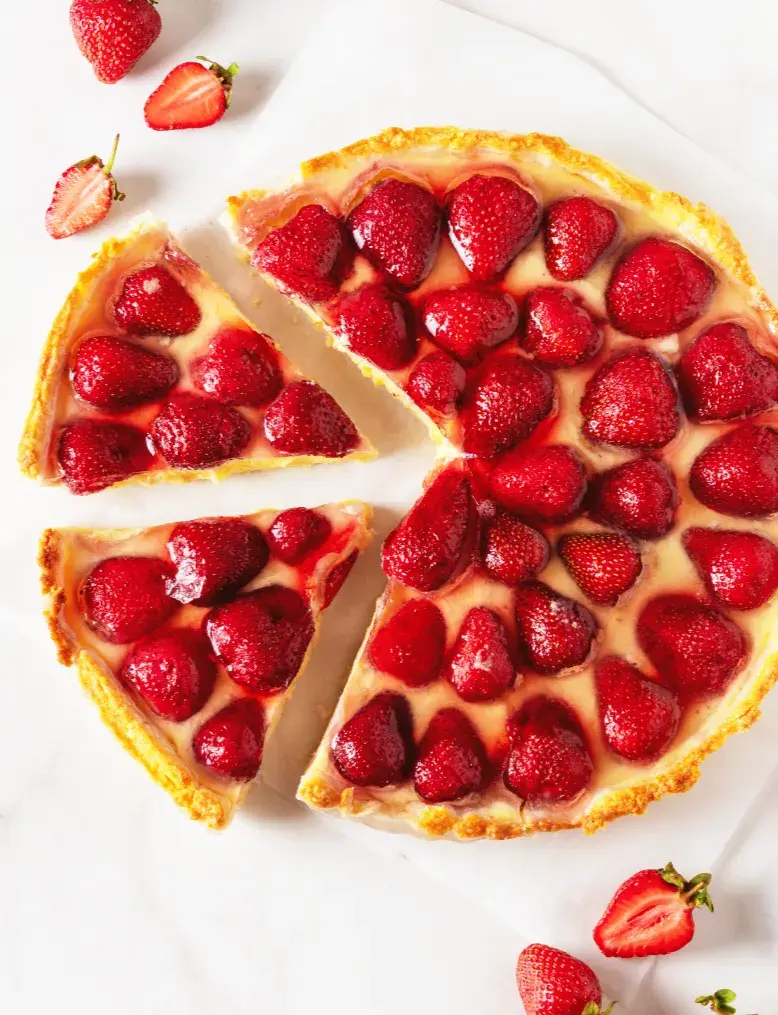
The sorrel soup reheats well. The tarte au citron should be made the day before anyway. The strawberry tart pastry case and the crème pâtissière can both be prepared in advance and assembled on the day. Most of the work is done before anyone arrives.

For Easter brunch ideas
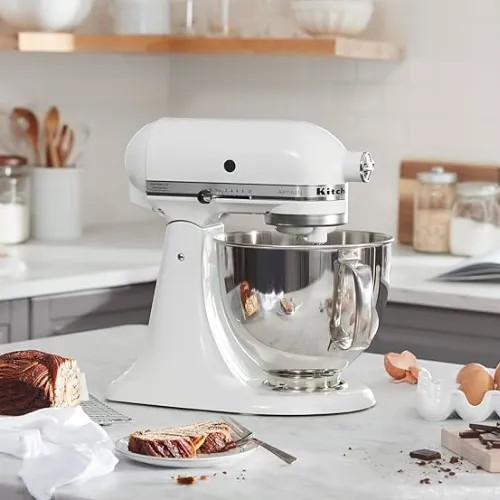
Make the brioche dough the night before and bake it in the morning. Both the brioche and the meringues are much easier with a stand mixer, I recommend using the KitchenAid. It’s an investment, but you won’t regret it for many recipes. Make an asparagus omelette with goat’s cheese, put meringues out with cream and strawberries, and let people help themselves. Success guarantee.
For Easter appetizers
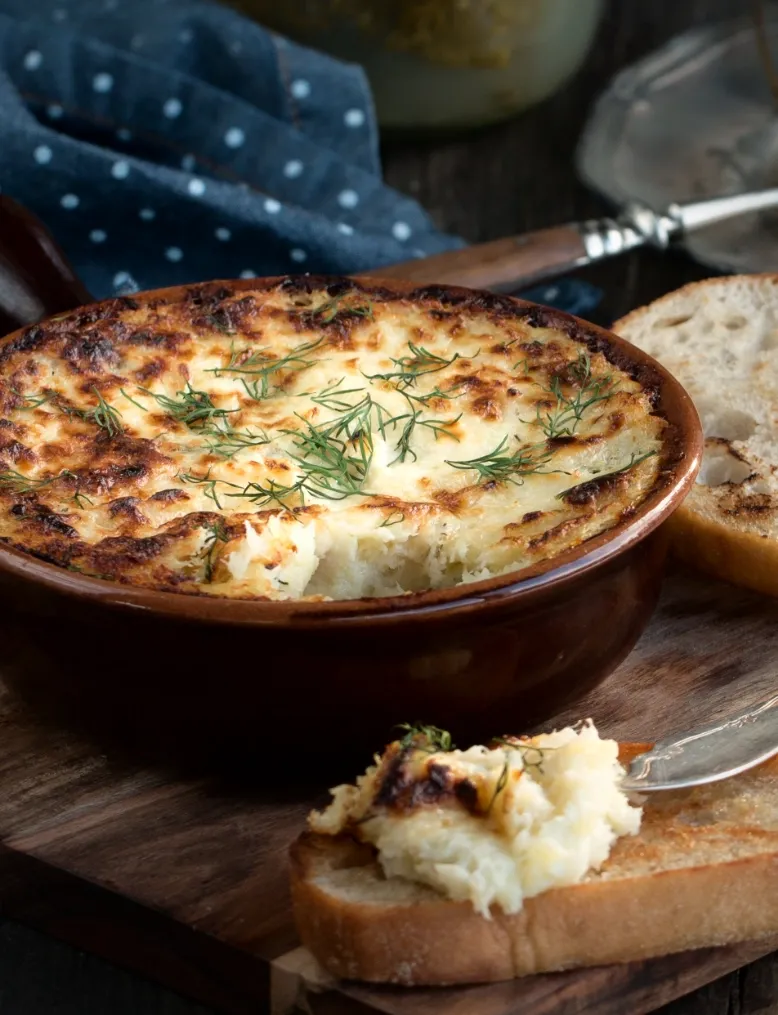
The mimosa eggs are worth making regardless of what else is on the table. They look more involved than they are. The brandade de morue also works well here, served with toast, and can be prepared and reheated in advance.
The Easter desserts question
If you can only make one, make the strawberry tart. Make it the day before, keep it in the fridge, and bring it out when everyone thinks they are done eating. It is always the one people ask about on the way home.
Happy Easter. Spring is finally here, and these Easter recipes are the best way I know to celebrate it.
Which of these Easter recipes are you planning to make? Drop a comment below. I would love to know what ends up on your table this year.